

The Northern Crusades: Knights, Castles, and New Lands!
Images
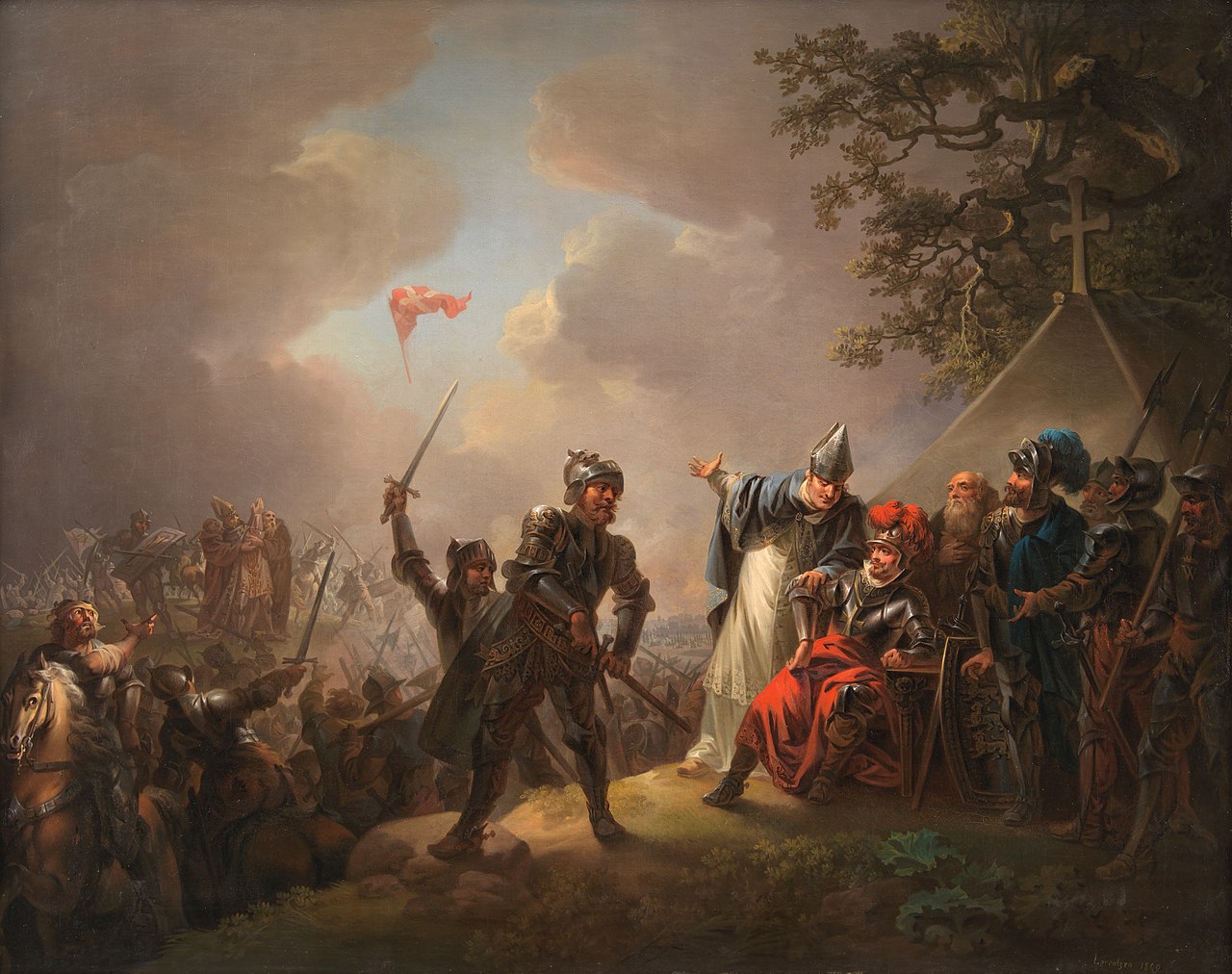
Northern Crusades
The Genesis of a Northern Crusade
While the concept of Crusades is often synonymous with the Holy Land, the Northern Crusades represent a distinct, albeit interconnected, phenomenon that unfolded primarily from the late 12th to the early 15th centuries. These campaigns were initiated and sustained by various powers, including the papacy, Scandinavian kingdoms (Denmark and Sweden), and German principalities, with the primary objective of subjugating and converting the pagan Finnic, Baltic, and Slavic peoples inhabiting the eastern Baltic littoral.
Unlike the Crusades to the Levant, which were primarily aimed at reclaiming Christian holy sites from Muslim rule, the Northern Crusades were characterized by territorial expansion, the establishment of new ecclesiastical and political structures, and the imposition of Western European feudalism and Christianity onto indigenous societies. The call for these crusades was often amplified by papal bulls, framing the campaigns as a righteous endeavor to bring salvation to the unconverted and secure Christendom's northern frontiers.
Key Actors and Their Motivations
The Northern Crusades involved a complex interplay of actors with diverse motivations. The Teutonic Knights, a military order originally founded for service in the Holy Land, became a dominant force after relocating to Prussia in the 13th century. Their ambition was to establish a powerful, independent monastic state.
Alongside them, the Livonian Brothers of the Sword (later merged with the Teutonic Knights) pursued similar goals in modern-day Latvia and Estonia. Scandinavian monarchs, particularly from Denmark, sought to expand their influence and control over trade routes. Local bishops and missionaries played a crucial role in legitimizing the campaigns religiously and establishing church structures.
The indigenous populations, including the Prussians, Lithuanians, Latvians, and Estonians, offered fierce and prolonged resistance, defending their ancestral lands and spiritual traditions against overwhelming military and political pressure. This resistance often shaped the brutal nature of the conflicts.
Methods of Conquest and Consolidation
The crusaders employed a systematic approach to conquest and consolidation. They established a network of formidable stone castles and fortified towns, such as Marienburg (Malbork) and Königsberg (Kaliningrad), which served as military bases, administrative centers, and symbols of their dominance. The introduction of Christianity was not merely a spiritual endeavor but a tool for cultural assimilation, often enforced through the suppression of native religions and the establishment of bishoprics and dioceses.
Missionaries and clergy worked alongside knights and settlers to evangelize the populace, though conversion was frequently a consequence of military subjugation rather than genuine conviction. The economic dimension was also significant, with the development of new agricultural lands and the integration of the Baltic region into burgeoning European trade networks, particularly through the Hanseatic League.
Enduring Legacies
The Northern Crusades left an indelible mark on the history and identity of Eastern and Northern Europe. They were instrumental in the formation of states like Prussia and the expansion of Danish and Swedish influence. The religious landscape of the Baltic region was irrevocably altered, with the establishment of Lutheranism in many areas following the Reformation.
The legacy of these crusades is complex and often contested, viewed differently by various national histories. For some, they represent the introduction of civilization and Christianity; for others, they are remembered as periods of brutal conquest and oppression. Understanding the Northern Crusades is essential for comprehending the historical trajectories of nations like Poland, Lithuania, Latvia, Estonia, and Germany, and the enduring impact of medieval religious and political ambitions on the modern world.
Historiographical Debates and Modern Relevance
The study of the Northern Crusades continues to evolve, with ongoing scholarly debates concerning the precise motivations, the extent of indigenous agency, and the long-term consequences. Historians grapple with the tension between the religious rhetoric of the crusades and the evident political and economic ambitions of the participants. The concept of 'crusade' itself is examined, questioning whether these campaigns fit the same mold as those in the Levant or represented a unique regional phenomenon.
Modern relevance lies in understanding the historical roots of ethnic and religious tensions in the region, the complex processes of state formation, and the lasting impact of cultural encounters. The Northern Crusades serve as a potent case study in how religious ideology can be intertwined with imperialistic expansion and the profound, often violent, transformations that result.
Go deeper
Frequently Asked Questions
What were the Northern Crusades?+
Who were the Teutonic Knights?+
Why did the crusaders build castles like Marienburg and Königsberg?+
Who lived in the Baltic region before the crusades?+
How did the Northern Crusades change the Baltic region?+
Based on content from Wikipedia · Licensed under CC BY-SA 4.0