

The Amazing Levant!
Images
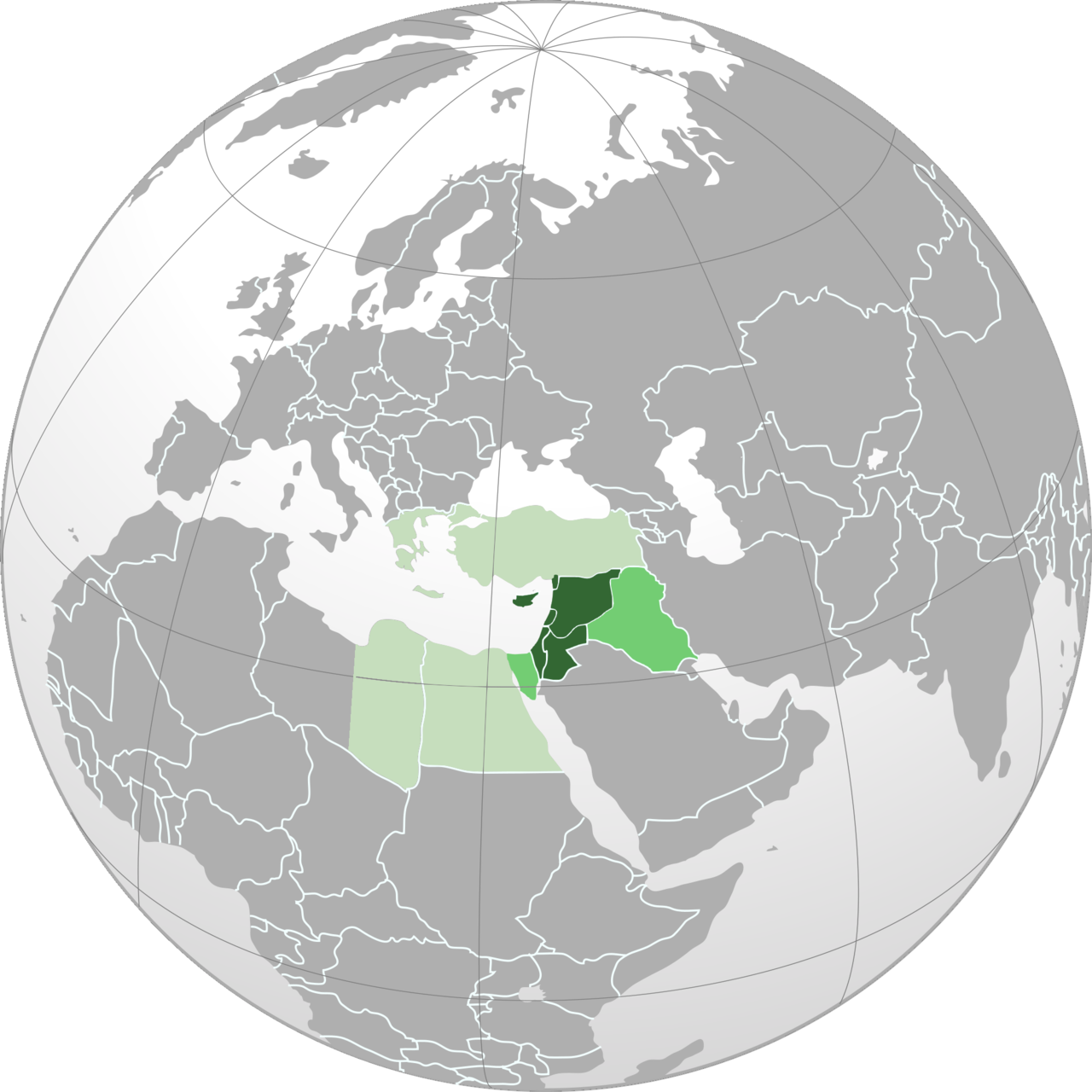
Levant
Geopolitical Geography
The Levant, a subregion of Western Asia situated along the Eastern Mediterranean coast, is defined by its critical geographical position. It functions as a natural land bridge, historically and geologically connecting Northeast Africa, Western Asia, and Southeastern Europe. This unique role as a nexus point has made it a perpetual crossroads for human migration, trade, and conflict throughout history.
Geologically, the region is characterized by its location on the northwestern edge of the Arabian Plate, influencing its topography and seismic activity. The climate is predominantly Mediterranean, fostering distinct ecosystems and agricultural practices, particularly the cultivation of olives, grapes, and grains, which have been staples for millennia. Its varied terrain, from coastal plains to mountainous interiors and arid desert fringes, has supported diverse human settlements and economic activities, further cementing its importance as a pivotal region in global geography.
Stratified Histories
The historical narrative of the Levant is exceptionally deep and complex, marked by successive waves of human settlement, conquest, and cultural synthesis. Archaeological evidence points to some of the earliest human civilizations emerging in this region. Its position made it a coveted territory for numerous empires, including the Egyptians, Hittites, Assyrians, Babylonians, Persians, Greeks, Romans, Byzantines, and later the Islamic caliphates and the Ottoman Empire.
Each successive power left indelible imprints on the region's architecture, administrative systems, and cultural practices. The Levant was also a crucial conduit for the spread of major religions like Judaism, Christianity, and Islam, and played a significant role in the transmission of knowledge and technology between East and West, particularly during the Islamic Golden Age. The very concept of the 'Levant' as a distinct region evolved over centuries, reflecting shifting geopolitical and economic landscapes.
Cultural Tapestry
The cultural landscape of the Levant is a rich amalgamation of traditions shaped by its diverse inhabitants and historical interactions. The primary languages are Arabic and Hebrew, representing the dominant linguistic and cultural groups. However, a multitude of other languages, including Aramaic, Greek, Armenian, and Turkish, are spoken or have left their linguistic mark due to historical diasporas and trade.
Levantine cuisine is celebrated globally for its emphasis on fresh, seasonal ingredients, complex spice blends, and communal dining traditions. Staples like olive oil, legumes, and a wide array of vegetables form the basis of iconic dishes such as hummus, tabbouleh, and various grilled meats. Family and community ties are paramount, influencing social structures, customs, and hospitality.
The term 'Levantine' itself has evolved, sometimes referring to people of mixed European and Eastern heritage who lived in the region, highlighting the historical intermingling of peoples.
Economic Arteries
Historically, the Levant's economy has been intrinsically linked to its role as a vital trade corridor. Its strategic location facilitated the exchange of goods between Europe, Asia, and Africa, making cities like Tyre, Sidon, and later ports like Alexandria and Antioch, crucial commercial hubs. Agriculture has always been a cornerstone, with the fertile lands and Mediterranean climate supporting the cultivation of olives, grapes, grains, and fruits, which were often exported.
In modern times, while agriculture remains important, the economies of Levantine countries are diverse. They include tourism, driven by the region's rich historical and religious sites, as well as industries like manufacturing, technology, and services. The legacy of trade continues, with the region playing a role in contemporary global commerce, though often influenced by its complex political landscape.
The Etymology of 'Levant'
The term 'Levant' originates from the Italian word 'levante,' meaning 'rising,' specifically referring to the direction of the sunrise – the East. Its usage became prominent in medieval Italian maritime commerce, denoting the lands to the east of Venice, encompassing areas from Greece and Anatolia down to Egypt and Syria-Palestine. This term was adopted into French and subsequently English by the 15th century.
Initially, it broadly signified the Eastern Mediterranean trading sphere. Over time, its geographical scope narrowed, often becoming associated with the Ottoman Empire's territories in the region. Post-World War I, the term 'Levant States' was used for the French mandates of Syria and Lebanon, further solidifying its association with these modern nations.
While some consider the term archaic for contemporary geography, it remains influential in historical, archaeological, and cultural contexts, often used to describe the broader Syro-Palestinian cultural area.
Go deeper
Frequently Asked Questions
What is the Levant and why is it important?+
Why do people grow olives and grapes in the Levant?+
How has the Levant helped spread religions?+
What languages are spoken in the Levant?+
What are some popular foods from the Levant?+
Based on content from Wikipedia · Licensed under CC BY-SA 4.0