

Latvia
Images
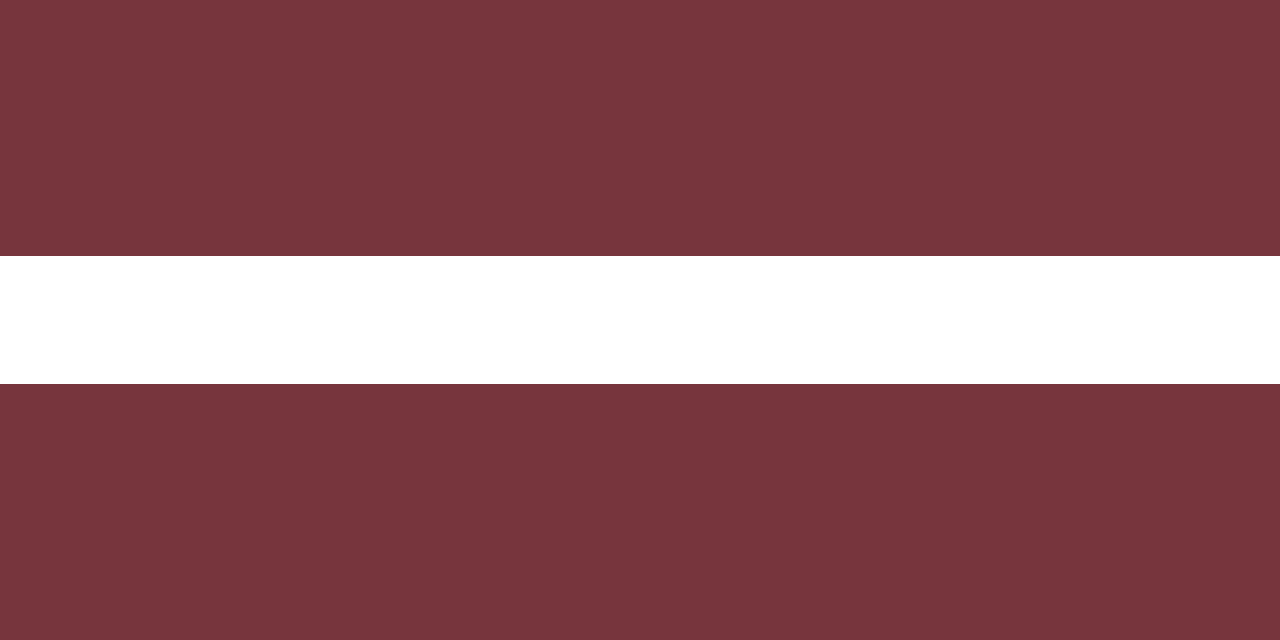
Latvia
Opens Google Maps in new tab
Geopolitical Crossroads
Latvia occupies a strategic position in the Baltic region of Northern Europe, serving as a vital link between Scandinavia, Eastern Europe, and Central Europe. It is one of the three sovereign Baltic states, bordered by Estonia to the north and Lithuania to the south. Its eastern frontier is shared with Russia, while its southeastern border meets Belarus.
To the west, Latvia's maritime border with Sweden underscores its connection to the Nordic countries. Spanning 64,589 square kilometers, Latvia's geography is dominated by its extensive natural landscapes. Over half of the country is blanketed in forests, contributing significantly to its biodiversity and environmental appeal.
This verdant expanse is interspersed with numerous lakes, rivers, and a substantial coastline along the Baltic Sea, which features sandy beaches and coastal wetlands. Latvia experiences a temperate seasonal climate, characterized by distinct summers and winters, influencing its agricultural cycles and tourism.
Echoes of Empires
Latvia's path to nationhood is marked by centuries of foreign dominion and a persistent struggle for self-determination. From the medieval Teutonic Knights to Swedish, Polish-Lithuanian, and Russian imperial rule, the Latvian people endured periods of subjugation. The dream of independence materialized on November 18, 1918, with the establishment of the First Republic of Latvia, emerging from the ashes of World War I and the collapse of the Russian Empire.
This hard-won sovereignty was tragically curtailed at the onset of World War II. Latvia was forcibly annexed by the Soviet Union, subsequently invaded and occupied by Nazi Germany in 1941, and then re-occupied by the Soviets in 1944, leading to its incorporation as the Latvian Soviet Socialist Republic (SSR) for the next 45 years. This prolonged occupation significantly altered the country's demographic and social fabric, notably through extensive immigration of ethnic Russians.
The late 1980s witnessed the 'Singing Revolution,' a powerful, non-violent movement that galvanized the Baltic states in their quest for freedom. This peaceful uprising culminated in the restoration of Latvia's de facto and official independence on August 21, 1991, marking a profound turning point in its modern history.
The Soul of Latvia
The Latvian people, the titular nation, constitute approximately 65.5% of the country's population. They belong to the ethnolinguistic group of the Balts and speak Latvian, a language that has survived centuries of foreign influence and remains a cornerstone of national identity. Latvian is one of only two surviving Baltic languages, making it linguistically significant.
The linguistic landscape is further shaped by the substantial Russian minority, comprising nearly a quarter of the population, with Russian being the native tongue for 37.7% of residents. This linguistic diversity reflects Latvia's complex historical interactions. Latvian culture is rich and deeply rooted in folk traditions, music, and a strong connection to nature.
The Singing Revolution itself is a testament to the power of cultural expression in uniting a nation and asserting its identity. Contemporary Latvian culture continues to evolve, blending its ancient heritage with modern influences, evident in its thriving arts, literature, and festivals.
Riga
Riga, the capital and largest city of Latvia, is a vibrant metropolis that seamlessly blends historical significance with contemporary urban life. Its Old Town, a UNESCO World Heritage site, is renowned for its exceptionally well-preserved medieval architecture, including Gothic churches and Hanseatic-era warehouses, alongside a stunning collection of Art Nouveau buildings that showcase intricate facades and decorative artistry.
This architectural richness makes Riga a major European center for Art Nouveau. Beyond its historical allure, Riga serves as Latvia's primary economic, political, and cultural hub. It hosts key governmental institutions, major businesses, and a dynamic cultural scene encompassing theaters, museums, and galleries.
The city's strategic location on the Daugava River near the Baltic Sea has historically made it a crucial trading port, a legacy that continues to influence its modern role as a center for commerce and transportation within the Baltic region and the European Union.
Latvia's Place in the World
Latvia is recognized as a developed country with a high-income, advanced economy, ranking impressively 39th in the Human Development Index. Its economy is diverse, with key sectors including services, manufacturing, and increasingly, technology and innovation. The country is a member of numerous international organizations, underscoring its integration into the global community.
These include the European Union (EU), the Eurozone, NATO, the United Nations, the Council of the Baltic Sea States, and the Organisation for Economic Co-operation and Development (OECD). Latvia operates as a democratic unitary parliamentary republic, with a government structure designed to ensure representation and accountability. Its political system emphasizes the rule of law and democratic principles, reflecting its commitment to stability and progress following its re-establishment of independence.
Membership in the EU and NATO provides Latvia with security and economic cooperation, further solidifying its position as a modern European nation.
Go deeper
Based on content from Wikipedia · Licensed under CC BY-SA 4.0