

Denmark
Images
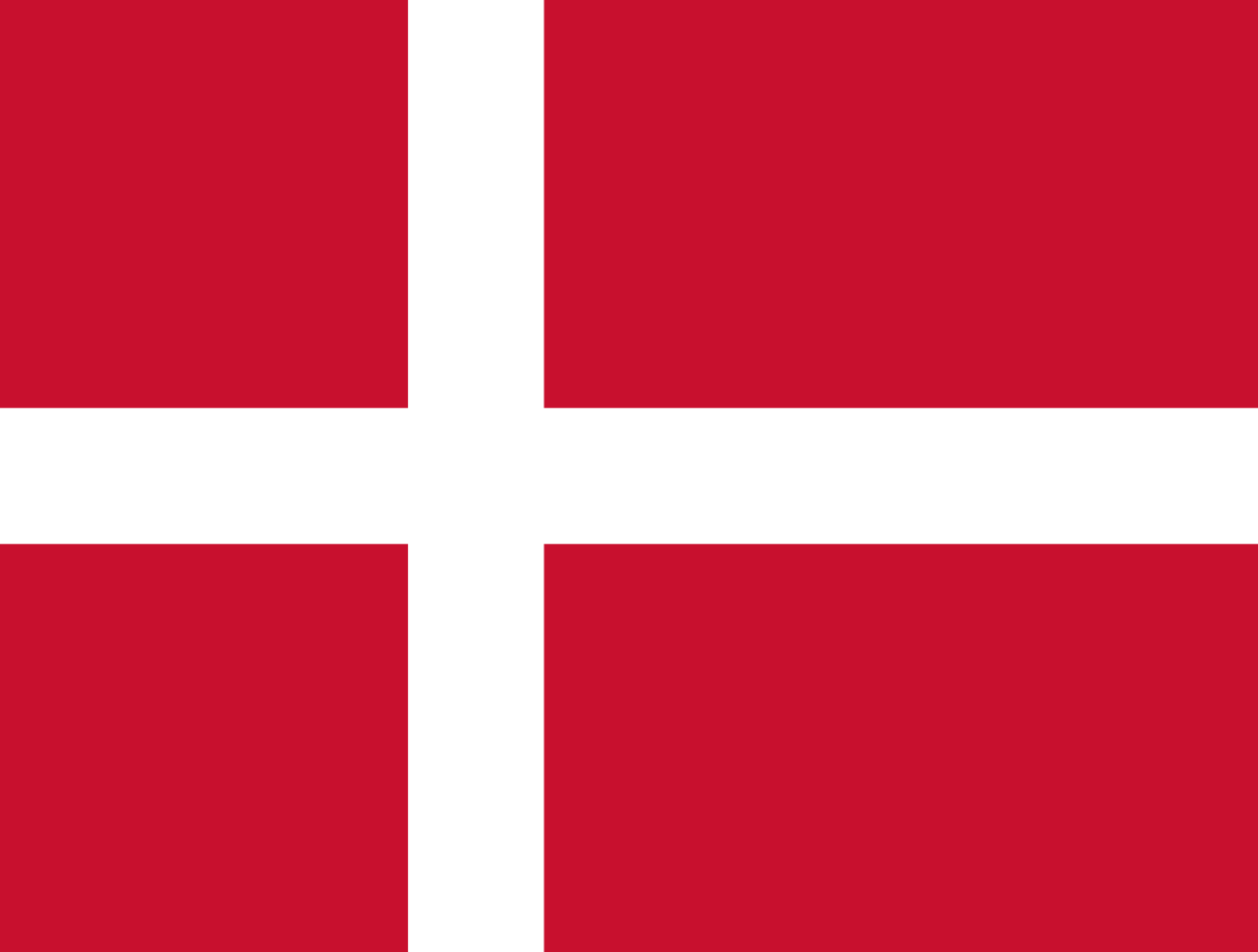
Denmark


Opens Google Maps in new tab
Geopolitical Landscape
Metropolitan Denmark, the core of the Kingdom of Denmark, is a fascinating geographical entity. It comprises the Jutland peninsula and an extensive archipelago of 406 islands, situated strategically between the North Sea and the Baltic Sea. This island-rich nation is the southernmost of the Scandinavian countries, sharing a vital land border with Germany to its south, and lying southwest of Sweden and south of Norway.
The Kingdom itself extends to the North Atlantic with the autonomous territories of the Faroe Islands and Greenland. With over 1,400 islands in total within the Realm, Denmark's geography is intrinsically linked to maritime history and trade. The landscape is characterized by its low elevation, flat, arable land, and sandy coastlines, contributing to a temperate climate.
The capital, Copenhagen, located on the island of Zealand, is a major hub for the entire Danish Realm, with approximately 40% of Denmark's population residing on this largest island alone.
Historical Trajectory
The unified Kingdom of Denmark emerged as a formidable maritime power in the 8th century AD, vying for control of the Baltic Sea. Its historical influence expanded significantly with the formation of the Kalmar Union in 1397, a powerful but ultimately transient union with Norway and Sweden. The subsequent centuries saw the Kingdom of Denmark-Norway endure territorial losses through various wars.
The 19th century brought waves of nationalism, culminating in the adoption of the Constitution of Denmark in 1849, which ended absolute monarchy and ushered in a new era of governance. Despite territorial setbacks, such as the loss of Schleswig-Holstein, Denmark focused on internal development, agricultural modernization, and fostering a stronger national identity. The 20th century saw Denmark navigate neutrality in World War I, occupation during World War II, and eventual liberation, alongside joining the European Union in 1973, albeit with significant opt-outs.
Socio-Cultural Fabric
Danish society is broadly characterized by its progressive, egalitarian, and socially liberal values. The concept of 'hygge' is central to the cultural identity, emphasizing coziness, contentment, and shared experiences, fostering strong social bonds. Denmark has also been a trailblazer in social progress, notably being the first country to legally recognize same-sex partnerships.
This commitment to social welfare and individual rights extends to its renowned education system and advanced healthcare. Culturally, Denmark has made significant global contributions, most famously through the literary works of Hans Christian Andersen, whose fairy tales continue to enchant audiences worldwide. The nation's reputation for design excellence, from furniture to architecture, further solidifies its cultural impact.
Economic Prowess
Denmark boasts a highly developed, high-income economy characterized by advanced technology, a robust social welfare system, and a strong commitment to sustainability. Industrialization in the mid-19th century laid the groundwork for its current economic strength, particularly in agricultural exports. Today, key sectors include renewable energy (especially wind power), pharmaceuticals, shipping, and design. The Danish model of a welfare state, built on early 20th-century reforms, ensures a high standard of living through comprehensive public services funded by a progressive tax system.
This economic stability and social cohesion have led to Denmark being recognized globally for its effective governance and high quality of life, often cited as a benchmark for stable social and political institutions.
Governance and International Standing
Denmark operates as a constitutional monarchy with a parliamentary democracy, emphasizing broad consensus-building in its political system. This approach to governance has earned international acclaim, with political scientist Francis Fukuyama referencing it as a near-perfect model. The Kingdom of Denmark is a unitary state, though it grants significant autonomy to its constituent entities, the Faroe Islands and Greenland, which have home rule.
Denmark is a founding member of numerous international organizations, including NATO, the Nordic Council, the OECD, the OSCE, the Council of Europe, and the United Nations, underscoring its active role in global affairs. Its membership in the Schengen Area facilitates free movement within much of Europe, while its independent currency, the krone, highlights its distinct economic policies within the European Union.
Go deeper
Frequently Asked Questions
What is Denmark made of?+
Where is Copenhagen located?+
Why is Denmark known for "hygge"?+
When did Denmark become a constitutional monarchy?+
What are some of Denmark's famous cultural contributions?+
Based on content from Wikipedia · Licensed under CC BY-SA 4.0