

Germany
Images
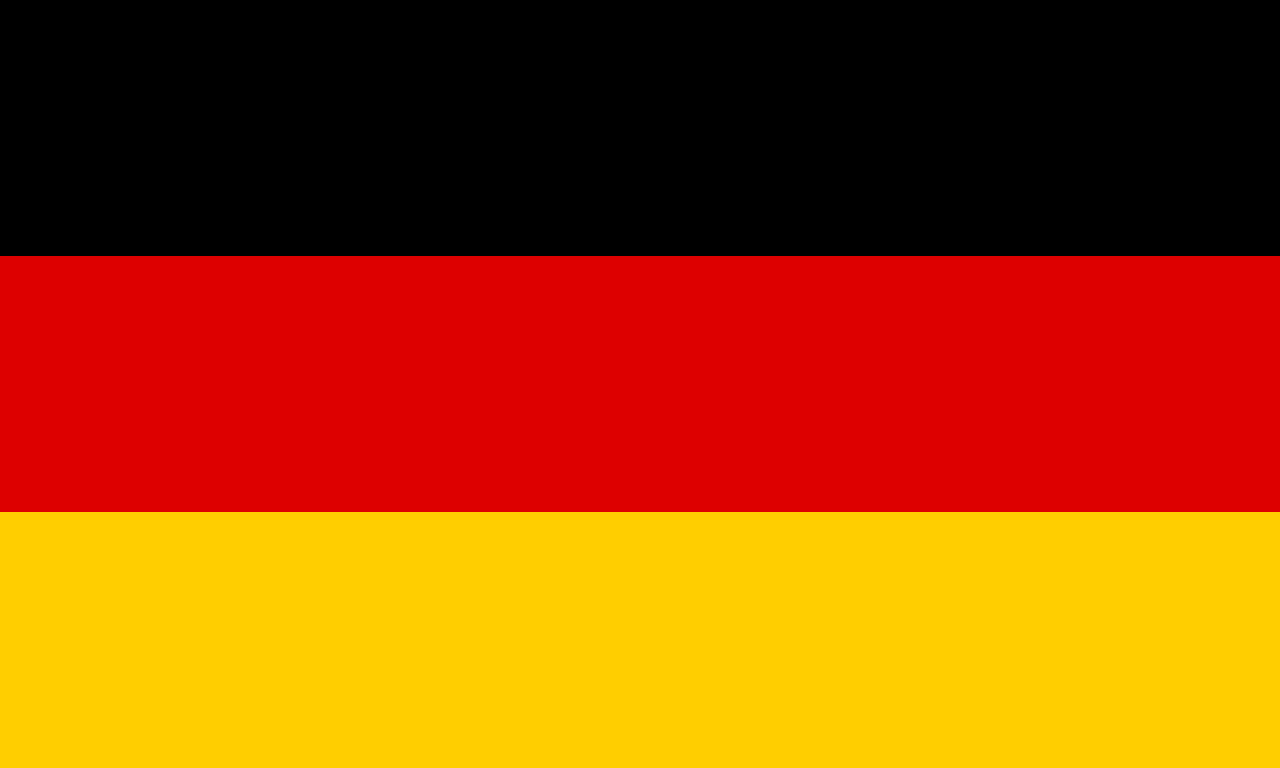
Germany
Opens Google Maps in new tab
Geopolitical Crossroads and Diverse Landscapes
Strategically positioned in Western and Central Europe, Germany's geography is a defining element of its identity and influence. Its northern frontier is defined by the Baltic and North Seas, providing crucial access to maritime trade routes and shaping its historical interactions with Scandinavian and Eastern European powers. The southern border is dramatically marked by the Alps, a formidable natural barrier that influences climate and culture.
This north-south gradient creates diverse ecosystems and climates across the country, from coastal plains to rolling hills and mountainous regions. Germany's extensive network of rivers, including the Rhine, Elbe, and Danube, has historically served as vital arteries for commerce and communication. Its location makes it a natural hub, bordering nine other European nations, fostering both cooperation and historical tension.
The capital, Berlin, is a sprawling metropolis and a symbol of reunification and cultural dynamism, while Frankfurt stands as a preeminent global financial center. The Ruhr Area, a densely populated industrial region, exemplifies the country's manufacturing prowess.
A Tumultuous Journey
The territory of modern Germany boasts a deep and complex history stretching back to the Lower Paleolithic era. Various tribes, including the Celts and Germanic peoples, inhabited the region, with the Romans eventually naming the area 'Germania.' A pivotal moment arrived in 962 with the formation of the Kingdom of Germany, which became the core of the expansive Holy Roman Empire, a political entity that profoundly shaped medieval and early modern Europe for centuries.
The 16th century witnessed the Northern German regions becoming a crucible for the Protestant Reformation, a movement that irrevocably altered the religious and political landscape of Europe. Following the dissolution of the Holy Roman Empire in 1806 and the Napoleonic Wars, the German Confederation emerged. The drive for unification culminated in 1871 with the establishment of the German Empire under Prussian leadership.
The aftermath of World War I led to the collapse of the Empire and the establishment of the Weimar Republic, a period of democratic experimentation fraught with challenges. The rise of Nazism in 1933 ushered in a totalitarian dictatorship, plunging the world into World War II and perpetrating the Holocaust. Post-war, Germany was divided into the Federal Republic of Germany (West) and the German Democratic Republic (East), each aligned with opposing Cold War blocs.
The fall of the Berlin Wall in 1989 paved the way for German reunification on October 3, 1990, marking a new era for the nation.
Cultural Tapestry and Societal Fabric
Germany is the most populous member state of the European Union, with over 82 million inhabitants, reflecting a rich demographic mosaic. The official language is German, though numerous regional dialects persist, showcasing the country's historical diversity. German culture is renowned globally for its contributions to philosophy, literature, music, and science.
Think of intellectual giants like Kant and Goethe, and composers like Bach and Beethoven. The nation's cultural output is vast, encompassing everything from classical arts to modern cinema and a thriving contemporary music scene. German society often emphasizes order, punctuality, and efficiency, values deeply ingrained in its work ethic and daily life.
However, this is balanced by a strong tradition of community engagement, environmental consciousness, and a deep appreciation for its historical heritage, evident in its countless castles, UNESCO World Heritage Sites, and preserved traditions. The country's commitment to cultural preservation is matched by its embrace of modern artistic expression.
Economic Powerhouse and Global Trade Leader
Germany boasts the largest economy in Europe by nominal GDP and is a global economic titan. It is a world leader in industrial production, particularly in the automotive sector, with iconic brands like Volkswagen, BMW, and Mercedes-Benz recognized worldwide for their engineering excellence and innovation. Beyond automobiles, Germany excels in machinery, chemicals, pharmaceuticals, and renewable energy technologies.
Its position as the world's third-largest exporter and importer underscores its deep integration into the global marketplace. This robust economic performance is driven by a highly skilled workforce, strong research and development investment, and a commitment to quality and precision. The country's economic model emphasizes social partnership between employers and employees, contributing to relative stability.
Germany's economic strength translates into significant global influence, making it a key player in international trade agreements and economic policy discussions, and a driving force behind European economic integration.
Governance and Educational Excellence
Germany operates as a federal parliamentary republic, a system designed to balance power between the national government and its sixteen constituent states (Länder). The Chancellor serves as the head of government, wielding significant executive power, while the President holds a largely ceremonial role. This federal structure ensures that regional governments have considerable autonomy in areas like education and cultural policy.
Education is highly valued and is compulsory for all children. The German education system is known for its dual approach, combining academic pathways with strong vocational training programs, preparing students for a wide range of careers. Universities are largely public and tuition-free for domestic and EU students, fostering accessibility and promoting research.
Germany's commitment to lifelong learning and its emphasis on practical skills through apprenticeships contribute to its highly skilled workforce and economic competitiveness. The country's dedication to education is a cornerstone of its societal development and global standing.
Go deeper
Frequently Asked Questions
What is Germany known for?+
Where is Germany located?+
Why is Berlin special?+
How did Germany become a single country?+
Who are some famous German people?+
Based on content from Wikipedia · Licensed under CC BY-SA 4.0