

Juan de Garay
Images
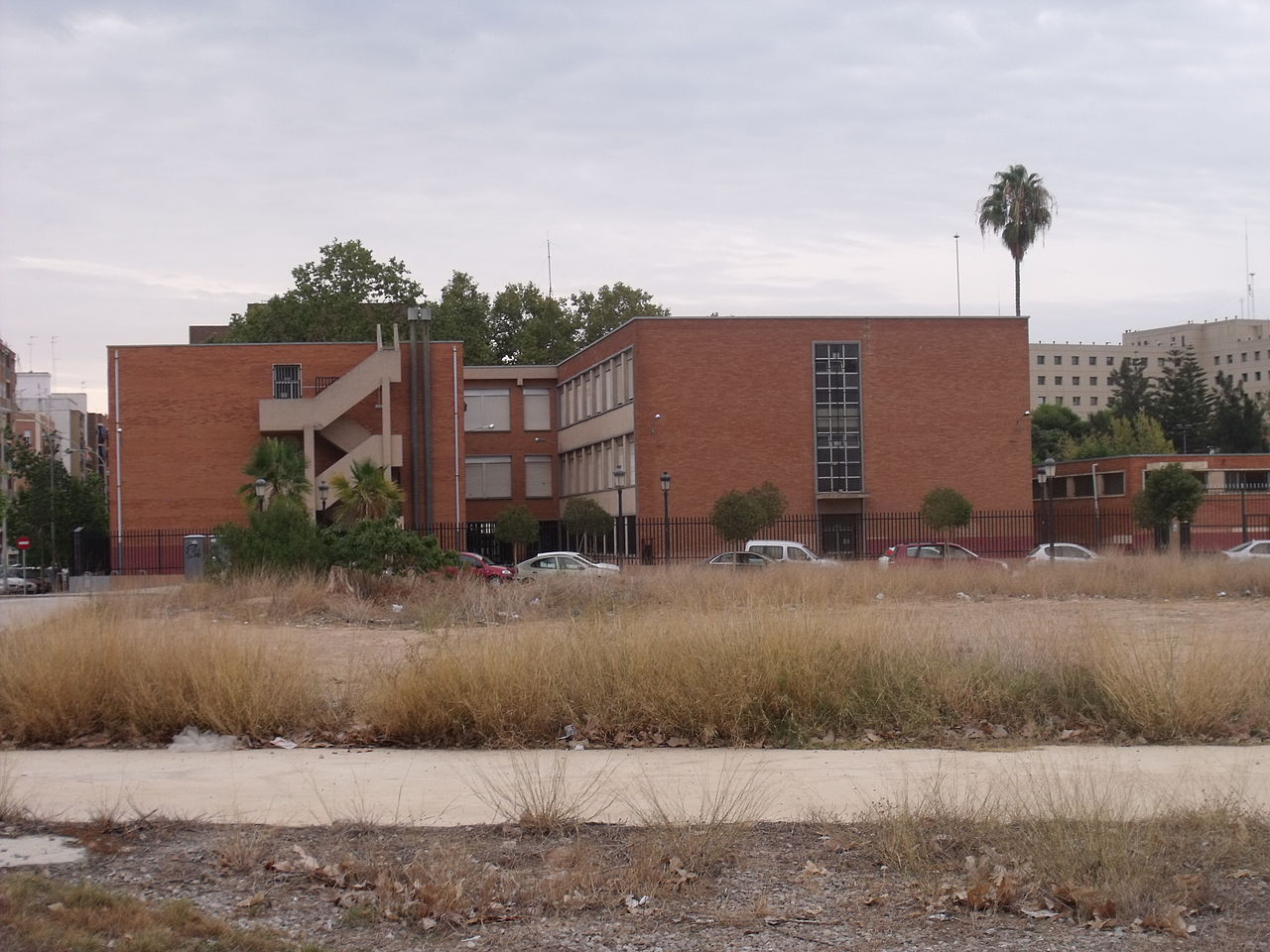
IES Juan de Garay de Valencia


The Ambiguous Origins of a Colonial Architect
Juan de Garay, born circa 1528, remains an enigmatic figure whose precise origins are a subject of historical debate. While some sources suggest his birthplace was Junta de Villalba de Losa in Castile, others contend he hailed from the Basque region, specifically near Orduña. This ambiguity, coupled with the absence of a birth certificate, highlights the challenges in reconstructing the early lives of many colonial figures.
However, Garay himself identified with Biscay, a province within the Basque Country, underscoring a strong regional identity. He entered the service of the Crown of Castile, embarking on a career that would lead him to the Viceroyalty of Peru, a sprawling administrative division of the Spanish Empire in South America. His early career was shaped by the era's spirit of exploration and conquest, preparing him for the significant role he would later play in establishing permanent Spanish settlements.
From Governor of Asunción to Founder of Buenos Aires
Garay's administrative and leadership capabilities were honed during his tenure as governor of Asunción, the capital of modern-day Paraguay. This experience provided him with crucial insights into the challenges and opportunities of governing and developing settlements in the New World. His most significant contributions, however, were in the territory that would become Argentina.
He was responsible for the foundation of numerous cities, many strategically located along the vital Paraná River basin. The crowning achievement of his urban planning endeavors was the second foundation of Buenos Aires in 1580. This was a critical moment, as the city's initial founding in 1536 by Pedro de Mendoza had ultimately failed due to a combination of factors, including indigenous resistance and logistical difficulties.
Garay's mission was to establish a sustainable and enduring presence, a task he accomplished through meticulous planning and decisive action.
The Strategic Re-foundation of Buenos Aires
The second foundation of Buenos Aires by Juan de Garay in 1580 was a meticulously planned operation that aimed to rectify the failures of the first attempt. Garay understood the strategic importance of the site, situated on the Río de la Plata estuary, offering access to both the Atlantic Ocean and the vast interior river systems. His approach was methodical: he surveyed the land, divided it into plots for settlers, and established a formal municipal government, including a cabildo (city council).
He also ensured the city had a defensive layout and allocated resources for its initial development. This deliberate and organized approach, contrasting with the more improvisational nature of earlier expeditions, was key to Buenos Aires' survival and eventual growth. Garay's success in establishing a lasting settlement transformed the potential of the region and laid the foundation for the future development of one of South America's most important cities.
Garay's Enduring Impact on the Argentine Landscape
Juan de Garay's legacy is deeply embedded in the historical and geographical fabric of Argentina. His role in founding and re-founding cities, particularly Buenos Aires, was instrumental in solidifying Spanish control and influence in the region. These urban centers became crucial nodes for trade, administration, and cultural exchange, shaping the socio-economic trajectory of the area for centuries to come.
The cities he established not only served the immediate needs of the Spanish Empire but also provided the infrastructure upon which modern Argentine society would eventually be built. His actions contributed to the territorial definition and development of what is now Argentina, making him a figure of considerable historical importance. His name is synonymous with the genesis of urban life in a significant portion of South America, a testament to his enduring impact.
Connecting Garay's Era to Modern Urban Development
Understanding Juan de Garay's work offers valuable insights into the principles of early urban planning and colonial expansion. His methodical approach to founding cities, including the strategic placement, land division, and establishment of governance, reflects foundational concepts still relevant today. While the context of 16th-century Spanish colonization is vastly different from modern urban development, the core idea of creating functional, sustainable communities remains.
Garay's success in re-establishing Buenos Aires highlights the importance of strategic planning, resource management, and understanding the local environment for successful settlement. His efforts demonstrate how deliberate urban design can influence long-term economic growth and societal development. Studying figures like Garay allows us to trace the historical evolution of urbanism and appreciate the foundational efforts that led to the complex metropolises we inhabit today.
See also
Frequently Asked Questions
Who was Juan de Garay?+
Where was he born?+
What did he do in Buenos Aires?+
Why did he rebuild Buenos Aires?+
Which other cities did he help create?+
Based on content from Wikipedia · Licensed under CC BY-SA 4.0