

The Spanish Empire: A World of Adventure!
Images
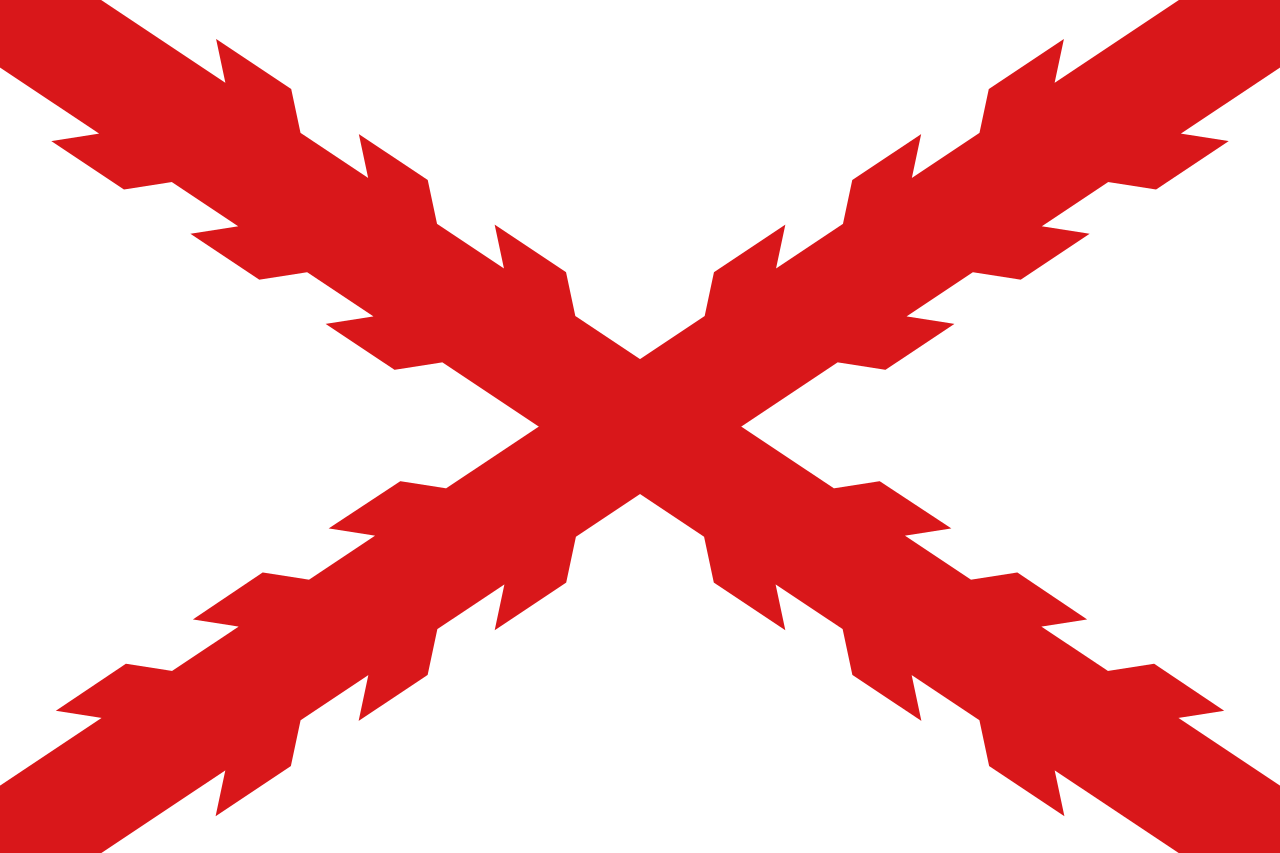
Spanish Empire
The Genesis of a Global Power
The foundations of the Spanish Empire were laid during the centuries-long Reconquista, the Christian reconquest of the Iberian Peninsula from Muslim rule, culminating in 1492 with the fall of Granada. This period fostered a strong sense of national identity, military prowess, and religious zeal that would propel Spain onto the world stage. The same year, the sponsorship of Christopher Columbus's westward voyage by Ferdinand and Isabella initiated the Age of Discovery for Spain, leading to the 'discovery' of the Americas.
This marked a paradigm shift, transforming Spain from a regional power into a nascent global hegemon. The subsequent conquest of the Aztec and Inca empires, fueled by superior military technology, disease, and internal divisions within indigenous societies, provided immense wealth in the form of gold and silver, financing further expansion and European conflicts.
Mechanisms of Imperial Control and Exploitation
Maintaining control over such a vast and diverse empire required sophisticated, albeit often brutal, administrative and economic systems. The Spanish Crown established viceroyalties, headed by viceroys who held immense power as the king's direct representatives. Audiencias, or royal courts, served as judicial and advisory bodies.
The economy was largely driven by the extraction of precious metals, particularly silver from mines like Potosi, which flowed back to Spain, fueling its European ambitions but also leading to inflation and neglecting domestic industries. The encomienda system, and later the repartimiento, were labor systems that granted Spanish settlers control over indigenous populations, demanding tribute and labor in exchange for protection and Christian instruction, effectively institutionalizing forced labor and contributing to demographic collapse.
The Columbian Exchange
The Spanish Empire was the primary conduit for the Columbian Exchange, a monumental transfer of biological and cultural elements between the Old World (Europe, Africa, Asia) and the New World (the Americas). From the Americas, crops like potatoes, maize (corn), tomatoes, and cacao were introduced to Europe, revolutionizing diets and agriculture, and contributing to population growth. Conversely, Europe introduced wheat, sugar, coffee, horses, cattle, pigs, and sheep to the Americas, transforming landscapes and economies.
However, this exchange also brought devastating diseases, such as smallpox and measles, to which indigenous populations had no immunity, leading to catastrophic mortality rates and fundamentally altering the demographic and social fabric of the Americas.
Decline and Enduring Global Footprint
Despite its immense power, the Spanish Empire faced numerous challenges that led to its gradual decline. Overextension, costly European wars, economic mismanagement, and the rise of rival European powers like England and France eroded its dominance. The Napoleonic Wars in the early 19th century proved to be the final blow, sparking independence movements across Latin America.
While the empire eventually dissolved, its legacy is undeniable. The Spanish language remains one of the most widely spoken languages globally. Spanish cultural influences are deeply embedded in art, architecture, religion, and cuisine across the Americas and beyond.
The historical processes initiated by the Spanish Empire continue to shape geopolitical relationships, economic disparities, and cultural identities worldwide.
Go deeper
Frequently Asked Questions
What made the Spanish Empire grow so big?+
How did Spain find so much gold and silver?+
What was the Columbian Exchange?+
Why did the Spanish Empire eventually stop being powerful?+
How does the Spanish Empire still influence our world today?+
Based on content from Wikipedia · Licensed under CC BY-SA 4.0