

Basque Country
Images

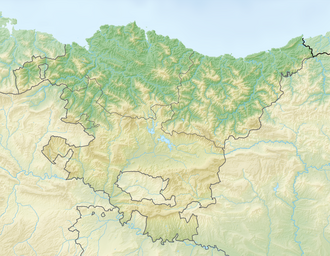
Map And Location Of The Basque Country In English




Geographical Identity
Basque Country occupies a strategic and geographically diverse territory in southwestern Europe, straddling the western end of the Pyrenees mountain range and extending to the Atlantic coast along the Bay of Biscay. This location creates a varied topography, from the rugged, mountainous interior with its deep valleys and forests to the dramatic, cliff-lined coastline. The climate is predominantly oceanic, characterized by mild temperatures and abundant rainfall throughout the year, which sustains the region's lush vegetation and agricultural productivity.
This geographical setting has historically influenced the Basque people's livelihoods, fostering traditions of seafaring, farming, and a deep connection to the land. The natural barriers of the Pyrenees also played a role in preserving the region's distinct cultural and linguistic heritage from external assimilation for centuries.
Historical Tapestry
The history of Basque Country is marked by an extraordinary continuity and a fierce determination to maintain its unique identity. The Basque people are considered one of the oldest surviving ethnic groups in Europe, with evidence of their presence dating back to prehistoric times. Their language, Euskara, is a linguistic isolate, predating the arrival of Indo-European languages in Europe, and its survival is a testament to the region's historical isolation and the people's dedication to preserving their heritage.
Throughout millennia, the Basques have navigated periods of Roman rule, Visigothic kingdoms, and integration into larger Iberian and Frankish polities, often maintaining a high degree of autonomy. The establishment of the Autonomous Community of the Basque Country in Spain in the late 20th century represents a modern political recognition of this long-standing cultural and historical distinctiveness, though the Northern Basque Country remains integrated within France.
Cultural Fabric
Basque culture is exceptionally rich and deeply ingrained in the daily lives of its people. The Euskara language is central to this identity, serving as a powerful symbol of unity and heritage. Despite historical pressures, efforts to revitalize and promote Euskara have been successful, with it being widely spoken and taught.
Gastronomy is another cornerstone of Basque culture, celebrated globally for its innovation and quality. The region boasts an impressive number of Michelin-starred restaurants and is famous for its 'pintxos' culture, where social gatherings revolve around enjoying small, artfully prepared dishes. Traditional music, dance (like the energetic 'Aurresku'), and sports (such as 'Aizkolaritza' or wood-chopping) further contribute to a vibrant cultural landscape that emphasizes community, tradition, and a strong sense of belonging.
Economic Landscape
The Basque economy has evolved significantly from its historical reliance on agriculture and fishing. The region developed a robust industrial base, particularly in heavy industry, shipbuilding, and manufacturing, becoming a powerhouse during Spain's industrialization. Today, while traditional industries remain, the Basque Country has successfully transitioned towards a more diversified and knowledge-based economy.
Key sectors include advanced manufacturing, renewable energy, biotechnology, and information technology. The region is recognized for its high levels of innovation, research and development, and skilled workforce. Tourism also plays an increasingly important role, drawn by the unique cultural heritage, stunning natural landscapes, and world-renowned culinary scene, contributing to a dynamic and resilient economic framework.
Governance and Autonomy
The political structure of Basque Country is complex, reflecting its historical position straddling the borders of Spain and France. The Spanish Basque Country comprises three provinces: Araba, Bizkaia, and Gipuzkoa, which together form the Autonomous Community of the Basque Country. This community possesses a high degree of self-governance, with its own parliament, government, police force (Ertzaintza), and fiscal system, allowing for significant control over education, healthcare, and cultural affairs.
The Northern Basque Country, consisting of parts of the former province of Labourd, Lower Navarre, and Soule, is integrated into the French Republic as part of the Pyrénées-Atlantiques department. While it lacks the same level of institutional autonomy as its Spanish counterpart, efforts are ongoing to strengthen its cultural and administrative recognition within France. This dual political reality shapes the Basque people's experience and their ongoing pursuit of cultural preservation and self-determination.
Education and Cultural Transmission
Education in Basque Country is a vital tool for cultural transmission and economic development. Within the Autonomous Community of the Basque Country in Spain, the education system is largely managed by the regional government, with a strong emphasis on bilingualism. Students typically receive instruction in both Spanish and Euskara, with various models available, including immersion programs that prioritize the Basque language.
This approach ensures the continuity of Euskara as a living language and fosters a bicultural identity among younger generations. Universities in the region, such as the University of the Basque Country (UPV/EHU), offer a wide range of programs and contribute significantly to research and innovation. In the Northern Basque Country, educational initiatives also aim to promote Euskara, often through 'ikastolak' (Basque-language schools) and cultural programs, underscoring the region's commitment to preserving its unique linguistic and cultural heritage through its educational institutions.
Go deeper
Frequently Asked Questions
What is the Basque Country?+
Why is the Basque language (Euskara) special?+
How do the Pyrenees mountains help the Basque people?+
What foods are famous in the Basque Country?+
What sports or dances are special to the Basque people?+
Based on content from Wikipedia · Licensed under CC BY-SA 4.0