

Hoover Dam: The Giant Wall of Water!
Images
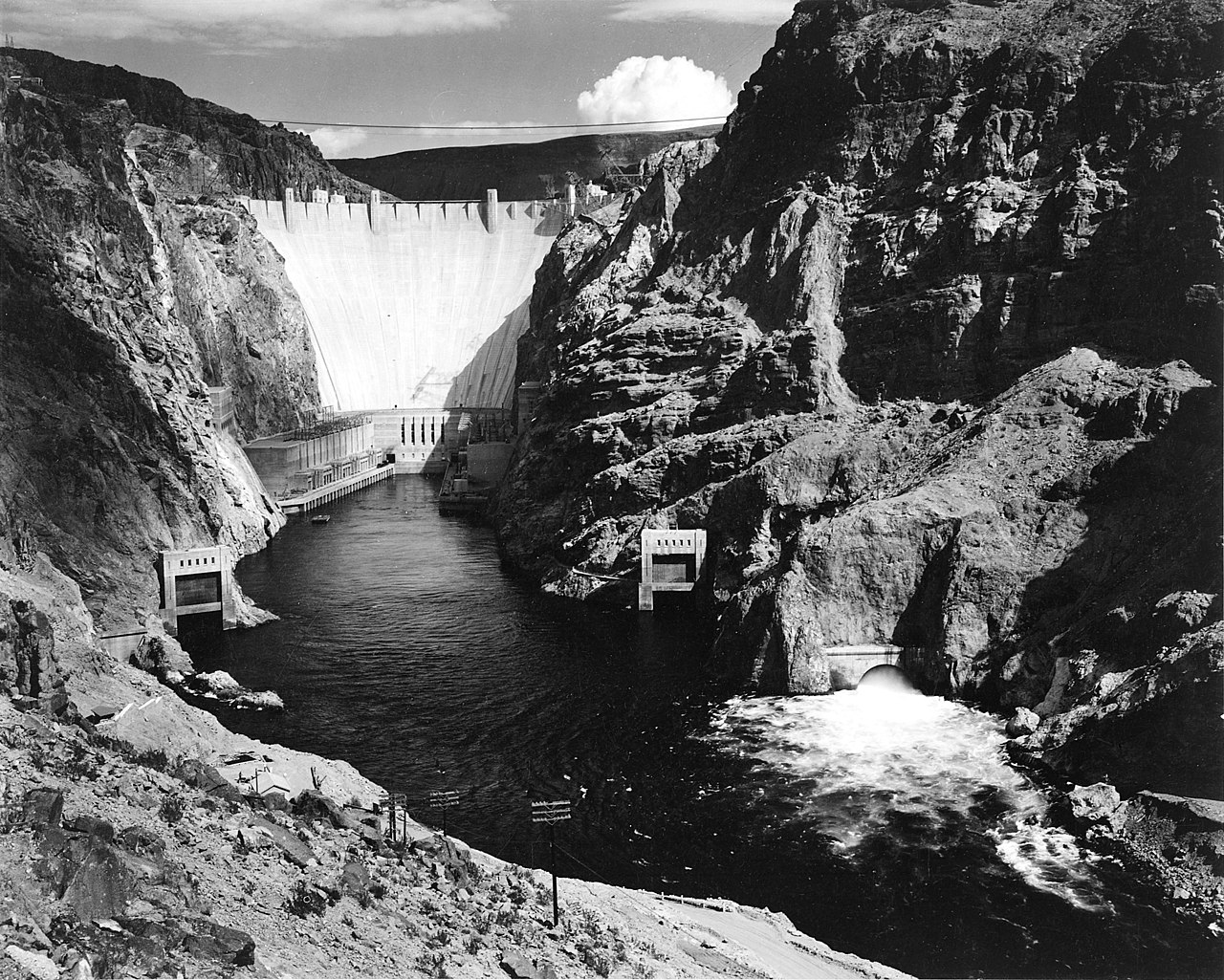
Hoover Dam
Conquering the Colorado
The Colorado River, a vital artery for the arid American Southwest, was historically a volatile force, prone to catastrophic floods and unpredictable seasonal flows. The dream of harnessing its power for irrigation, flood control, and hydroelectric generation had long been envisioned, but the sheer scale and complexity of the task seemed insurmountable. The Boulder Canyon Project Act of 1928 finally authorized the construction of a dam, a monumental undertaking that would redefine engineering capabilities.
Construction commenced in 1931, during the Great Depression, providing much-needed employment and a symbol of national ambition. The dam's design, an arch-gravity structure, was a brilliant solution to the canyon's geology, allowing the immense water pressure to be safely transferred to the bedrock. The project was completed ahead of schedule and under budget in 1936, a remarkable achievement given the era's technological limitations and the harsh desert environment.
Engineering the Impossible
The construction of Hoover Dam was a masterclass in problem-solving and innovation. Workers, enduring extreme temperatures and perilous conditions, poured over 3.25 million cubic yards of concrete. To manage the heat generated by the curing concrete, a complex system of pipes carrying refrigerated water was used, a groundbreaking technique at the time.
The diversion tunnels, blasted through the canyon walls, rerouted the river, allowing work to proceed in the dry riverbed. The sheer logistics of transporting materials and housing thousands of workers in the remote Black Canyon were immense. Boulder City was established as a model company town, providing housing, services, and a structured environment for the workforce.
Despite stringent safety measures, 112 lives were lost during construction, a somber reminder of the human cost of such ambitious projects.
A Multifaceted Lifeline
Hoover Dam's impact extends far beyond its impressive physical presence. It serves as the linchpin for water management in the Southwest, creating Lake Mead, one of the world's largest artificial reservoirs. This vast water storage is critical for supplying municipal and industrial needs to millions across Nevada, Arizona, and California, and for irrigating millions of acres of agricultural land, transforming arid landscapes into productive food baskets.
The dam's hydroelectric power generation, with a capacity of over 2,000 megawatts, provides clean, reliable energy to a significant portion of the region, powering homes, businesses, and industries. Furthermore, Lake Mead has become a premier destination for recreation, supporting tourism and offering opportunities for boating, fishing, and water sports, underscoring the dam's multifaceted contribution to the regional economy and quality of life.
Legacy and Modern Relevance
Hoover Dam stands as an enduring symbol of American ingenuity, ambition, and the transformative power of large-scale infrastructure projects. It fundamentally reshaped the American Southwest, enabling unprecedented growth and development. However, its legacy is also intertwined with contemporary challenges.
The dam's reliance on the Colorado River, a system increasingly strained by drought and overuse, highlights the delicate balance of water resource management in a changing climate. Declining water levels in Lake Mead serve as a stark visual reminder of these pressures. The dam continues to be a vital component of regional infrastructure, but its long-term sustainability is a subject of ongoing study and adaptation, prompting discussions about water conservation, efficiency, and the future of water resources in the West.
Go deeper
Frequently Asked Questions
What is the Hoover Dam and why is it called a "giant wall of water"?+
How did the Hoover Dam help people during the Great Depression?+
Why was the Hoover Dam built on the Colorado River?+
How does the Hoover Dam create electricity?+
What is Lake Mead and why is it important?+
Based on content from Wikipedia · Licensed under CC BY-SA 4.0