

Engineering
Images
Engineering


![Engineers fortify a Musa Qal'eh outpost [Image 13 of 15]](https://live.staticflickr.com/1126/5161300613_f1e6324d1d_n.jpg)

The Essence of Engineering
Engineering is fundamentally the application of scientific principles, mathematical methods, and empirical evidence to the design, development, and implementation of structures, machines, systems, materials, and processes. It is a discipline that thrives on innovation, problem-solving, and a deep understanding of how the physical world operates. Engineers are tasked with translating abstract scientific knowledge into tangible solutions that meet societal needs and improve human well-being.
This involves not only technical expertise but also critical thinking, creativity, and a strong ethical framework to ensure that their creations are safe, efficient, and beneficial. The field is characterized by its iterative nature, where designs are constantly refined through testing and analysis.
A Legacy of Ingenuity
The practice of engineering can be traced back to ancient civilizations, with monumental achievements like the pyramids of Giza, the Antikythera mechanism, and the extensive Roman road and aqueduct systems demonstrating sophisticated understanding of physics, materials, and logistics. The Renaissance and the Enlightenment spurred further advancements, leading to the formalization of engineering as a discipline during the Industrial Revolution.
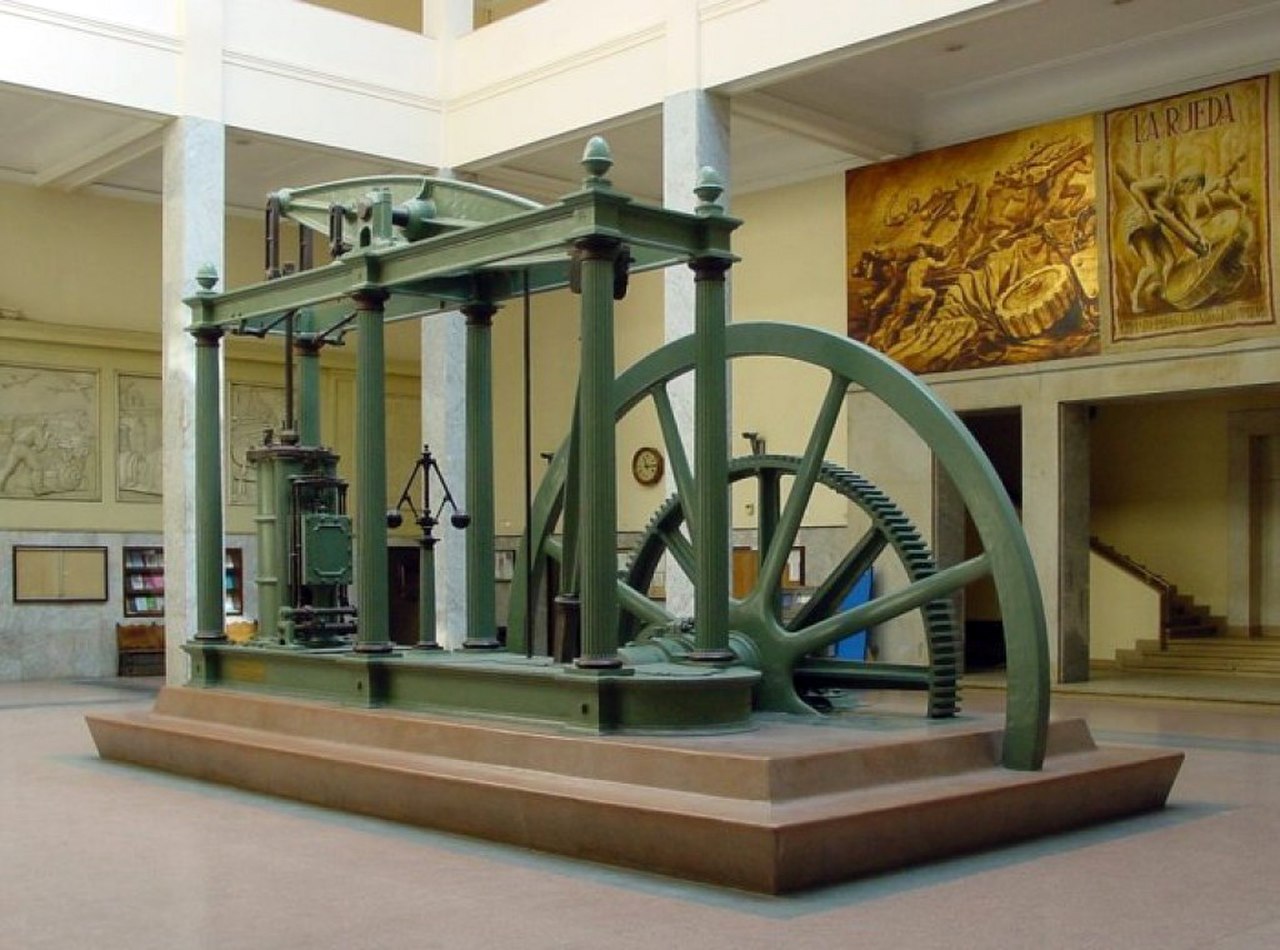
Innovations such as the steam engine, the telegraph, and later, electricity and mass production, revolutionized society. The 20th and 21st centuries have witnessed an explosion of specialized fields, from aerospace and nuclear engineering to biotechnology and artificial intelligence, each building upon this rich historical foundation and pushing the boundaries of human capability.
The Indispensable Role of Engineering in Modern Society
Engineering is the bedrock upon which modern civilization is built. It is indispensable for addressing complex global challenges, from climate change and resource scarcity to public health and sustainable development. Engineers design and maintain the critical infrastructure that underpins our economies and daily lives, including power grids, transportation networks, communication systems, and water management facilities.
Furthermore, engineering drives technological progress, leading to advancements in medicine, computing, energy, and countless other sectors. The pursuit of innovation in engineering not only enhances quality of life but also creates new industries, jobs, and opportunities, making it a vital engine for economic growth and societal advancement.
The Engineering Design Process
The engineering design process is a structured methodology that engineers employ to solve problems and create solutions. It typically begins with defining the problem or need, followed by extensive research and gathering of information. Brainstorming and ideation generate a range of potential solutions, which are then evaluated based on feasibility, cost, safety, and performance criteria. A preliminary design is developed, often involving detailed drawings, simulations, and calculations.
This design is then translated into a prototype, which undergoes rigorous testing and analysis to identify flaws and areas for improvement. The process is iterative; designs are refined based on test results, leading to a final, optimized solution. This systematic approach ensures that engineering projects are robust, reliable, and effectively meet their intended objectives.
The Expansive Landscape of Engineering Disciplines
The field of engineering is vast and encompasses numerous specialized disciplines, each focusing on distinct areas of application and scientific principles. Civil engineering deals with the design, construction, and maintenance of public and private infrastructure, such as roads, bridges, dams, and buildings. Mechanical engineering focuses on the design, analysis, manufacturing, and maintenance of mechanical systems, including engines, machinery, and robotics.
Electrical engineering concerns the study and application of electricity, electronics, and electromagnetism, vital for power generation, telecommunications, and computing. Chemical engineering applies principles of chemistry, physics, and biology to design and operate industrial chemical processes. Computer engineering merges electrical engineering and computer science to design computer hardware and software systems. Other significant fields include aerospace, biomedical, environmental, and materials engineering, all contributing to the technological fabric of our world.
Go deeper
Frequently Asked Questions
What is engineering?+
How do engineers create new inventions?+
Why do engineers test their designs many times?+
What are some famous old engineering projects?+
What kinds of engineering jobs can I have when I grow up?+
Based on content from Wikipedia · Licensed under CC BY-SA 4.0