

California
Images
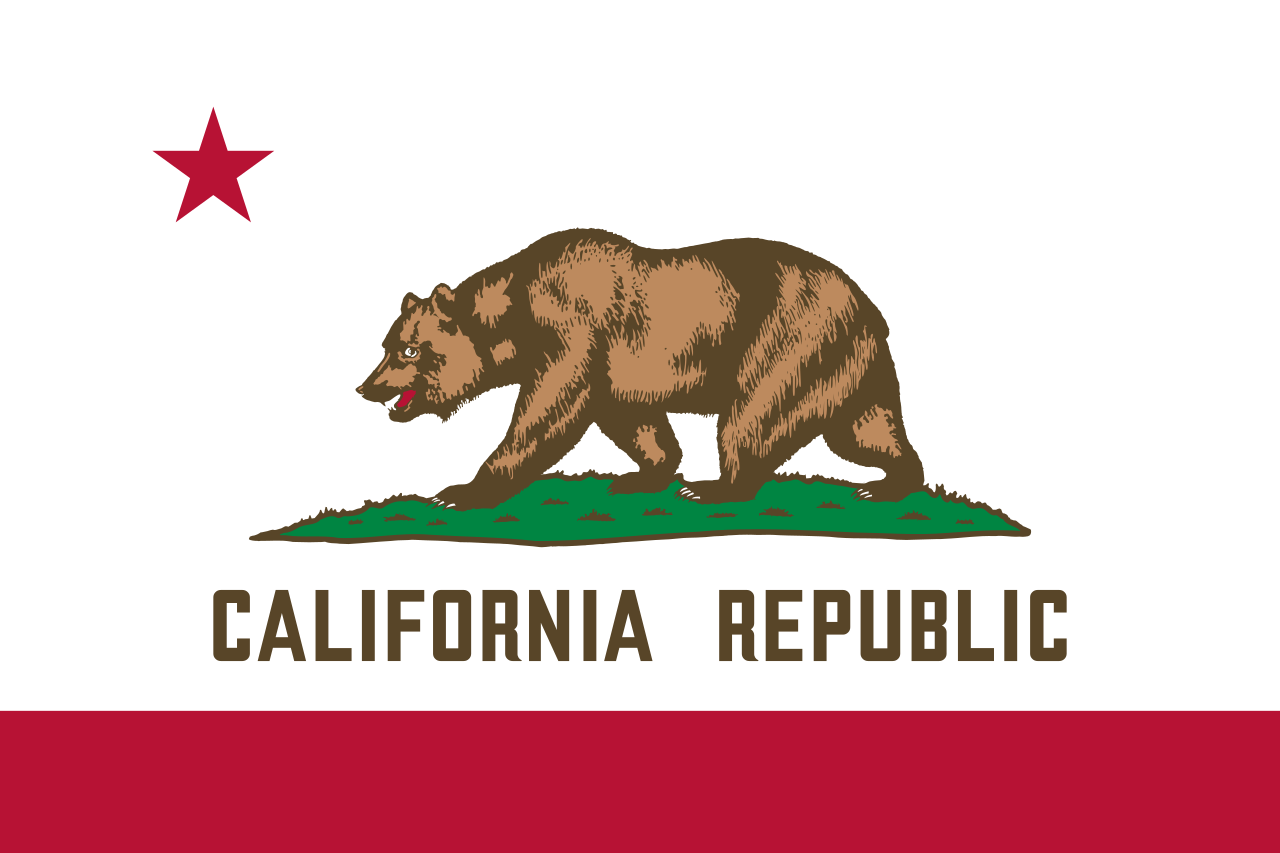
California


California's Diverse and Dynamic Landscapes
California's geography is a study in extremes and diversity, stretching over 770 miles along the Pacific coast. Its varied topography ranges from the temperate rainforests of the northwest, characterized by towering redwood and Douglas fir trees, to the arid expanses of the Mojave Desert in the southeast. The majestic Sierra Nevada mountain range forms a dramatic eastern border, offering alpine environments and significant snowfall.
This geographical variety creates a spectrum of climates, from the moist coastal regions to the dry interior. The fertile Central Valley dominates the state's center, acting as a crucial agricultural breadbasket. However, this dramatic landscape also presents challenges.
California is situated on the Pacific Ring of Fire, making it highly susceptible to seismic activity, with two-thirds of the nation's earthquake risk concentrated here. Furthermore, the state grapples with the dual threats of prolonged droughts and increasingly intense wildfires, juxtaposed with the growing prevalence of atmospheric rivers that can cause severe flooding, particularly during winter months.
A Tapestry of Cultures and Transformative History
Long before European arrival, California was a vibrant mosaic of cultures, home to numerous Native American tribes with distinct languages and traditions, making it one of North America's most linguistically diverse regions pre-colonization. The 16th and 17th centuries marked the beginning of European exploration, leading to Spanish colonization and the establishment of missions. In 1821, following Mexico's successful war for independence, California became part of the new Mexican nation.
A pivotal moment arrived in 1848 with the U.S. conquest during the Mexican-American War, ceding California to the United States. The same year saw the discovery of gold, igniting the California Gold Rush. This event triggered immense social and demographic shifts, including rapid population growth and significant, tragic consequences for indigenous populations, often referred to as the California genocide.
The influx of settlers led to California organizing itself and being admitted as the 31st state in 1850, notably as a free state, as part of the Compromise of 1850.
The Engine of American Innovation and Global Influence
California's economy is not just the largest in the United States; it's the world's largest sub-national economy, rivaling that of entire countries. If it were an independent nation, its Gross State Product would place it among the top global economies. This economic might is fueled by diverse sectors.
Agriculture remains a cornerstone, with California leading the nation in producing dairy, almonds, and grapes, thanks to its fertile lands and favorable climate. The state is also a critical node in global trade, boasting the busiest port in the U.S. in Los Angeles, which handles approximately 40% of goods imported into the country. Culturally, California exerts immense influence. Hollywood is synonymous with the global film industry, shaping entertainment narratives and popular culture worldwide since the early 20th century.
Simultaneously, Silicon Valley has become the undisputed epicenter of the global technology industry, driving innovation in computing, software, and digital communication, profoundly impacting how the world lives, works, and interacts.
Governing a Diverse and Populous State
As the most populous state in the U.S., California's governance is a complex undertaking. It operates under a democratic republic system, with a framework established by its state constitution. The executive branch is headed by the Governor, who is elected to a four-year term and is responsible for implementing state laws and overseeing the vast state bureaucracy.
The legislative branch is bicameral, consisting of the Senate and the Assembly, responsible for creating and passing laws. The judicial branch, headed by the Supreme Court of California, interprets laws and ensures they align with the state constitution. With nearly 40 million residents spread across a vast territory, representing a wide array of ethnicities, cultures, and economic interests, the political landscape is dynamic and often reflects national trends.
The state's capital is Sacramento, serving as the seat of government where these branches operate.
California's Educational Landscape and Future
California's commitment to education is reflected in its extensive public and private school systems, designed to serve its massive student population. The state boasts a dual-track higher education system: the University of California (UC) system, renowned for its research and graduate programs, and the California State University (CSU) system, which focuses on practical, career-oriented education. These systems, along with numerous community colleges and private institutions, provide pathways for millions of students.
The state's educational priorities often focus on preparing students for the workforce, particularly in the burgeoning technology and entertainment sectors that are hallmarks of its economy. However, like many large states, California faces ongoing challenges in ensuring equitable access to quality education across all its diverse communities, addressing funding disparities, and adapting curricula to meet the evolving demands of a globalized and technologically advanced society.
Go deeper
Frequently Asked Questions
What is California known for?+
Why does California have earthquakes?+
How did California become a U.S. state?+
What kinds of plants grow in California?+
Why is California important for movies and technology?+
Based on content from Wikipedia · Licensed under CC BY-SA 4.0