

Arizona
Images
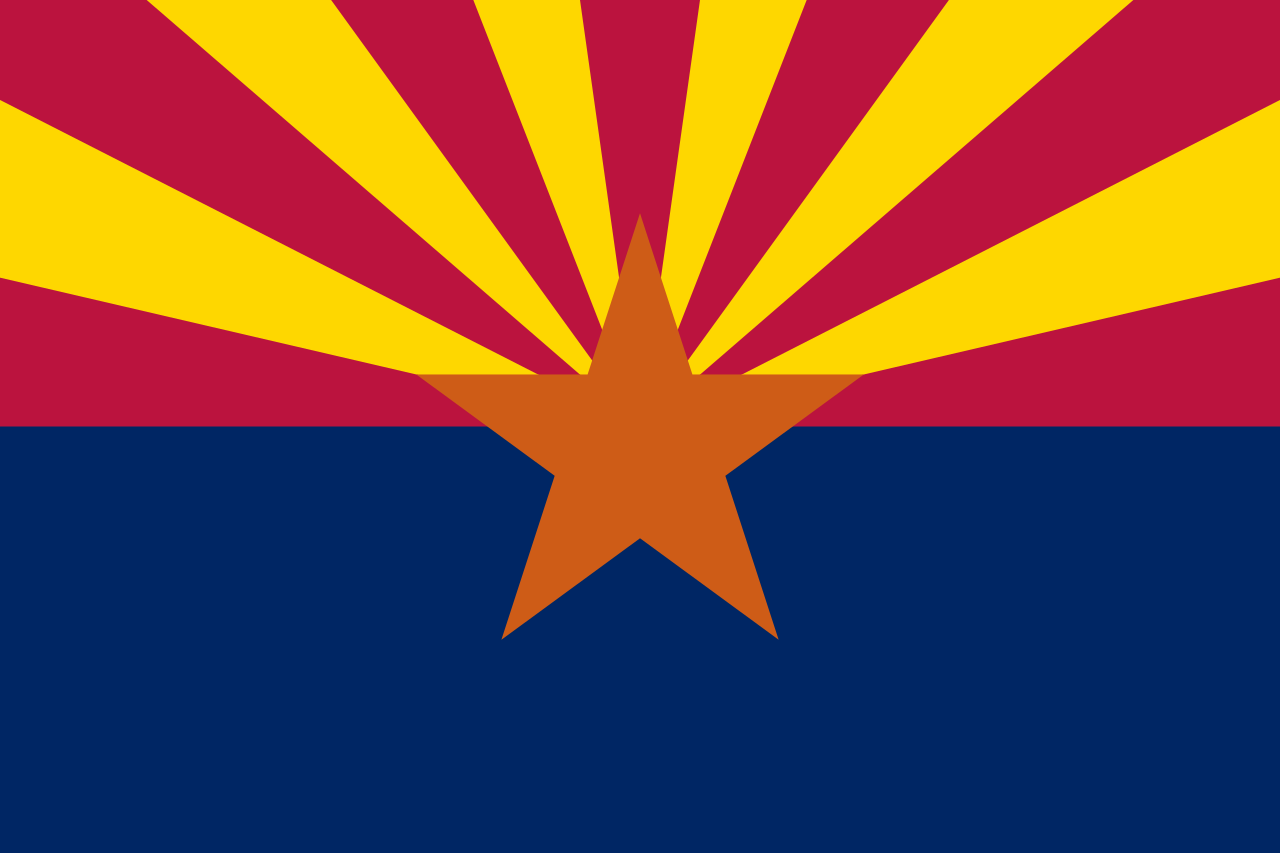
Flag Of Arizona


Geographical Extremes and Ecological Significance
Arizona's geography is defined by dramatic extremes, primarily its arid desert climate in the south and its cooler, forested highlands in the north. This stark contrast is largely due to elevation changes. The Sonoran Desert, characterized by saguaro cacti and extreme summer heat, gives way to the Colorado Plateau in the north, a vast, elevated region supporting extensive pine and fir forests.
This plateau is home to mountain ranges like the San Francisco Peaks, which reach over 12,000 feet, and is the site of significant winter snowfall, supporting ski resorts in areas like Flagstaff. The state's most iconic natural feature, the Grand Canyon, is a UNESCO World Heritage site and a profound geological marvel, showcasing billions of years of Earth's history. Arizona also contains numerous other national parks, forests, and monuments, underscoring its ecological diversity and importance for conservation efforts.
The management of water resources, particularly from the Colorado River, is a critical and often contentious issue given the state's arid environment and growing population.
A Shifting Demographic Landscape and Cultural Mosaic
Arizona's population is characterized by a rich and evolving demographic tapestry. A significant portion of the state's landmass, approximately 25%, is comprised of Native American reservations, serving as the ancestral homelands for 27 federally recognized tribes. The Navajo Nation, the largest reservation in the U.S., is a prominent example, reflecting a deep historical and cultural connection to the region.
Since the 1980s, Arizona has experienced substantial growth in its Hispanic population, driven by migration from Mexico and Central America, significantly altering the state's cultural and linguistic landscape. This influx has contributed to Arizona becoming a key component of the 'Sun Belt,' a region experiencing rapid population and economic expansion. The state's religious landscape is also diverse, with significant communities adhering to Roman Catholicism and the Church of Jesus Christ of Latter-day Saints, among others.
From Territorial Acquisition to Political Pivot State
Arizona's journey to statehood is a narrative of territorial expansion and political evolution. Historically part of Spanish and later Mexican territories, it was ceded to the United States in 1848 following the Mexican-American War. The Gadsden Purchase of 1853 secured the southernmost portion of the state, solidifying its current boundaries.
Arizona was the 48th and final state admitted to the contiguous United States, achieving statehood on February 14, 1912. Politically, Arizona has historically been associated with conservative ideologies, famously represented by figures like Barry Goldwater. However, in recent decades, the state has transitioned into a crucial 'swing state,' with its electoral votes becoming highly contested in national elections, reflecting its changing demographics and political allegiances.
Economic Drivers and Educational Powerhouses
Arizona's economy has undergone significant transformation and growth, particularly since the mid-20th century. It has become a major hub within the Sun Belt, attracting both individuals and corporations. Key industries include technology, mining, tourism, and agriculture, supported by a growing workforce and favorable business climate.
Major metropolitan areas like Phoenix and Tucson have developed extensive suburban infrastructures, accommodating this growth. Several large corporations, including PetSmart and Circle K, are headquartered in Arizona, contributing substantially to its economic output. Furthermore, the state is a significant center for higher education, hosting major research universities such as the University of Arizona, Arizona State University, and Northern Arizona University, which play vital roles in research, innovation, and workforce development.
Go deeper
Frequently Asked Questions
What is the Grand Canyon?+
Why does Arizona have hot deserts in the south but cooler forests in the north?+
How many Native American reservations are in Arizona?+
When did Arizona become a state?+
What are the main industries in Arizona?+
Based on content from Wikipedia · Licensed under CC BY-SA 4.0