

Chile
Images
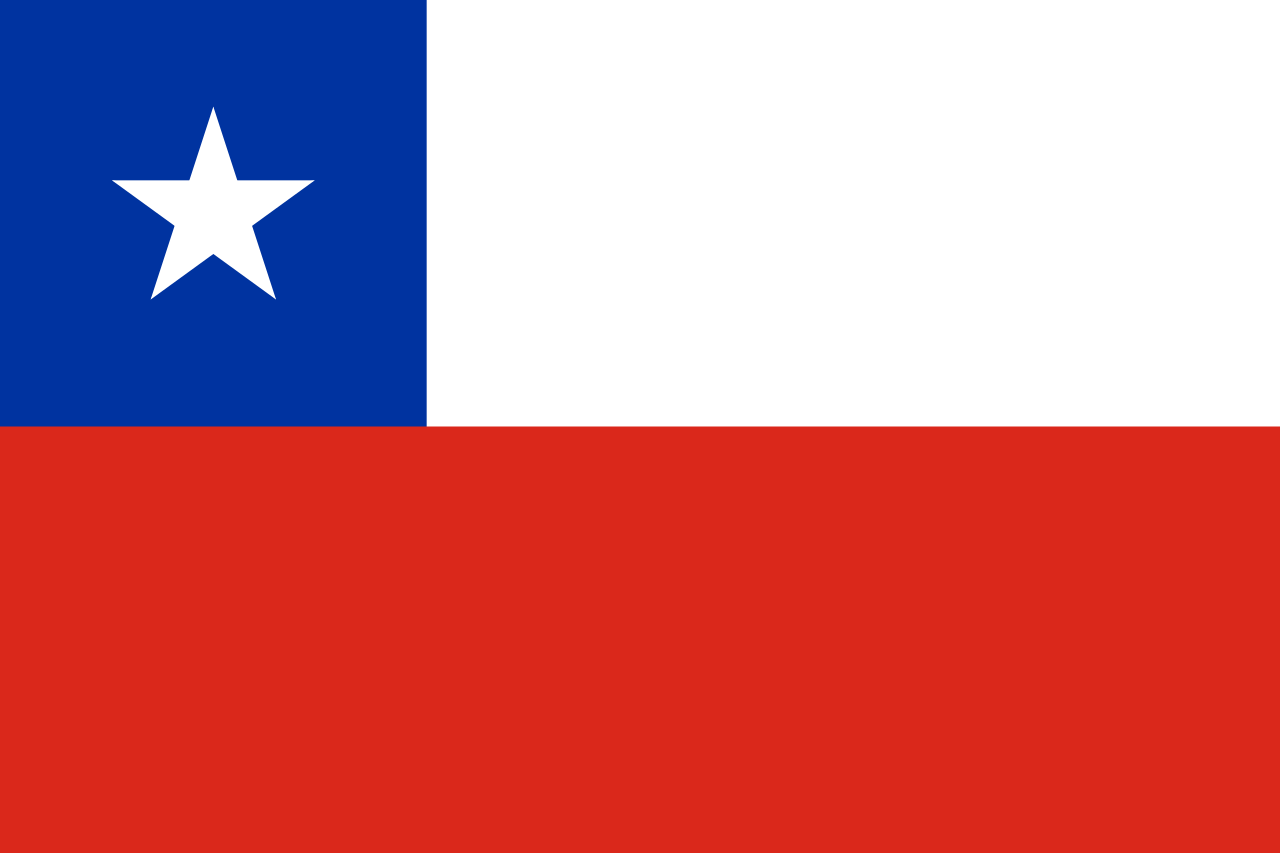
Chile
Opens Google Maps in new tab
The Extreme Geography of a Long Nation
Chile's defining characteristic is its extreme elongation, stretching over 4,300 kilometers (2,670 miles) along the southwestern coast of South America. This narrow strip of land, averaging only about 177 kilometers (110 miles) in width, is a result of its unique geological setting, bordered by the formidable Andes Mountains to the east and the vast Pacific Ocean to the west. This dramatic topography creates an astonishing array of microclimates and ecosystems.
The northern Atacama Desert is one of the driest places on Earth, offering unparalleled conditions for astronomical observation due to its clear skies and minimal light pollution. Moving south, the landscape transitions through Mediterranean climates, temperate rainforests, alpine tundras, and finally, glacial regions in Patagonia. This geographical diversity has profoundly shaped Chile's history, economy, and culture, influencing everything from settlement patterns to resource exploitation and national identity.
The country also claims a significant portion of Antarctica, the Chilean Antarctic Territory, highlighting its southernmost position and strategic interests.
From Inca Empire to Modern Republic
Chile's history is a narrative of conquest, resistance, and nation-building. Initially part of the Inca Empire, the region was later colonized by the Spanish in the mid-16th century. However, Spanish attempts to fully subjugate the autonomous Mapuche people in the south were largely unsuccessful, leading to centuries of conflict and a distinct cultural divide.
Chile declared independence from Spain in 1818, eventually establishing a relatively stable authoritarian republic by the 1830s. The 19th century witnessed significant territorial and economic expansion, notably the acquisition of its northern territories following the War of the Pacific (1879–83) and the final subjugation of Mapuche resistance in the 1880s. The 20th century brought democratization, rapid urbanization, and a growing reliance on copper exports.
This period was also marked by intense political polarization, culminating in the 1973 coup d'état that overthrew a democratically elected socialist government and ushered in a long military dictatorship under Augusto Pinochet. The return to democracy in 1990 initiated a new era of political stability and economic growth, positioning Chile as a key player in regional affairs.
Islands as Outposts
Chile's sovereignty extends to numerous Pacific islands, each with its own unique significance. Easter Island (Rapa Nui) is perhaps the most globally recognized, famed for its iconic Moai statues – monolithic human figures carved by the Rapa Nui people between the 13th and 16th centuries. The mystery surrounding their creation, transport, and purpose continues to fascinate archaeologists and visitors alike. The island also represents a poignant case study in ecological and societal collapse.
The Juan Fernández Archipelago, another key territory, is a UNESCO Biosphere Reserve known for its unique flora and fauna, and its historical connection to the castaway Alexander Selkirk, who inspired Daniel Defoe's 'Robinson Crusoe'. These islands, though geographically remote, are integral to Chile's national identity, contributing to its cultural heritage, scientific research potential, and maritime claims. Their administration presents unique logistical and environmental challenges, underscoring Chile's vast and diverse territorial reach.
Chile's Contemporary Role and Global Standing
In the 21st century, Chile stands out as one of South America's most economically and socially stable nations. It boasts a high-income economy, largely driven by its rich mineral resources, particularly copper, which accounts for a significant portion of its exports. Beyond resource extraction, Chile has diversified its economy into areas like agriculture (especially wine and fruit), fishing, and forestry.
The country consistently ranks high in regional indices for state sustainability and democratic development, demonstrating a commitment to good governance and human rights since the end of its dictatorship. Chile is an active participant in international diplomacy, being a founding member of organizations such as the United Nations and the Community of Latin American and Caribbean States (CELAC). Its membership in the OECD since 2010 further solidifies its integration into the global economic community.
Furthermore, Chile's unique environmental conditions, particularly in the Atacama Desert, have made it a global hub for astronomical research, hosting some of the world's most advanced telescopes.
Go deeper
Frequently Asked Questions
What makes Chile so long and skinny?+
Why is the Atacama Desert special?+
How did Chile become independent?+
What are the Moai statues on Easter Island?+
Why is the Juan Fernández Archipelago important?+
Based on content from Wikipedia · Licensed under CC BY-SA 4.0