

Bolivia
Images
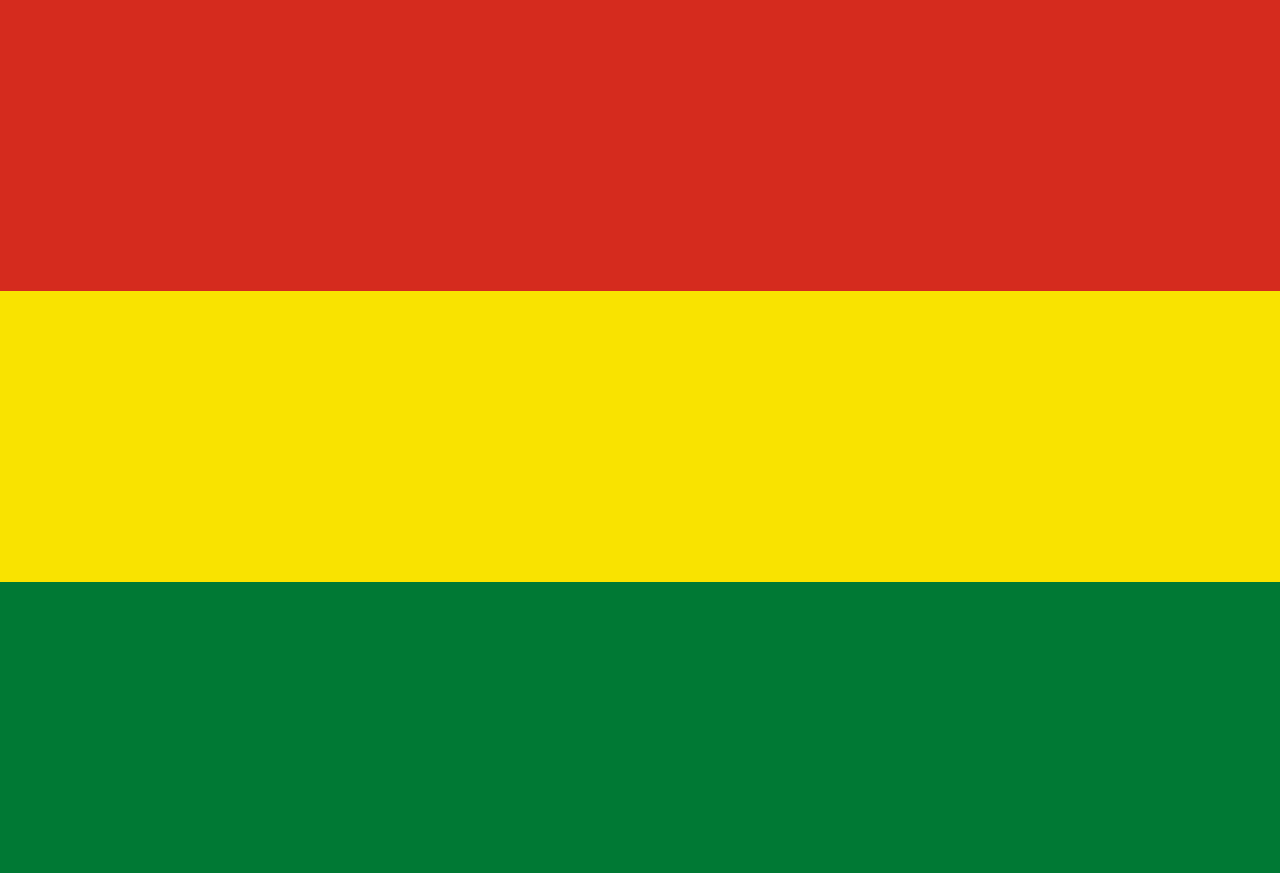
Bolivia


Opens Google Maps in new tab
Geographical Extremes
Bolivia's geography is defined by dramatic contrasts, largely dictated by its position straddling the Andes Mountains and the Amazon Basin. The western third of the country is dominated by the Andes, featuring high-altitude plateaus (altiplano) and snow-capped peaks that reach over 6,000 meters (nearly 20,000 feet). This region experiences cold, dry climates.
Descending eastward, the landscape transitions through warm valleys into the vast, tropical lowlands of the Amazonian plains and the Gran Chaco. Here, the climate is hot and humid, supporting lush rainforests and the immense Pantanal wetland, the world's largest tropical wetland, which Bolivia shares with its neighbors. This extreme variation in elevation and climate supports an incredible array of biomes and ecosystems, from alpine tundra to dense jungle, influencing everything from agriculture to human settlement patterns.
As the fifth-largest country in South America, its sheer size amplifies these geographical differences.
A Legacy of Empires, Silver, and Independence Struggles
Bolivia's history is deeply rooted in its pre-Columbian past, notably the Tiwanaku civilization, which predated the Inca Empire. The Inca consolidated control over the western highlands, establishing significant settlements. The arrival of Spanish conquistadors in the 16th century marked a pivotal, often brutal, shift.
The region, then known as Upper Peru, became a vital source of silver for the Spanish Empire, particularly from the incredibly rich Cerro Rico ('Rich Mountain') in Potosí, which fueled Spain's global power but at immense human cost. The struggle for independence was long and arduous, culminating in the establishment of the Republic of Bolivia in 1825, named after Simón Bolívar. The 19th and early 20th centuries were marked by territorial losses to neighboring countries through conflicts like the War of the Pacific, which cost Bolivia its coastline, and the cession of the Acre territory to Brazil.
This history of exploitation, resistance, and territorial negotiation has profoundly shaped Bolivia's national identity and its relationship with its neighbors.
Plurinational Identity
The official designation of Bolivia as the 'Plurinational State of Bolivia' reflects its profound ethnic and cultural diversity. The country is home to a significant indigenous population, alongside people of mixed European and indigenous heritage (Mestizos) and those of European and African descent. This multiethnic composition is recognized legally and culturally, with Spanish serving as the predominant official language, but with 36 indigenous languages also holding official status.
The most widely spoken indigenous languages, Aymara, Quechua, and Guaraní, are integral to the cultural fabric of different regions. This linguistic and ethnic diversity fosters a rich tapestry of traditions, music, art, and social customs. The fusion of indigenous, Spanish colonial, and other influences creates a unique cultural landscape, evident in everything from cuisine to religious practices, making Bolivia a vibrant example of cultural coexistence and complexity.
Economic Realities
Bolivia's economy is characterized by its significant natural resource wealth, particularly minerals and hydrocarbons, alongside a substantial agricultural sector. Historically, silver mining was paramount, and today, Bolivia is a major global producer of lithium, a critical component in modern battery technology, alongside tin and copper. The country also possesses considerable natural gas reserves.
However, despite this resource endowment, Bolivia remains one of the poorest countries in South America. Its economy faces challenges related to infrastructure, market access, and the volatile prices of commodities. The government has pursued various economic policies, including nationalization and social programs, aiming for growth and poverty reduction.
While the economy has seen periods of growth, particularly under recent administrations, it continues to grapple with structural issues and the need for diversification beyond resource extraction. The production of coca, while controversial and subject to international scrutiny, remains a significant part of the informal economy in certain regions.
Governance and Political Evolution
Bolivia's political system is a unitary state divided into nine departments, with a presidential representative democratic republic structure. The constitution establishes three branches of government: the executive, legislative, and judicial. La Paz serves as the administrative capital, housing the executive and legislative powers, while Sucre remains the constitutional capital and seat of the judiciary. The country has a complex political history, marked by periods of military dictatorship, coups, and democratic transitions.
The late 20th and early 21st centuries saw significant political shifts, including the rise of Evo Morales, Bolivia's first indigenous president, who implemented social reforms and economic growth but also faced accusations of democratic backsliding. As of recent assessments, Bolivia is classified as a partly-free democracy, indicating ongoing challenges in fully consolidating democratic institutions and protecting civil liberties. Its membership in various regional organizations highlights its engagement in international diplomacy and cooperation.
Go deeper
Frequently Asked Questions
What makes Bolivia's geography so special?+
Why does Bolivia not have a sea?+
How many languages are spoken in Bolivia?+
What is Cerro Rico in Potosí?+
What is the Pantanal wetland?+
Based on content from Wikipedia · Licensed under CC BY-SA 4.0