

Democracy
Images
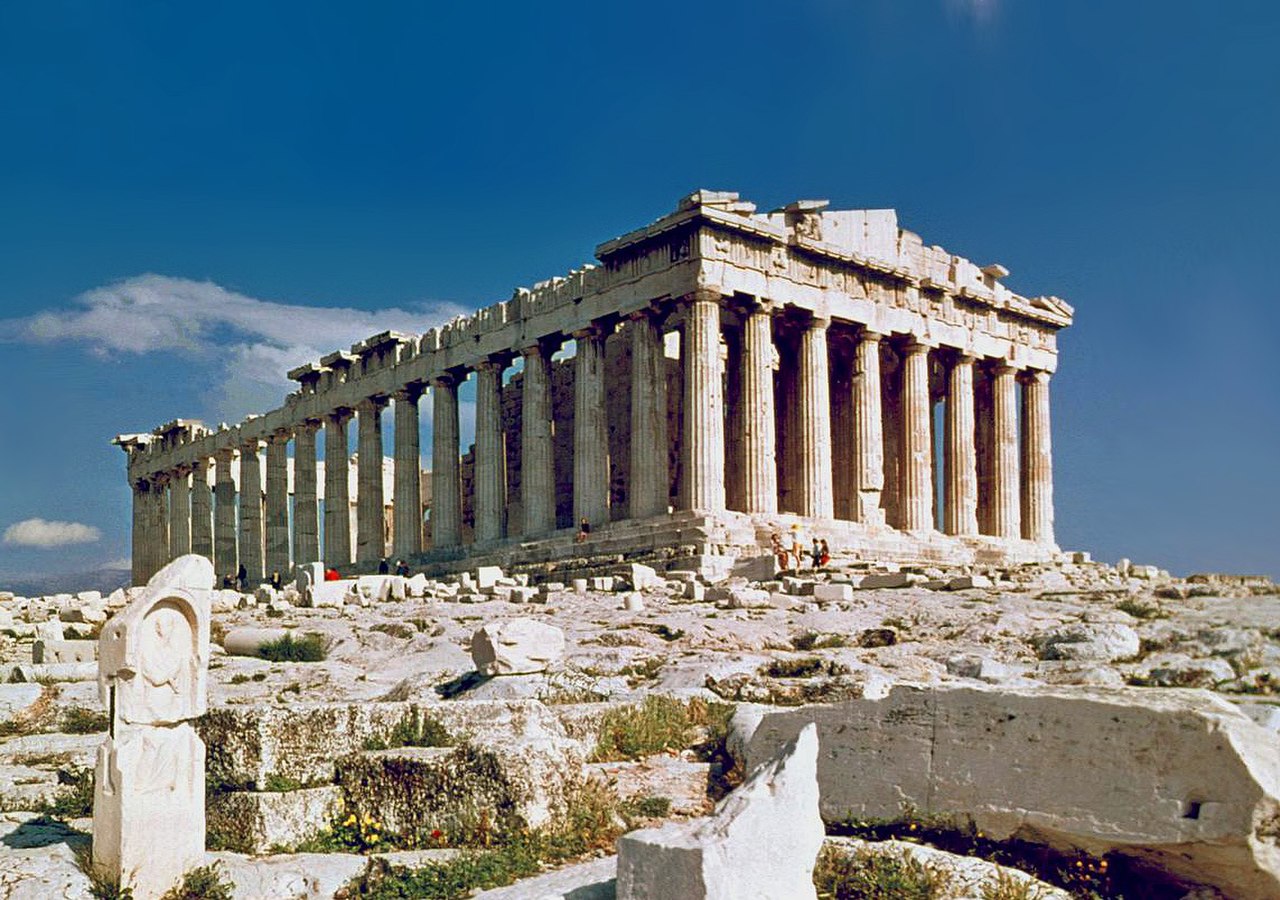
Democracy
The Philosophical Underpinnings of Rule by the People
Democracy, at its core, is a political philosophy that champions the idea of popular sovereignty – that legitimate political power derives from the consent of the governed. This contrasts sharply with autocratic or oligarchic systems where power is concentrated in the hands of a few. The philosophical underpinnings are rooted in concepts of individual autonomy, equality, and the inherent dignity of each person.
Thinkers like John Locke emphasized natural rights and the social contract, arguing that governments are formed to protect these rights, and citizens retain the right to alter or abolish a government that fails to do so. This principle underpins the legitimacy of democratic institutions and the justification for citizen participation in governance, fostering a sense of collective ownership and responsibility for the political community.
A Historical Trajectory
The historical evolution of democracy is a complex narrative of expansion and adaptation. Ancient Athenian democracy, while groundbreaking, was a form of direct democracy limited to a small, privileged segment of the population. The intervening centuries saw the rise and fall of various forms of governance, with democratic ideals often suppressed.
The Enlightenment period, however, was a crucial catalyst, with philosophers like Rousseau advocating for the general will and Montesquieu championing the separation of powers. The American and French Revolutions were pivotal in translating these philosophical ideas into practical, though often imperfect, representative systems. The subsequent centuries have been marked by ongoing struggles for suffrage expansion, civil rights movements, and the global spread of democratic governance, albeit with significant variations and setbacks.
The Indispensable Pillars
The significance of democracy extends far beyond the act of voting. It is fundamentally linked to the protection of human rights, civil liberties, and the rule of law. Democratic societies tend to be more stable, prosperous, and peaceful because they provide mechanisms for peaceful conflict resolution and ensure that governments are accountable to their citizens.
The freedom of speech, press, and assembly inherent in democracies allows for robust public discourse, critical scrutiny of power, and the continuous improvement of policies. Moreover, democratic systems foster innovation and economic growth by creating environments where individuals feel secure in their rights and are empowered to participate in economic and social life. The ability to peacefully change leadership through elections prevents the build-up of grievances that can lead to instability.
Mechanisms of Participation
Modern democracies operate through a variety of interconnected mechanisms. At the forefront are regular, free, and fair elections, which serve as the primary channel for citizens to express their preferences and hold leaders accountable. However, democracy is more than just electoral processes.
It relies on robust institutions such as an independent judiciary, a professional civil service, and legislative bodies that can effectively debate and enact laws. Crucially, a vibrant civil society, encompassing non-governmental organizations, advocacy groups, and engaged citizens, plays a vital role in monitoring government, advocating for specific interests, and fostering civic engagement between elections. These elements collectively ensure a system of checks and balances and promote responsive governance.
Global Manifestations and Contemporary Challenges
Democracy is not a monolithic concept; it manifests in diverse forms across the globe, including parliamentary, presidential, and semi-presidential systems, as well as constitutional monarchies. Countries like Germany, Japan, South Korea, and many in Western Europe exemplify established democracies with varying institutional structures. However, contemporary democracies face significant challenges.
These include the rise of populism and authoritarian tendencies, the impact of disinformation and social media on public discourse, increasing political polarization, economic inequality, and the need to adapt to global issues like climate change and pandemics. Maintaining democratic norms, ensuring inclusive participation, and safeguarding institutions against erosion are ongoing struggles for democratic societies worldwide.
Go deeper
Frequently Asked Questions
What is democracy?+
Why do people vote in a democracy?+
How did democracy start in ancient Greece?+
Why is freedom of speech important in a democracy?+
What happens if a government stops protecting people's rights in a democracy?+
Based on content from Wikipedia · Licensed under CC BY-SA 4.0