

Robinson Crusoe
Images
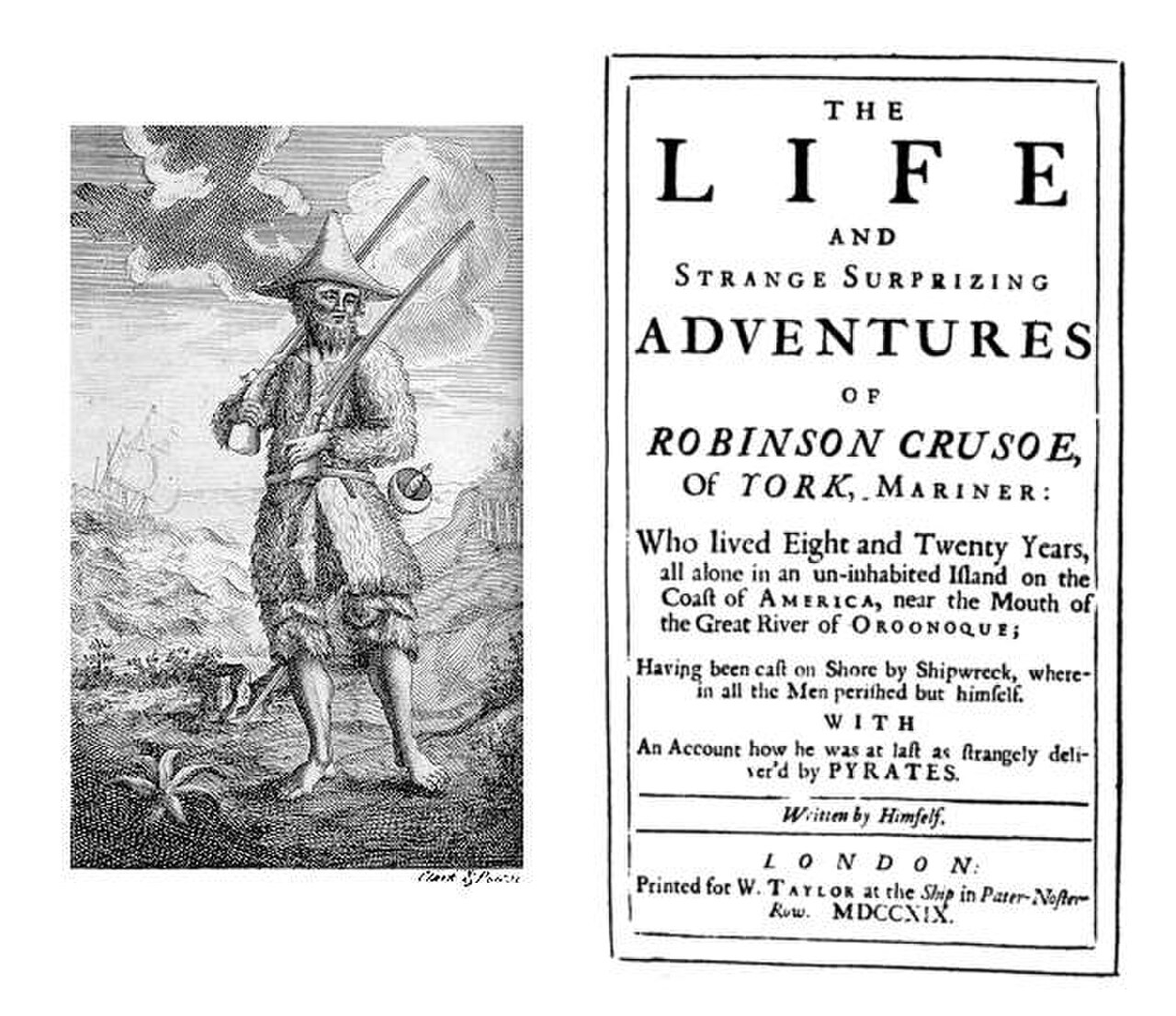
Robinson Crusoe
The Genesis of an Adventurer
Robinson Crusoe, the titular character of Daniel Defoe's groundbreaking 1719 novel, was conceived as a figure born into the middle class in York, England, around 1632. His father, a merchant of German origin, desired a stable, respectable life for his son, urging him towards law or commerce. However, Robinson harbored an insatiable wanderlust, a 'strong inclination to see the world.' This yearning for adventure, a common theme in early modern literature, led him to defy his parents' wishes and embark on a seafaring life.
His initial voyages were fraught with peril, including capture by Barbary pirates and subsequent enslavement, experiences that honed his practical skills and instilled a deep-seated desire for freedom and self-determination, inadvertently preparing him for the extreme isolation that awaited him.
The Island as a Microcosm of Civilization
Crusoe's infamous shipwreck occurred during a voyage to Africa, leaving him the sole survivor on a remote, tropical island. His subsequent 28-year sojourn is meticulously detailed, transforming the island into a canvas for his efforts to recreate a semblance of European civilization. Upon realizing his predicament, Crusoe systematically salvaged provisions and tools from the wreck, demonstrating remarkable foresight and resourcefulness.
He established a fortified dwelling, cultivated crops like barley and rice, and domesticated goats, effectively creating a self-sufficient agricultural system. This process of taming the wilderness and imposing order reflects Enlightenment ideals of human dominion over nature and the capacity for rational self-governance, making the island a microcosm where Crusoe grapples with solitude, faith, and the very definition of a civilized existence.
Encounter, Companionship, and Eventual Rescue
The profound isolation of Crusoe's existence was broken after many years with the appearance of cannibals on the island, followed by his rescue of a captive they intended to eat. This captive, whom Crusoe named Friday in honor of the day he was saved, became his devoted companion and servant. The relationship between Crusoe and Friday is complex, often interpreted through the lens of colonial power dynamics, with Crusoe imposing his language, religion, and customs upon Friday.
Nevertheless, Friday's presence alleviates Crusoe's loneliness and provides him with essential assistance. After nearly three decades, Crusoe's isolation finally ends when an English merchant ship arrives. He and Friday are rescued, allowing Crusoe to return to England, a vastly different man shaped by his extraordinary experiences and the profound lessons learned in solitude.
Literary Significance and Enduring Impact
Daniel Defoe's 'Robinson Crusoe' is widely regarded as a foundational text in English literature, often cited as one of the first true novels. Its realistic narrative style, detailed descriptions, and exploration of individual agency resonated deeply with contemporary audiences and continue to captivate readers. The novel popularized the 'castaway' or 'Robinsonade' genre, influencing countless subsequent works of adventure and survival fiction.
Beyond its narrative appeal, the story delves into profound themes: the struggle for survival, the nature of civilization versus the wild, the role of faith and providence, and the psychological impact of extreme isolation. Crusoe's journey from a rebellious youth to a resourceful survivor and eventual patriarch of his island domain offers a compelling study of human adaptability and the enduring quest for meaning and order in a chaotic world.
Go deeper
Frequently Asked Questions
Who is Robinson Crusoe?+
How did Robinson Crusoe survive on the island?+
Who is Friday and why is he named that?+
Why did Robinson Crusoe leave his family?+
What happens to Robinson Crusoe after 28 years?+
Based on content from Wikipedia · Licensed under CC BY-SA 4.0