

Brazil
Images
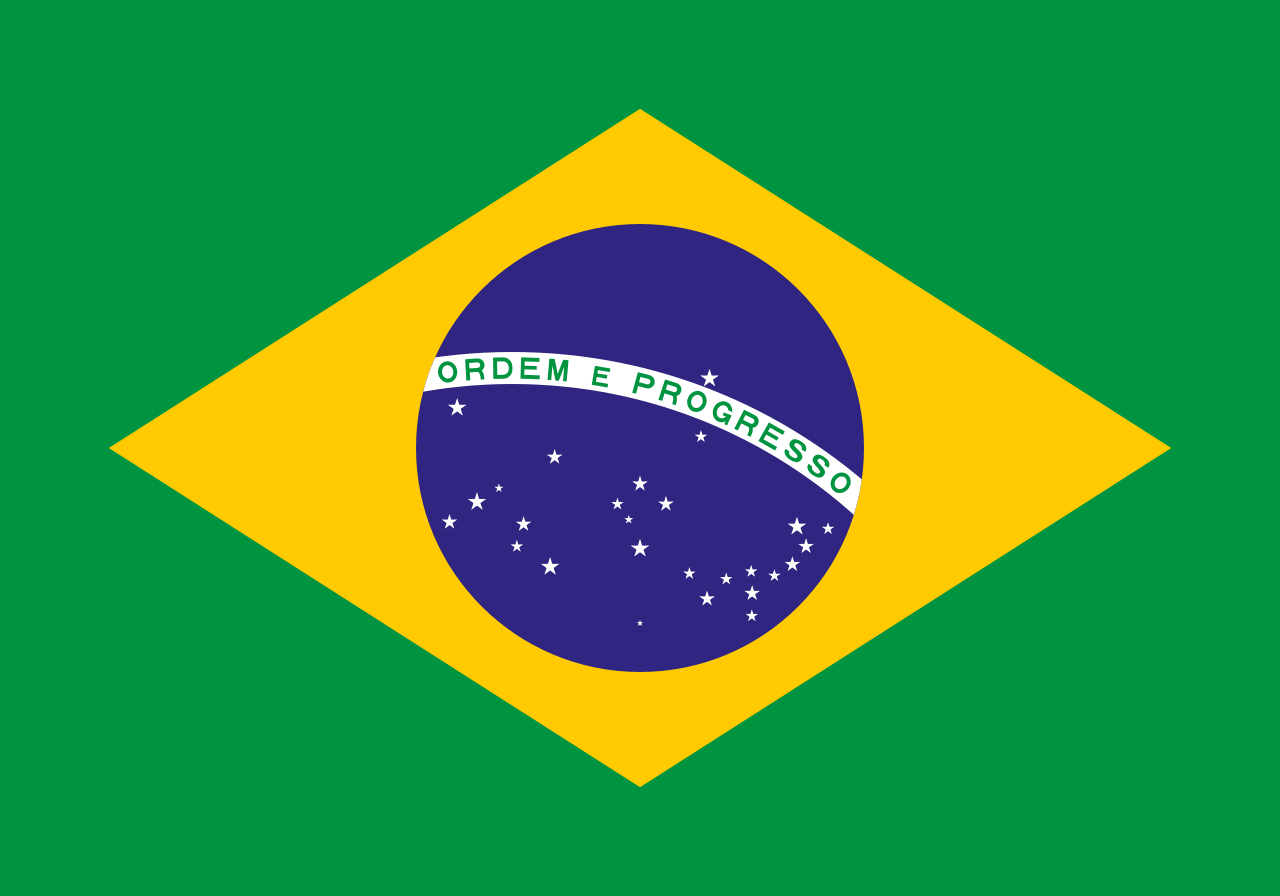
Brazil


Opens Google Maps in new tab
Geopolitical Significance and Environmental Imperative
Brazil's sheer size, covering approximately half of South America's landmass, grants it significant geopolitical influence. Its extensive borders, touching all South American nations except Ecuador and Chile, foster regional integration and potential for cooperation, while also presenting challenges in border management. The nation's eastern flank is defined by a vast 7,491-kilometer Atlantic coastline, crucial for trade and maritime activities.
However, Brazil's most globally significant geographical feature is its stewardship of the Amazon basin. This region harbors the world's largest river system and the most extensive tract of virgin tropical rainforest, a vital carbon sink and reservoir of unparalleled biodiversity. Brazil is recognized as the most megadiverse country on Earth, housing a significant percentage of the planet's species.
This ecological richness is not merely a national asset but a global one, directly impacting climate regulation and biodiversity conservation worldwide. Environmental degradation, particularly deforestation in the Amazon, carries profound global consequences, underscoring Brazil's critical role in international environmental policy and climate change mitigation efforts.
A Complex Historical Trajectory
Brazil's history is a complex tapestry woven from indigenous resilience, colonial exploitation, and the struggle for self-determination. Initially inhabited by diverse indigenous groups, the arrival of Portuguese explorer Pedro Álvares Cabral in 1500 initiated a period of colonization. Portugal's claim led to the establishment of vast plantations, tragically fueled by the forced labor of enslaved Africans, a practice that deeply scarred the nation's social and economic fabric for centuries.
Brazil's colonial status evolved in 1815 when it was elevated to a united kingdom with Portugal. Independence was declared in 1822, leading to the establishment of the Empire of Brazil. The nation's foundational constitution in 1824 introduced principles of representative government while, paradoxically, retaining slavery until its final abolition in 1888. The transition to a presidential republic occurred in 1889 following a military coup.
The 20th century witnessed further political turbulence, including the Estado Novo dictatorship under Getúlio Vargas and a subsequent period of military rule from 1964 to 1985. Brazil's current democratic framework, enshrined in the 1988 constitution, represents the culmination of these historical struggles and transformations.
Cultural Vibrancy and Societal Dynamics
With a population exceeding 213 million, Brazil is a vibrant mosaic of ethnicities and cultural influences. Portuguese serves as the official language, a legacy of its colonial past, making Brazil the sole Portuguese-speaking nation in the Americas and a key member of the Community of Portuguese Language Countries. Brazilian culture is globally celebrated for its infectious energy, particularly evident in its music and dance.
The annual Carnival festival is an unparalleled spectacle of elaborate costumes, samba rhythms, and joyous street celebrations, drawing millions of international visitors. Beyond Carnival, Brazilian culture is characterized by its diverse culinary traditions, its profound passion for football (soccer), and a strong emphasis on social connections. Major urban centers like São Paulo, the most populous city, and Rio de Janeiro are dynamic hubs that embody the nation's cultural dynamism and economic activity, reflecting both its historical roots and its modern aspirations.
Economic Powerhouse and Global Integration
Brazil stands as a significant economic force, ranking among the world's top ten largest economies by both nominal and Purchasing Power Parity (PPP) terms. It holds the position of the largest economy in Latin America and the Southern Hemisphere, demonstrating considerable wealth and market influence. Brazil's economy is highly diversified, excelling in the export of a wide array of agricultural products, including soybeans, coffee, and beef, as well as mineral resources like iron ore.
Its industrial sector is also robust, contributing to its status as a newly industrialized country. This economic prowess underpins Brazil's active participation in international forums such as the G20, BRICS, and the Organization of American States, where it advocates for its interests and engages in global economic governance. As an emerging global power, Brazil plays a crucial role in shaping regional and international economic policies.
The Educational Landscape and Future Development
Brazil's commitment to education is crucial for its continued development and its role as a global player. The nation's educational system is structured across various levels, from early childhood education to higher learning. While significant progress has been made in increasing access to education, challenges remain in ensuring quality and equity across its vast territory.
The government invests in educational infrastructure and programs aimed at improving literacy rates and providing vocational training. Brazil also boasts numerous renowned universities and research institutions, contributing to advancements in science, technology, and the humanities. The country's rich cultural heritage and unique environmental resources provide fertile ground for specialized academic study and research.
As Brazil navigates its path as a rising global power, strengthening its educational system is paramount to fostering innovation, economic growth, and social progress for its citizens.
Go deeper
Frequently Asked Questions
What is Brazil?+
Why is the Amazon rainforest important?+
How big is Brazil compared to other South American countries?+
When did Brazil become an independent country?+
What is the biggest celebration in Brazil?+
Based on content from Wikipedia · Licensed under CC BY-SA 4.0