

Gran Chaco: A Wild Land of Wonders!
Images
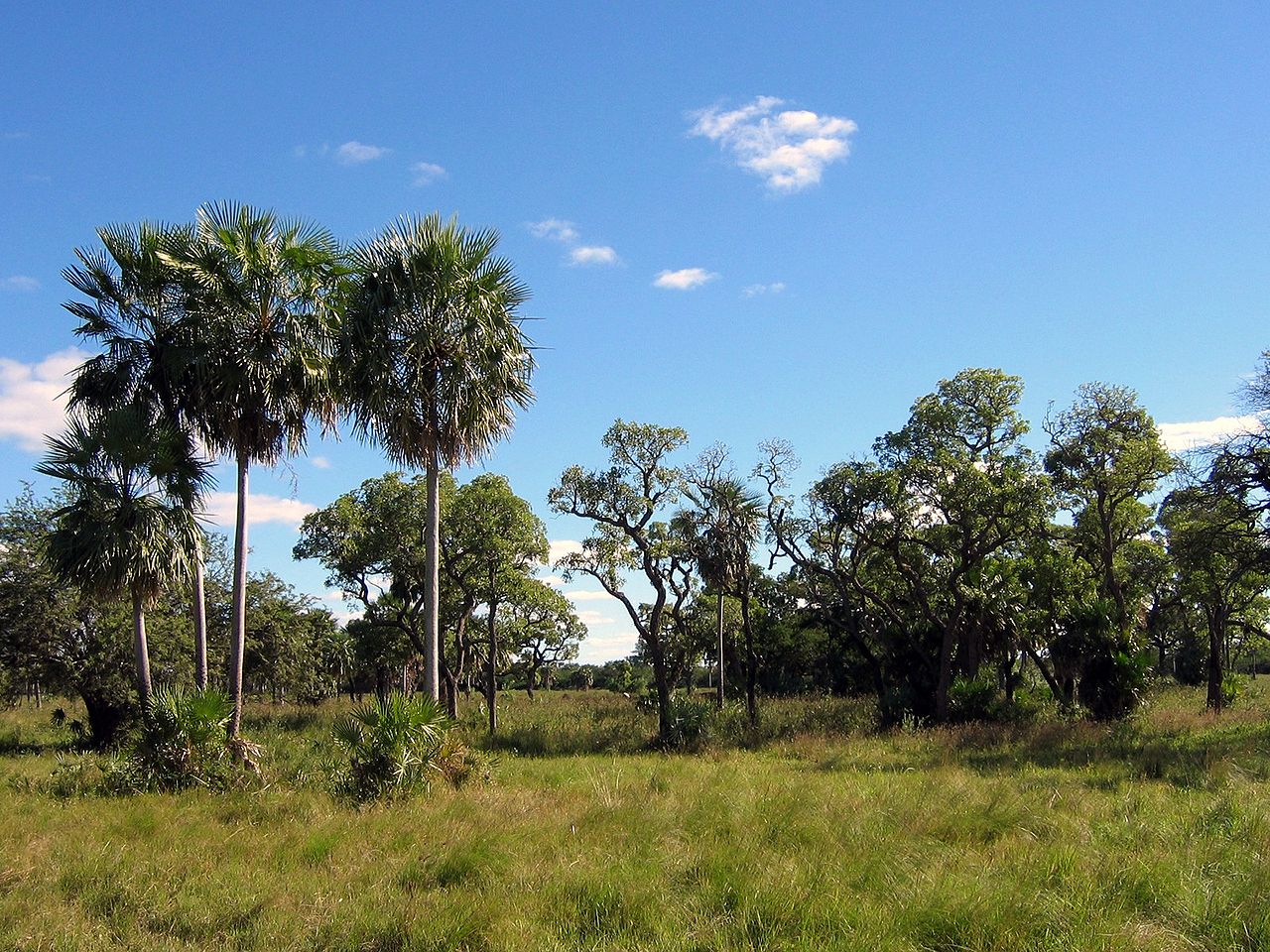
Gran Chaco
Geographic and Ecological Tapestry of the Gran Chaco
The Gran Chaco is a sprawling, semi-arid lowland basin in South America, encompassing approximately 647,000 square kilometers across northwestern Argentina, southwestern Bolivia, and western Paraguay. This immense region is characterized by its generally flat topography, with a gradual slope from north to south and west to east. Its climate is predominantly subtropical, marked by hot, humid summers and mild, dry winters, with rainfall patterns varying significantly across the region, leading to distinct ecological zones.
The Chaco is not a monolithic biome but rather a complex mosaic of ecosystems. These include the iconic dry forests, characterized by thorny, deciduous trees adapted to drought; open savannas and grasslands; palm savannas; and seasonally flooded wetlands, particularly in the eastern parts. This ecological diversity supports an extraordinary array of flora and fauna, many of which are endemic, meaning they are found nowhere else on Earth.
The region's hydrological system is also unique, with rivers that often disappear into the porous soil or form temporary lakes, influencing vegetation patterns and wildlife distribution.
Wildlife and Enduring Cultures
The Gran Chaco is a critical refuge for a remarkable diversity of wildlife. Iconic species include the jaguar (Panthera onca), puma (Puma concolor), and ocelot (Leopardus pardalis) as apex predators. The region is also a stronghold for the giant anteater (Myrmecophaga tridactyla) and the capybara (Hydrochoerus hydrochaeris), the world's largest rodent.
Birdlife is exceptionally rich, with over 500 species recorded, including various parrots, macaws, and raptors. The Chaco's biodiversity extends to its reptiles and amphibians, adapted to its varied terrestrial and aquatic environments. Equally significant is the human dimension of the Chaco.
It is the ancestral homeland of numerous indigenous peoples, including the Ayoreo, Toba (Qom), Wichi, Pilagá, and others. These communities possess profound traditional ecological knowledge, having lived in sustainable relationships with the land for millennia. Their cultures, languages, and livelihoods are intrinsically linked to the Chaco's natural resources, facing unique challenges in maintaining their identity and way of life in the face of external pressures.
Ecological Significance and Anthropogenic Pressures
The Gran Chaco holds immense ecological importance on both regional and global scales. Its extensive forests and grasslands act as vital carbon sinks, playing a role in climate regulation. The region's biodiversity is a global asset, providing genetic resources and ecological services.
For the indigenous populations, the Chaco is not just a habitat but the foundation of their cultural and spiritual existence. However, this invaluable bioregion is under severe threat. Large-scale deforestation, primarily driven by the expansion of cattle ranching and agriculture (especially soy cultivation), is rapidly transforming the landscape.
This habitat destruction leads to biodiversity loss, soil erosion, water scarcity, and fragmentation of ecosystems. The expansion of the agricultural frontier also encroaches upon indigenous territories, leading to social conflicts and the erosion of traditional ways of life. Conservation efforts are ongoing, but the scale of the challenge requires integrated approaches that balance economic development with ecological preservation and respect for human rights.
Adaptations and Resilience in the Chaco Landscape
The flora and fauna of the Gran Chaco exhibit remarkable adaptations to its challenging semi-arid conditions. The characteristic thorny trees, such as various species of Acacia and Prosopis, possess small leaves or spines to minimize water loss through transpiration and deter herbivores. Many plants have deep root systems to access scarce groundwater.
Animals have developed strategies to cope with heat and drought, including nocturnal activity, burrowing, and efficient water conservation. For instance, some reptiles can survive long periods without drinking by obtaining moisture from their food. The resilience of these species and ecosystems is being tested by the rapid pace of environmental change.
The fragmentation of habitats isolates populations, making them more vulnerable to extinction. Understanding these intricate adaptations is crucial for designing effective conservation strategies that aim to maintain the ecological integrity and resilience of the Gran Chaco in the face of escalating anthropogenic pressures.
Go deeper
Frequently Asked Questions
What is the Gran Chaco?+
Where is the Gran Chaco located?+
What kinds of animals live in the Gran Chaco?+
Why is the Gran Chaco important for the climate?+
What are the biggest problems the Gran Chaco faces?+
Based on content from Wikipedia · Licensed under CC BY-SA 4.0