

War on Terrorism
Images

Absolutely the stupidest salvo in the war on terror to date, Tesco's, Islington, London, UK


The Catalyst
The coordinated terrorist attacks on September 11, 2001, orchestrated by al-Qaeda, irrevocably altered the global security landscape. Nineteen operatives hijacked four commercial airliners, transforming them into weapons of mass destruction. The destruction of the World Trade Center's Twin Towers in New York City and the attack on the Pentagon near Washington D.C. resulted in nearly 3,000 fatalities, marking the deadliest foreign attack on U.S. soil.
The fourth plane, United Airlines Flight 93, crashed in Shanksville, Pennsylvania, after passengers and crew heroically attempted to regain control, thwarting the likely intended target in Washington D.C. This event served as the immediate and powerful impetus for a fundamental reorientation of U.S. foreign policy and international security paradigms.
Defining the Enemy
In the immediate aftermath of 9/11, U.S. President George W. Bush articulated a doctrine of global engagement against terrorism, famously declaring a 'War on Terrorism.' This was not conceived as a conventional war against a state actor but rather a protracted, multifaceted campaign targeting non-state actors and the regimes that supported them. The primary objective was to dismantle terrorist networks, particularly al-Qaeda and its leader, Osama bin Laden, and to prevent future attacks through a combination of military intervention, intelligence sharing, financial sanctions, and diplomatic pressure.
This broad definition allowed for a wide range of actions and alliances, fundamentally reshaping U.S. national security strategy for decades.
Theater of Operations
The initial phase of the War on Terrorism saw the U.S. and a coalition of allies launch Operation Enduring Freedom in Afghanistan in October 2001. The objective was to dismantle al-Qaeda's sanctuary and overthrow the Taliban regime, which had provided safe haven. This intervention initiated a protracted conflict that lasted twenty years, becoming the longest war in U.S. history.
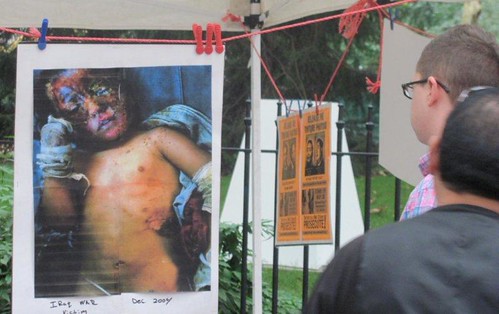
Subsequently, the focus shifted to Iraq with Operation Iraqi Freedom in March 2003, based on claims of weapons of mass destruction and links to terrorism, though these justifications later proved controversial and largely unfounded. The War on Terrorism also encompassed operations in numerous other countries, including Pakistan, Yemen, Somalia, and the Philippines, reflecting the global nature of the threat.
Transforming Security
The War on Terrorism precipitated sweeping changes in domestic security measures and international cooperation. In the United States, the Department of Homeland Security was created, and the PATRIOT Act was enacted, expanding government surveillance powers. Airport security underwent a radical overhaul with enhanced screening protocols and the establishment of the Transportation Security Administration (TSA). Globally, nations increased intelligence sharing, implemented stricter border controls, and engaged in counter-terrorism financing efforts.
While these measures aimed to enhance safety, they also ignited significant debates regarding civil liberties, privacy rights, and the balance between security and freedom.
Enduring Legacies and Ongoing Debates
The War on Terrorism has left an indelible mark on the 21st century. Its long-term consequences include the protracted conflicts in Afghanistan and Iraq, the rise of new extremist groups like ISIS, and a persistent global focus on counter-terrorism. The immense financial and human costs of these interventions continue to be analyzed, alongside their geopolitical ramifications.
Debates persist regarding the effectiveness of military solutions versus diplomatic and developmental approaches to combating radicalization, the ethical implications of drone warfare and targeted killings, and the challenge of achieving lasting stability in regions affected by prolonged conflict. Understanding this complex period is crucial for comprehending contemporary international relations and the ongoing struggle for global security.
See also
Based on content from Wikipedia · Licensed under CC BY-SA 4.0