

Afghanistan
Images
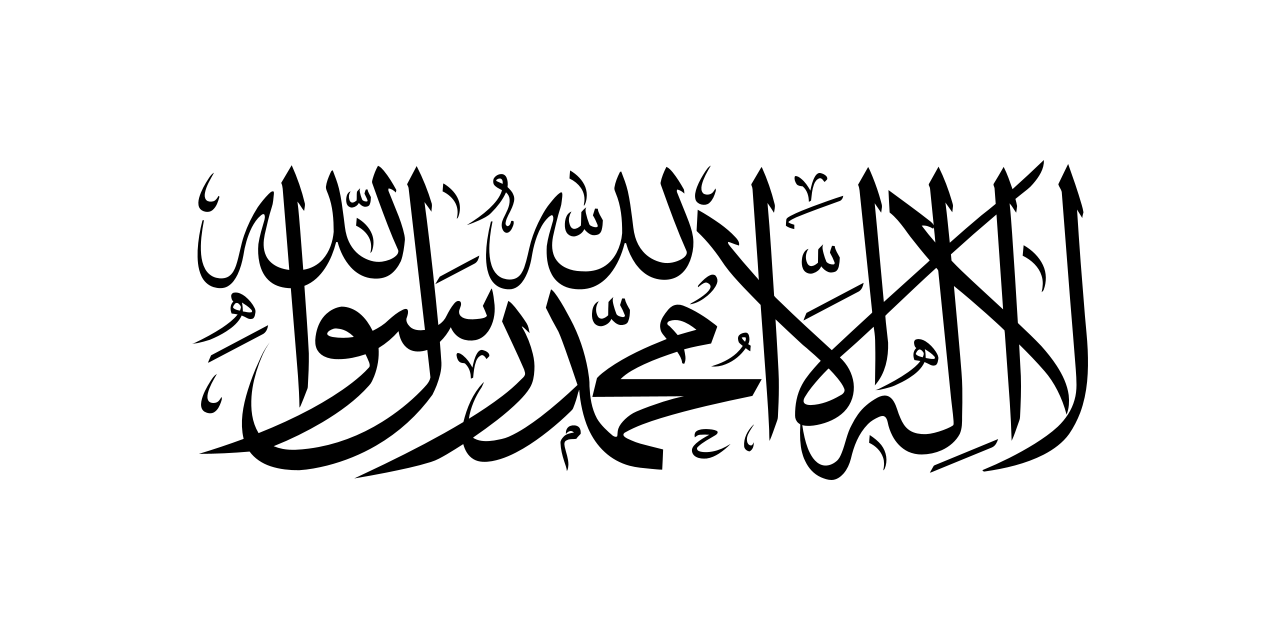
Afghanistan


![Women’s meeting to bring change to Eastern Afghanistan [Image 6 of 9]](https://live.staticflickr.com/5099/5447684077_61d9e674cd_n.jpg)

![ISAF Commander visits the National Military Hospital in Kabul, Afghanistan [Image 5 of 6]](https://live.staticflickr.com/3760/9401056053_9ed55aef84_n.jpg)

![CSA visits troops in southern Afghanistan with John Harbaugh [Image 5 of 12]](https://live.staticflickr.com/7384/12370941754_01ea7d21e0_n.jpg)
Opens Google Maps in new tab
The Strategic Stage
Afghanistan's geographical position is profoundly strategic, situated at the confluence of Central and South Asia. This landlocked nation, covering 652,864 square kilometers, is dominated by the formidable Hindu Kush mountain range, which acts as a natural barrier and divides the country's plains. This rugged terrain has historically presented immense challenges for military campaigns and infrastructure development, contributing to its reputation as a difficult land to control.
Its borders with six countries-Pakistan, Iran, Turkmenistan, Uzbekistan, Tajikistan, and China-underscore its role as a historical transit point for trade, migration, and conquest. This geopolitical significance has made Afghanistan a focal point for regional and global powers throughout history, often leading to external interventions and conflicts.
A Tapestry Woven Through Millennia
The human habitation in Afghanistan stretches back to the Middle Paleolithic era, indicating a long and continuous presence. Its history is a chronicle of successive empires and cultural exchanges, earning it the moniker 'graveyard of empires.' From the Achaemenid Persians and Alexander the Great's Hellenistic influence to the Maurya Empire, Arab conquests, and the Mongol invasions, Afghanistan has been a crucible of civilizations. It served as a vital hub where Zoroastrianism, Buddhism, Hinduism, and later Islam flourished and interacted.
The modern state began to coalesce with the Durrani Empire in the 18th century, evolving through periods as a buffer state in the Great Game between the British and Russian Empires. Its struggle for independence culminated in the early 20th century, leading to a monarchy that lasted until the late 1970s, after which a period of intense conflict and transformation began.
The Enduring Spirit
Afghanistan is home to an estimated 40 to 50 million people, representing a diverse mosaic of ethnic groups, including Pashtuns, Tajiks, Hazaras, Uzbeks, and others. The official languages are Dari and Pashto, but numerous dialects and regional languages are spoken, reflecting this rich ethnic diversity. Afghan culture is characterized by strong traditions of hospitality, family ties, and a deep connection to Islamic faith.
Historically, the region has been a vibrant center for arts, literature, and philosophy, influenced by its position between major cultural spheres. Despite periods of immense hardship and conflict, Afghan society demonstrates remarkable resilience, with traditions of storytelling, music, poetry, and intricate crafts like carpet weaving continuing to be vital expressions of cultural identity.
Resilience and Resources
Afghanistan's economy is characterized by its significant natural resource potential, including substantial deposits of lithium, iron ore, zinc, and copper. It is also a world leader in the production of certain agricultural products, ranking second for cannabis resin and third for saffron and cashmere. However, decades of conflict have severely hampered economic development, leading to high levels of poverty and underdevelopment.
The agricultural sector remains a primary source of livelihood for a large portion of the population, with traditional farming practices prevalent. Efforts to rebuild and diversify the economy face ongoing challenges, including security concerns, infrastructure deficits, and the need for international investment and stability.
Navigating Governance and Development
Afghanistan's governance structures have undergone significant shifts, particularly since the late 20th century, marked by coups, invasions, and civil wars. The country has experienced various political systems, from monarchies and republics to the establishment of Islamic emirates. The educational landscape has been profoundly impacted by these historical events.
While education is recognized as crucial for national development, access and quality have been inconsistent, particularly for girls and women in certain periods. Despite these challenges, there is a strong desire within Afghan society for education as a pathway to opportunity and stability. Rebuilding and strengthening the education system is a critical component of Afghanistan's long-term recovery and progress, aiming to equip future generations with the knowledge and skills needed to rebuild their nation.
Go deeper
Frequently Asked Questions
What makes Afghanistan's mountains special?+
Why do people call Afghanistan a "graveyard of empires"?+
How many people live in Afghanistan?+
What languages do people speak in Afghanistan?+
What natural resources does Afghanistan have?+
Based on content from Wikipedia · Licensed under CC BY-SA 4.0