

Philippines
Images
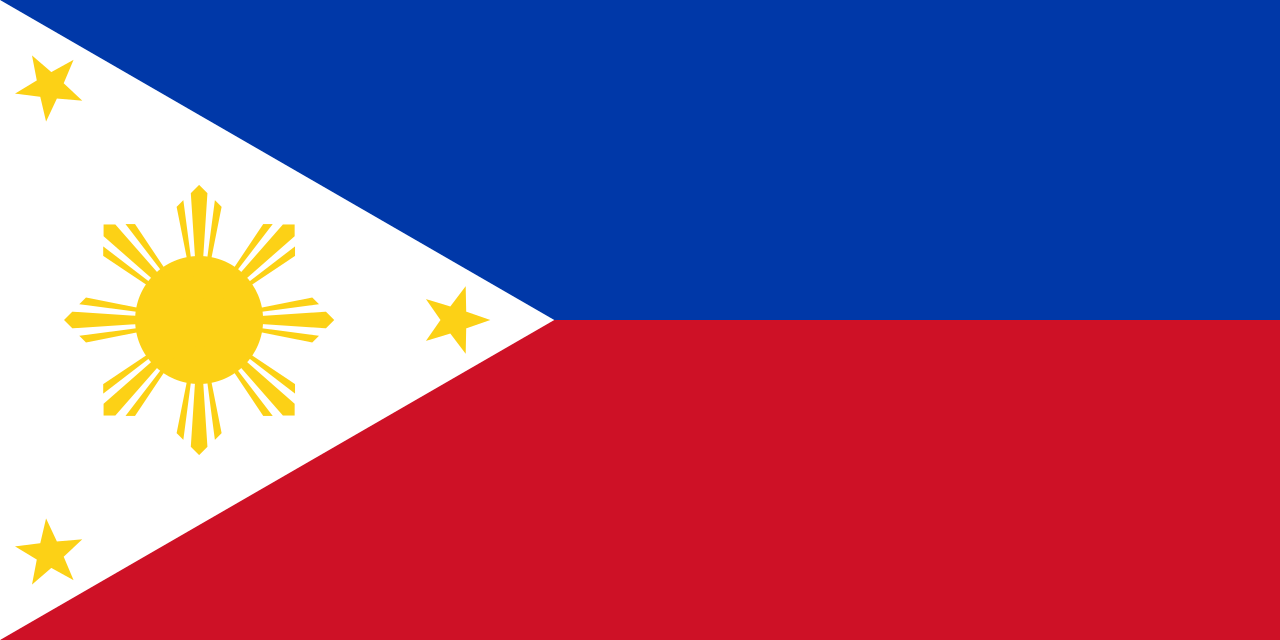
Philippines
Opens Google Maps in new tab
Geographical Identity
The Republic of the Philippines is an archipelagic nation strategically positioned in the western Pacific Ocean, forming a crucial part of Southeast Asia. Its defining characteristic is its vast archipelago, comprising an astonishing 7,641 islands. These islands are broadly organized into three major geographical divisions: Luzon, the largest and most populous island in the north; the Visayas, a central cluster of islands; and Mindanao, the second-largest island in the south.
This extensive island geography spans a total area of roughly 300,000 square kilometers. The nation's maritime borders are extensive, touching the South China Sea to the west, the Philippine Sea to the east, and the Celebes Sea to the south. It shares maritime boundaries with numerous countries, including Taiwan, Japan, Palau, Indonesia, Malaysia, Vietnam, and China, highlighting its central role in regional maritime affairs.
With a population exceeding 112 million, it ranks as the world's fourteenth-most-populous country, presenting both opportunities and challenges for governance and resource management.
A Tapestry of Migrations, Colonization, and Independence
The human history of the Philippines is a narrative of successive migrations and cultural intermingling. The earliest known inhabitants were the Negritos, followed by significant waves of Austronesian peoples who spread across the islands, establishing diverse linguistic and cultural groups. Early societies developed into island kingdoms, influenced by animism, Hinduism, and Islam, and engaged in extensive trade networks with neighboring empires, including China.
The arrival of Ferdinand Magellan in 1521 heralded the era of European colonization, with the Spanish explorer Ruy López de Villalobos later naming the archipelago 'las Islas Filipinas' in honor of King Philip II. Spanish rule lasted for over three centuries, profoundly shaping the nation's religious landscape, with Catholicism becoming dominant, and its economic structure, establishing Manila as a key trans-Pacific trade hub. The late 19th century saw the rise of the Philippine Revolution against Spanish rule, which became intertwined with the Spanish-American War.
Spain ceded the territory to the United States, leading to the Philippine-American War and the establishment of American colonial administration. Following Japanese occupation during World War II, the Philippines regained its independence in 1946. The post-independence period has been marked by significant political developments, including a period of martial law and the People Power Revolution, which restored democratic governance.
Ecological Significance and Vulnerability
The Philippines is globally recognized as a critical biodiversity hotspot, boasting an extraordinary array of endemic flora and fauna. Its tropical climate, diverse ecosystems ranging from coral reefs to rainforests, and geographical isolation have fostered unique evolutionary pathways. This rich natural heritage is a significant asset, contributing to ecological stability and providing resources.
However, the nation's location on the Pacific Ring of Fire makes it exceptionally vulnerable to natural disasters. It experiences frequent seismic activity, including earthquakes and volcanic eruptions. Furthermore, its position near the equator exposes it to intense monsoon rains and powerful typhoons, which can cause widespread devastation, impacting infrastructure, agriculture, and human lives.
This vulnerability necessitates robust disaster preparedness, mitigation strategies, and sustainable development practices that account for environmental risks. The country's commitment to conservation and climate resilience is therefore paramount for its future well-being and the preservation of its unique natural capital.
Socio-Economic Landscape and Cultural Dynamics
As an emerging market and a newly industrialized country, the Philippines is undergoing a significant economic transition, shifting from an agricultural base towards service- and manufacturing-centered industries. Its economy benefits from a large, relatively young, and English-speaking workforce, making it a hub for business process outsourcing and other service sectors. Manila serves as the capital and a major economic center, while Quezon City stands as the most populous city, highlighting the concentration of population and economic activity in the Metro Manila region.
The nation's culture is a vibrant synthesis of indigenous traditions, colonial influences (primarily Spanish and American), and contributions from various Asian and global interactions. This rich cultural mosaic is evident in its languages, arts, cuisine, and festivals. Despite economic progress, the Philippines continues to grapple with persistent challenges, including income inequality, corruption, and the ongoing need to address the impacts of natural disasters.
Its active participation in regional forums like ASEAN underscores its commitment to international cooperation and its role in shaping regional stability and economic integration.
Go deeper
Based on content from Wikipedia · Licensed under CC BY-SA 4.0