

Pakistan
Images
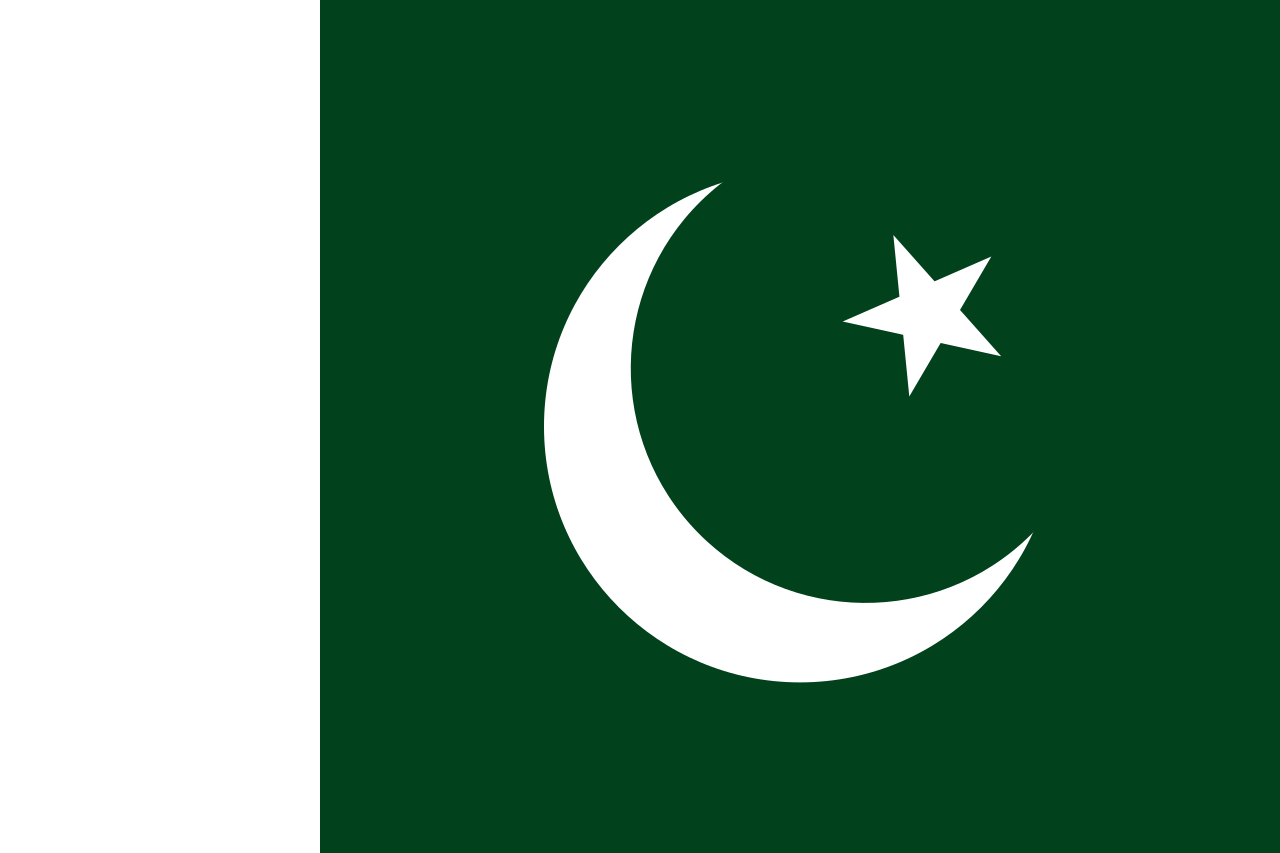
Pakistan
Opens Google Maps in new tab
Geostrategic Location and Diverse Topography
Pakistan occupies a pivotal location in South Asia, serving as a bridge between the Middle East, Central Asia, and South Asia. Its southern coastline borders the Arabian Sea and the Gulf of Oman, providing crucial maritime access. To its east lies India, to the west Afghanistan, to the southwest Iran, and to the northeast China.
The country's geography is remarkably varied, encompassing the towering peaks of the Himalayas, Karakoram, and Hindu Kush ranges in the north, which include K2, the world's second-highest mountain. These formidable mountains give way to the vast Indus River plains, a fertile agricultural heartland, and then transition into arid deserts and coastal regions in the south. This diverse topography influences climate patterns, leading to extreme temperatures ranging from arctic cold in the northern highlands to scorching heat in the southern plains and coastal areas, impacting everything from agriculture to human settlement.
A Tapestry of Ancient Civilizations and Imperial Legacies
The territory of modern Pakistan is a cradle of ancient civilizations, boasting sites like Mehrgarh, dating back 8,500 years, and the sophisticated Indus Valley Civilization, renowned for its urban planning and advanced sanitation systems. Over millennia, this land was a crossroads for empires and dynasties, including the Achaemenids, Mauryans, Kushans, Guptas, Umayyads, Ghaznavids, Delhi Sultanate, Mughals, and the British Raj. Each era left indelible marks on the region's architecture, language, and culture.
The modern state of Pakistan emerged in 1947 following the partition of British India, driven by the Pakistan Movement seeking a homeland for Muslims. This complex historical trajectory has endowed Pakistan with a profound cultural heritage, evident in its ancient ruins, Mughal-era forts, and diverse traditions that reflect centuries of interaction and influence.
Demographic Dynamics and Cultural Mosaic
As the world's fifth-most populous country, Pakistan is home to over 241.5 million people, with the second-largest Muslim population globally. This demographic scale presents both opportunities and challenges. The nation is ethnically and linguistically diverse, with major groups including Punjabis, Pashtuns, Sindhis, Balochis, and Muhajirs, each contributing unique cultural elements. Urdu serves as the national language, fostering a sense of unity, while numerous regional languages like Punjabi, Sindhi, Pashto, and Balochi are widely spoken.
Pakistani culture is a vibrant blend of Islamic traditions, regional customs, and influences from its historical past. This diversity is reflected in its festivals, music, art, cuisine, and social practices, creating a rich and dynamic national identity. The country's social fabric is characterized by strong family ties and community bonds.
Economic Landscape and Development Trajectory
Pakistan is classified as a developing country with a significant emerging economy. Its economic activities are diverse, with agriculture remaining a cornerstone, producing key crops like wheat, cotton, rice, and sugarcane. The industrial sector includes textiles, manufacturing, and services. Karachi, the largest city, is the nation's financial and economic hub, playing a vital role in international trade.
Pakistan is recognized as a middle power with a large and rapidly growing middle class. However, the economy faces persistent challenges, including poverty, inflation, and the need for structural reforms. The nation is actively pursuing economic growth through investment, trade agreements, and development initiatives, aiming to leverage its strategic location and human capital.
Governance, Geopolitics, and Societal Challenges
Pakistan is an Islamic Republic with a parliamentary system of government, headed by a President and a Prime Minister. Its political history since independence has been marked by periods of both democratic rule and military dictatorships, contributing to political instability. Islamabad serves as the federal capital, while Karachi remains the largest city and economic powerhouse.
Pakistan plays a significant role in regional geopolitics, particularly concerning its relationships with India and Afghanistan, and its strategic alliances. The country is a declared nuclear-weapons state and a member of various international organizations, including the UN and SCO. Despite its strengths, Pakistan continues to grapple with significant societal challenges, including poverty, illiteracy, corruption, and terrorism, which impact its development and stability.
Educational attainment is a key focus for national progress.
Go deeper
Frequently Asked Questions
What is Pakistan?+
Why is Pakistan called a bridge between different regions?+
Where can you find the world's second-highest mountain?+
How many people live in Pakistan?+
What are some of the main crops grown in Pakistan?+
Based on content from Wikipedia · Licensed under CC BY-SA 4.0