

The Awesome Viking Age!
Images
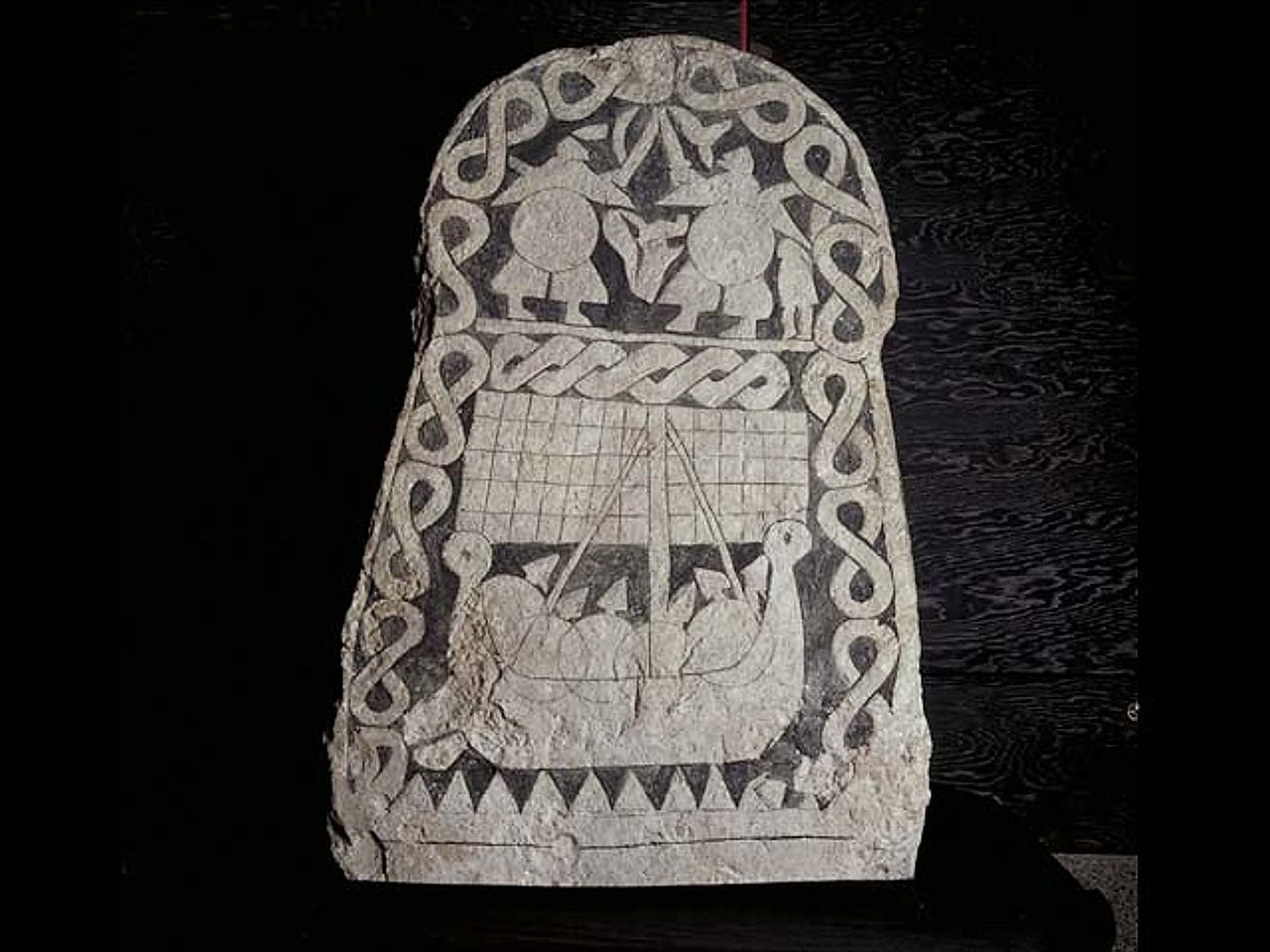
Viking Age
The Genesis and Character of the Viking Expansion
The Viking Age, conventionally dated from the late 8th century to the mid-11th century, represents a pivotal era characterized by the outward expansion of Scandinavian peoples. The traditional starting point is the raid on Lindisfarne in 793 AD, an event that dramatically announced the arrival of Norse seafarers on the European stage. The motivations behind this expansion are complex and debated, likely a confluence of factors including demographic pressures in Scandinavia, opportunities for acquiring wealth and status through raiding and trade, the development of sophisticated shipbuilding technology, and possibly political fragmentation and competition within Scandinavia itself.
These Norse peoples, encompassing Danes, Norwegians, and Swedes, were not a monolithic entity but a diverse collection of societies united by shared linguistic, religious, and cultural traits, engaging in a spectrum of activities from brutal raiding to extensive long-distance trade and settlement.
Technological Prowess and Maritime Dominance
Central to the Viking Age was the unparalleled maritime technology of the Norse. The iconic longship, a masterpiece of clinker-built construction, was remarkably versatile. Its symmetrical design allowed for quick reversals, its shallow draft enabled navigation of rivers and coastal waters inaccessible to deeper-keeled vessels, and its combination of sail and oar provided speed and maneuverability.
This technological advantage facilitated both swift raids on vulnerable settlements and ambitious voyages of exploration and trade. Viking voyages extended across the North Atlantic, leading to the settlement of Iceland and Greenland, and even reaching the shores of North America (Vinland) around 1000 AD, centuries before Columbus. Their reach also extended eastward, with Norse traders and mercenaries traveling along river systems through Eastern Europe, reaching as far as the Byzantine Empire and the Abbasid Caliphate, establishing vital trade networks.
Beyond the Warrior Archetype
While the image of the Viking warrior is potent, it overshadows the equally significant roles of traders, explorers, and settlers. Viking society was hierarchical, with distinct social classes ranging from chieftains and free farmers (karls) to thralls (slaves). Trade was a cornerstone of their economy, with major emporia like Hedeby and Birka serving as cosmopolitan hubs where goods from across the known world were exchanged.
Archaeological evidence reveals extensive networks for acquiring and distributing items such as silver dirhams from the East, Frankish glass, and Byzantine silks. Furthermore, Viking expansion was not solely transient raiding; it involved substantial settlement. Groups of Norsemen established permanent communities in the Danelaw in England, parts of Scotland and Ireland, and the aforementioned North Atlantic settlements, profoundly influencing the political, social, and linguistic landscapes of these regions.
The Transformation and Enduring Impact of the Viking Age
The Viking Age gradually waned by the mid-11th century. This decline was influenced by several factors: the consolidation of powerful kingdoms in Scandinavia, the increasing adoption of Christianity which fostered integration into broader European political and religious structures, and the growing effectiveness of defenses in regions previously targeted by raids. However, the legacy of the Viking Age is indelible.
Their explorations expanded European geographical knowledge and initiated sustained contact between disparate cultures. Their settlement patterns left lasting imprints on language, law, and place names in areas like Britain and Ireland. The rich corpus of sagas and the tangible evidence from archaeological sites continue to provide invaluable insights into their complex societies, their adventurous spirit, and their transformative role in shaping the early medieval world.
Go deeper
Frequently Asked Questions
What was the Viking Age and when did it happen?+
Why did Vikings travel so far and raid other places?+
What were longships and why were they special?+
Did Vikings only raid or did they do other things?+
How did the Viking Age end?+
Based on content from Wikipedia · Licensed under CC BY-SA 4.0