

Sweden
Images
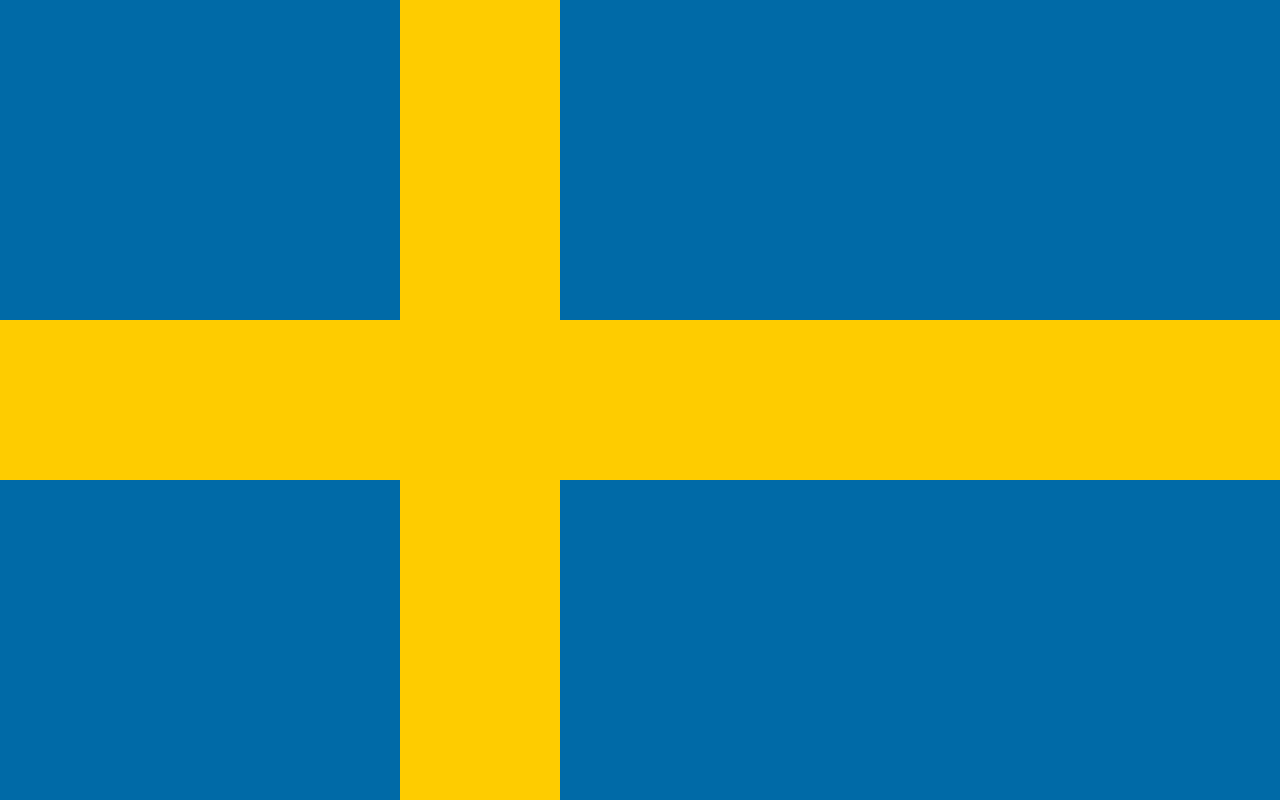
Sweden
Opens Google Maps in new tab
Geographical Extent and Environmental Diversity
Sweden's geographical footprint is substantial, covering 450,295 square kilometers, making it the largest country in the Nordic region and the fifth-largest in Europe. Situated on the Scandinavian Peninsula, it shares extensive western and northern borders with Norway and a border with Finland to the east. This considerable north-south length, spanning from approximately 55°N to 69°N latitude, results in a remarkably diverse climate.
Northern Sweden experiences subarctic conditions with long, cold winters and short summers, while the southern regions enjoy a more temperate climate. This climatic variation influences the country's ecosystems, supporting vast boreal forests in the north and more deciduous woodlands further south. Despite its size, Sweden has a low population density of about 25.5 inhabitants per square kilometer, with 88% of its 10.6 million people concentrated in urban areas, primarily in the central and southern halves.
This distribution leaves large tracts of the country remarkably wild and sparsely populated, offering significant opportunities for nature-based tourism and conservation efforts.
A Chronicle of Power and Transformation
Sweden's recorded history stretches back to prehistoric times, with its inhabitants emerging as distinct groups like the Geats and Swedes, integral to the seafaring Norsemen. The establishment of a unified Swedish state in the late 10th century marked a significant turning point. A pivotal moment in Scandinavian history was the formation of the Kalmar Union in 1397, uniting Sweden, Norway, and Denmark, though Sweden eventually withdrew in 1523.
Sweden's rise to prominence as a great European power occurred during the 17th century, fueled by its involvement in the Thirty Years' War. For a period, the Swedish Empire commanded significant territories around the Baltic Sea. However, the 18th and 19th centuries saw the gradual loss of most overseas possessions.
A major territorial shift occurred in 1809 when the eastern half of the country, modern-day Finland, was ceded to Imperial Russia. Sweden's last direct involvement in warfare was in 1814, leading to a personal union with Norway, which dissolved peacefully in 1905. This long and complex history has shaped Sweden's national identity and its place in European geopolitics.
Societal Structure
Sweden is recognized globally for its highly developed society and its implementation of the Nordic model of social welfare. As a constitutional monarchy with a parliamentary democracy, legislative power resides in the unicameral Riksdag. The country is a unitary state, organized into 21 counties and 290 municipalities.
The cornerstone of Swedish society is its comprehensive social welfare system, which guarantees universal healthcare and free tertiary education for its citizens. This commitment to social equity is reflected in Sweden's consistently high rankings in quality of life, health, education, and gender equality. The nation also boasts the world's 14th highest GDP per capita, underscoring its economic strength alongside its social progress.
This blend of robust economic performance and a strong social safety net creates a unique societal framework that prioritizes citizen well-being and equal opportunity.
Economic Landscape
Sweden possesses a highly developed, export-oriented economy characterized by advanced engineering, telecommunications, and automotive industries. It is a global leader in innovation, consistently ranking high in technological adoption and research and development. Renowned multinational corporations such as IKEA, Volvo, Ericsson, and Spotify originate from Sweden, demonstrating its capacity for global market influence.
The country's economic success is further bolstered by its commitment to sustainability and green technologies. Sweden actively participates in international trade, contributing significantly to the global economy. Its economic policies often emphasize collaboration between government, industry, and labor, fostering a stable environment for business growth and technological advancement.
This dynamic economic model supports the nation's high standard of living and its progressive social policies.
A Foundation for Progress
Education is a fundamental pillar of Swedish society, deeply integrated into its social welfare system. Tertiary education, encompassing universities and university colleges, is tuition-free for Swedish and EU/EEA citizens, fostering accessibility and encouraging lifelong learning. The Swedish education system emphasizes critical thinking, creativity, and student-centered learning approaches.
From preschool through higher education, the focus is on developing well-rounded individuals equipped with the skills necessary for both personal fulfillment and contribution to the workforce. Sweden's commitment to education is a key factor in its high levels of human development, economic competitiveness, and societal well-being. The nation's investment in its people through education directly contributes to its reputation as a progressive and innovative country on the world stage.
Go deeper
Based on content from Wikipedia · Licensed under CC BY-SA 4.0