

Norway
Images
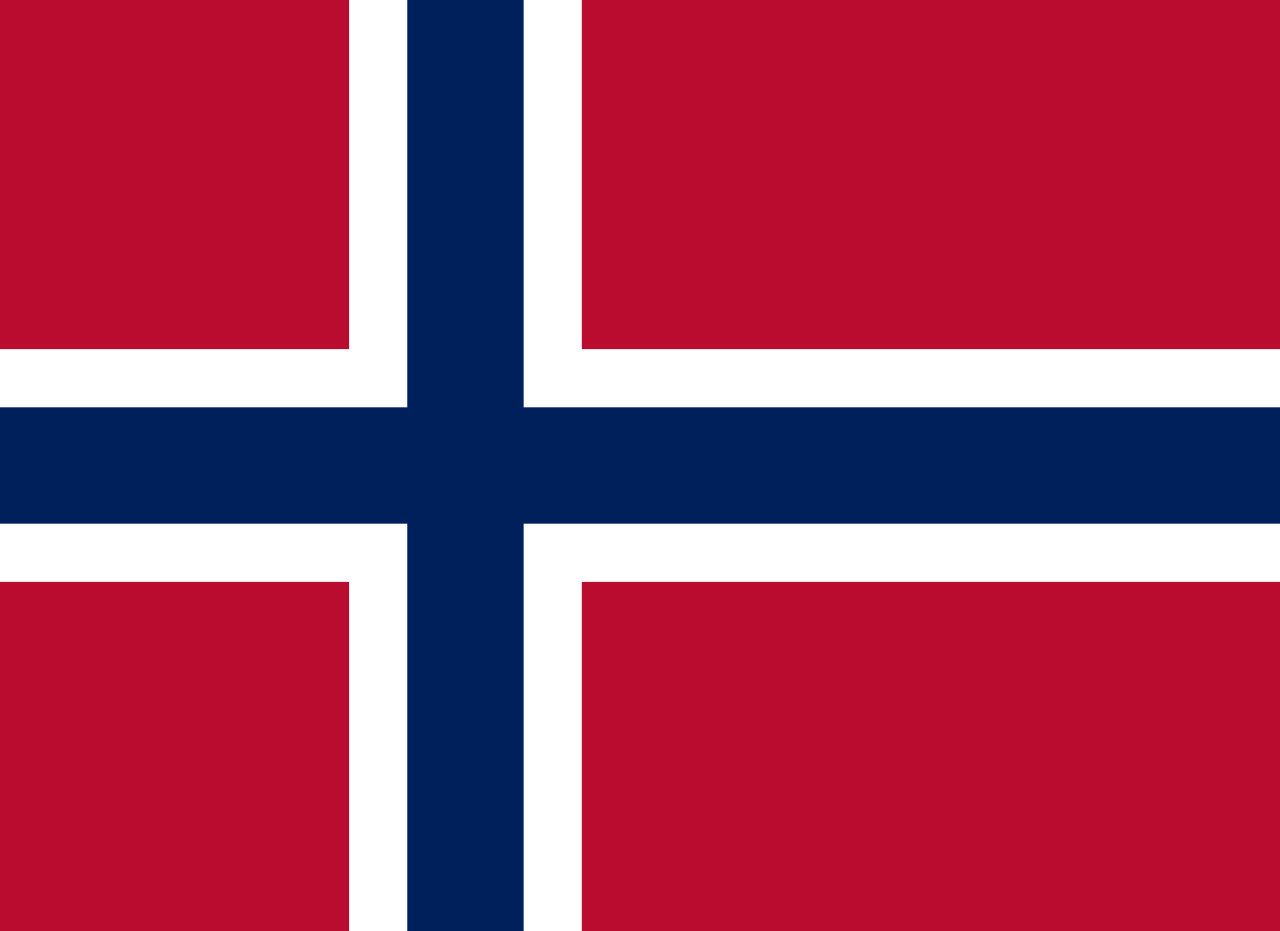
Norway
Opens Google Maps in new tab
Geographical Extremes and Enduring Landscapes
Norway's geography is defined by its dramatic interface between land and sea, characterized by an exceptionally long and intricate coastline, deeply indented by fjords. These glacial valleys, plunging hundreds of meters below sea level, are a defining feature of its western seaboard. The country's territory extends far into the Arctic, encompassing the Svalbard archipelago and the island of Jan Mayen, placing it at the forefront of Arctic governance and environmental concerns.
This high-latitude position results in unique climatic phenomena, including the midnight sun and prolonged polar nights, influencing ecosystems and human activity. Norway shares its eastern border with Sweden and has shorter frontiers with Finland and Russia to the northeast. Its maritime domain includes the Skagerrak strait, the North Atlantic, and the Barents Sea, crucial for its economy and international relations.
The sheer scale of its natural environment, from coastal plains to mountainous interiors and Arctic tundra, shapes its identity and resource base.
A Millennia of Sovereignty and Shifting Alliances
The Kingdom of Norway boasts a continuous history stretching back over 1,150 years, established in 872 through the unification of petty kingdoms. This long-standing sovereignty has been punctuated by periods of union with neighboring powers. From 1537 to 1814, Norway was part of the Denmark-Norway dual monarchy, and subsequently entered a personal union with Sweden from 1814 to 1905.
These eras significantly influenced Norway's administrative structures, legal systems, and cultural development. The 20th century brought further trials, including neutrality in World War I, followed by invasion and occupation by Nazi Germany in 1940 during World War II, an experience that profoundly impacted its national psyche and foreign policy. The establishment of its modern constitution in 1814 laid the groundwork for its current political system, emphasizing separation of powers and democratic principles.
The Nordic Model
Norway is a leading example of the Nordic welfare model, characterized by a strong commitment to egalitarianism, universal social services, and high levels of social trust. This system provides comprehensive healthcare, robust social security, and high-quality education accessible to all citizens, fostering a society with remarkable social cohesion and low inequality. The emphasis on human capital development is paramount, with education being a cornerstone of national policy.
The Sámi people, indigenous to the northern regions, possess a unique cultural heritage and enjoy a degree of self-determination through their own parliament and specific legislation, reflecting Norway's commitment to minority rights within its framework of governance. This societal structure contributes significantly to Norway's consistent ranking as one of the world's happiest nations.
Economic Powerhouse
Norway's economy is uniquely positioned, driven by substantial natural resource wealth, particularly petroleum and natural gas, making it a leading global producer outside the Middle East on a per capita basis. The petroleum sector accounts for a significant portion of its GDP, but the nation has strategically managed this wealth through its massive sovereign wealth fund, the Government Pension Fund Global, valued at over $1.3 trillion. This fund serves as a long-term investment vehicle, ensuring intergenerational equity and economic stability.
Beyond hydrocarbons, Norway has a strong presence in sectors like hydropower (a major source of renewable energy), fisheries and aquaculture, maritime industries, and increasingly, technology and innovation. Its economic success translates into exceptionally high per capita incomes, placing it among the top nations globally according to the World Bank and IMF.
Governance, Diplomacy, and International Engagement
As a unitary state with a constitutional monarchy, Norway's governance structure divides power among the parliament (Storting), cabinet, and supreme court, as outlined in its 1814 constitution. State power is further distributed across administrative and political subdivisions: counties and municipalities. Norway actively participates in international affairs, demonstrating a strong commitment to multilateralism.
It is a founding member of crucial global and regional organizations, including the United Nations, NATO, the European Free Trade Association (EFTA), the Council of Europe, and the Antarctic Treaty. It is also a member of the European Economic Area (EEA), the World Trade Organization (WTO), and the Organisation for Economic Co-operation and Development (OECD), underscoring its integration into the global economic and political landscape.
Its diplomatic efforts often focus on peace, development, and environmental stewardship.
Go deeper
Frequently Asked Questions
What makes Norway's coastline so special?+
Why does Norway have the midnight sun?+
How did Norway become a kingdom?+
What is Norway's welfare system like?+
Why is Norway known for oil and gas?+
Based on content from Wikipedia · Licensed under CC BY-SA 4.0