

Eastern Europe
Images
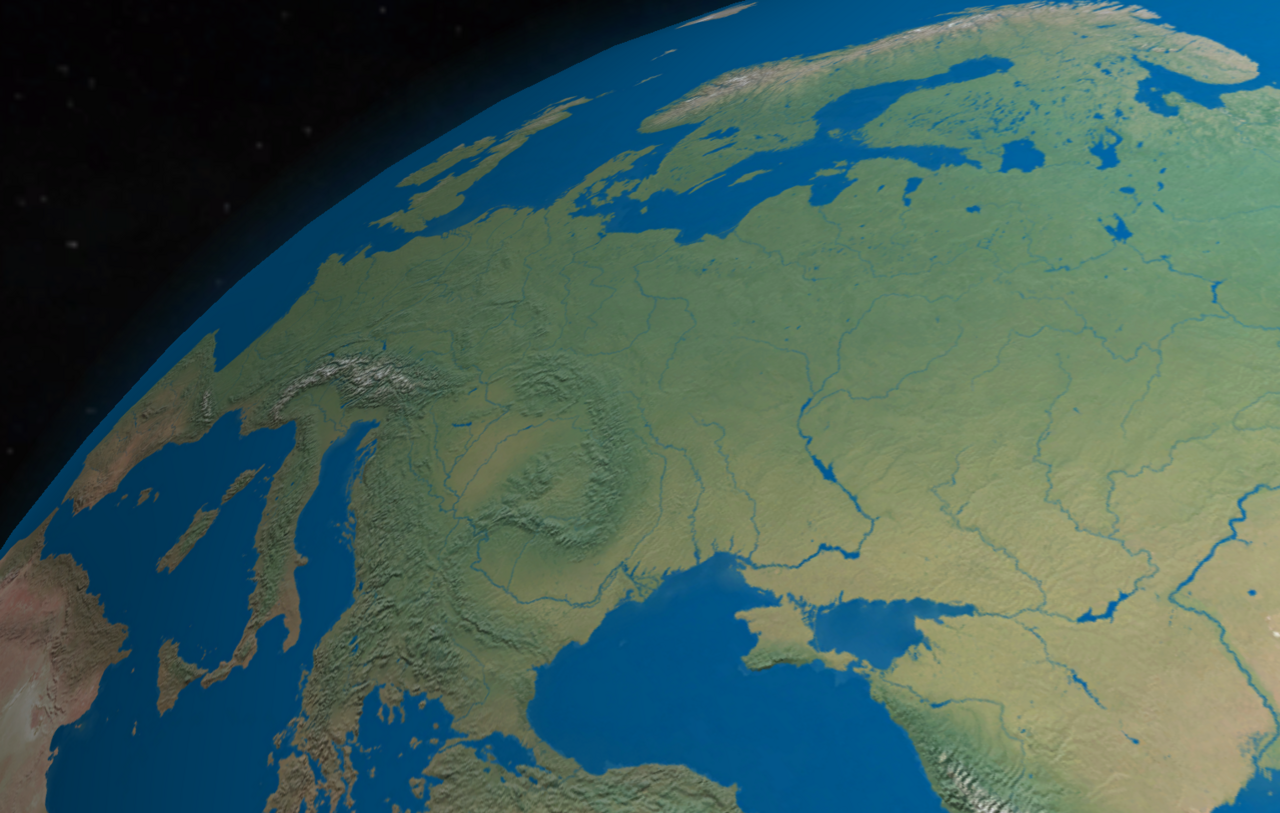
Eastern Europe
Defining the Undefined
The term 'Eastern Europe' is notoriously ambiguous, encompassing a wide spectrum of geopolitical, geographical, ethnic, cultural, and socio-economic interpretations. While the Ural Mountains often serve as a conventional eastern boundary separating Europe from Asia, the western demarcation remains fluid and contested. Narrow definitions, which often distinguish Central and Southeastern Europe as separate entities, typically include Belarus, Russia, and Ukraine.
Conversely, broader definitions extend to include Moldova and Romania, and may even encompass some or all of the Balkan states, the Baltic nations, the Caucasus region, and the Visegrád Group countries. Russia's sheer size and population make it a dominant geographical and demographic feature within any definition of Eastern Europe, profoundly influencing the region's overall character and historical narrative. This definitional ambiguity reflects the region's complex historical development and the overlapping influences of various civilizations and political entities.
The Crucible of Culture
The socio-cultural landscape of Eastern Europe is deeply rooted in the traditions of the Slavic peoples, whose languages, customs, and historical experiences have shaped much of the region's identity. This Slavic foundation has been further enriched and complicated by the profound influence of Eastern Christianity, which evolved significantly within the Eastern Roman (Byzantine) Empire. The spread of Orthodox Christianity, in particular, created a distinct cultural sphere.
Later, the expansion and influence of the Ottoman Empire across parts of Southeastern Europe introduced additional layers of cultural exchange and interaction, evident in architecture, cuisine, and social practices. These historical forces, alongside interactions with Western European cultures and indigenous traditions, have forged a unique and diverse cultural heritage that distinguishes Eastern Europe.
The Shadow of the Iron Curtain and Post-Cold War Realities
The geopolitical landscape of Eastern Europe was dramatically reconfigured during the Cold War era. The continent became ideologically divided by the 'Iron Curtain,' a term coined by Winston Churchill to describe the frontier between the Soviet Union's sphere of influence and the West. 'Eastern Europe' became largely synonymous with the communist states constituting the Eastern Bloc, operating under the political and economic dominance of the Soviet Union.
This period imposed a distinct trajectory on the region, characterized by centralized economies, single-party rule, and limited freedoms. The fall of the Berlin Wall in 1989 and the subsequent dissolution of the Soviet Union marked the end of this era, ushering in a period of transition, democratization, and market liberalization for many Eastern European nations. However, the legacy of this division continues to influence contemporary political, economic, and social dynamics.
Perceptions, Stereotypes, and Nuanced Understanding
It is crucial to acknowledge that the term 'Eastern Europe' has sometimes carried pejorative connotations, often stemming from stereotypes that portray the region as economically less developed or culturally inferior to Western Europe. These generalizations oversimplify the region's complexity and overlook its significant contributions. To foster a more neutral and accurate understanding, the term 'Central and Eastern Europe' is frequently employed, acknowledging the interconnectedness and shared historical experiences of these areas.
Recognizing the diversity within Eastern Europe, from its varied ethnic groups and languages to its distinct historical paths and contemporary challenges, is essential for a nuanced appreciation of its place in the global community. The region remains a vital area of study for understanding historical transitions, cultural resilience, and the evolving dynamics of the European continent.
Eastern Europe's Enduring Significance
Eastern Europe's significance extends far beyond its geographical boundaries. Historically, it has been a crossroads of empires and a cradle of diverse cultures, influencing global art, music, literature, and philosophy. Its strategic location has made it a pivotal area in numerous historical conflicts and political realignments, from the Mongol invasions to the World Wars and the Cold War.
Today, the region is a dynamic force in European politics and economics, with many nations actively participating in international organizations like the European Union and NATO. Its rich natural resources, burgeoning technological sectors, and vibrant cultural scenes contribute significantly to the global economy and cultural landscape. Understanding Eastern Europe is key to comprehending the broader narrative of European history and the ongoing processes of globalization and cultural exchange.
Go deeper
Frequently Asked Questions
What countries are usually included when we talk about Eastern Europe?+
Why is the border of Eastern Europe not clear?+
How did religion shape Eastern Europe's culture?+
What happened to Eastern Europe during the Cold War?+
Why do some people think Eastern Europe is less developed?+
Based on content from Wikipedia · Licensed under CC BY-SA 4.0