

Iceland: Land of Fire and Ice!
Images
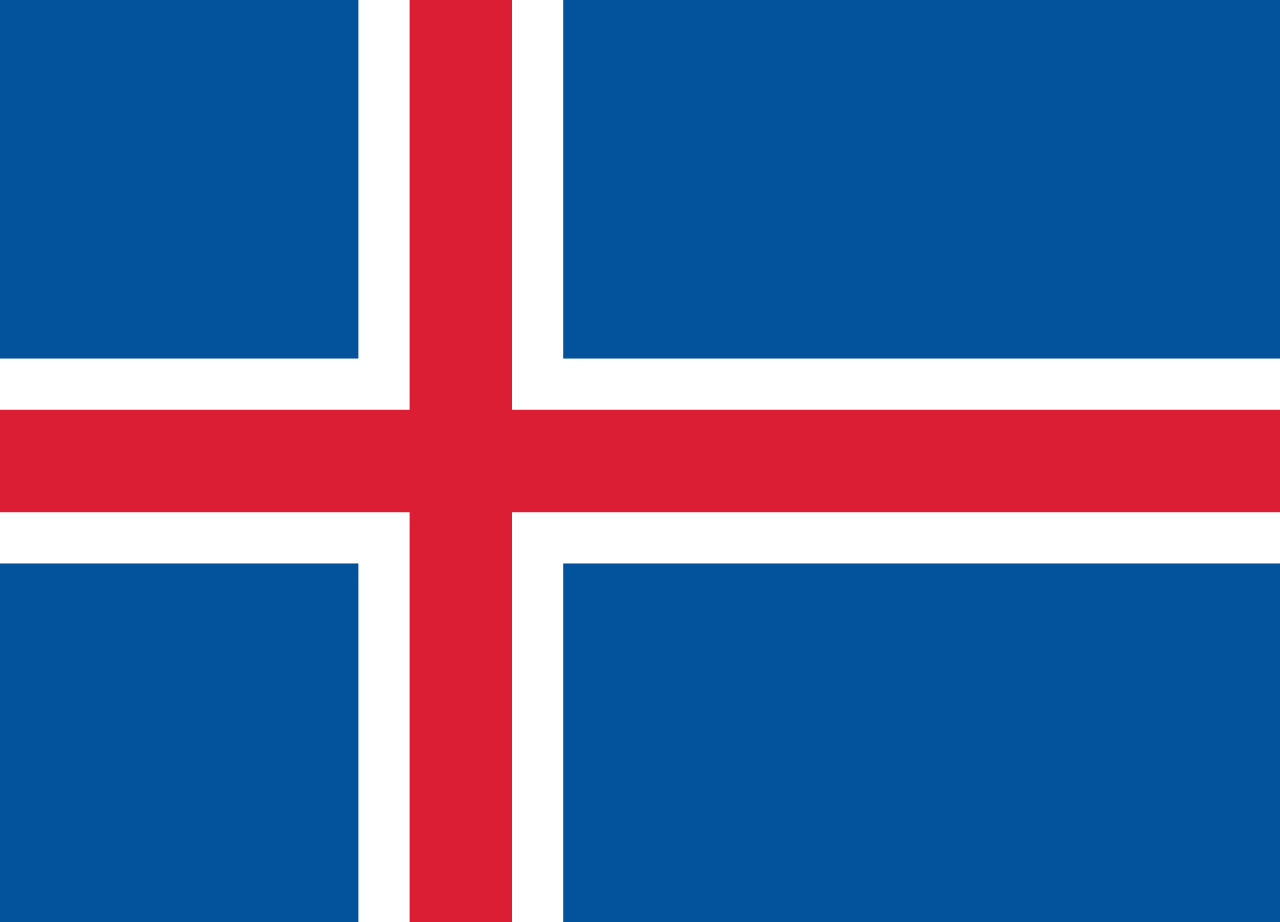
Iceland
Geological Crucible
Iceland's existence and character are fundamentally defined by its position astride the Mid-Atlantic Ridge, a divergent tectonic plate boundary. This geological hotspot is responsible for the island's intense volcanic activity, characterized by frequent eruptions and the formation of vast lava fields and volcanic plateaus that dominate the interior. The landscape is a dynamic interplay between fire and ice; while volcanic forces shape the land, massive glaciers, remnants of past ice ages and still covering significant portions of the island, sculpt the terrain through erosion and deposition.
This constant geological flux results in phenomena like geysers and abundant geothermal energy, which Iceland has masterfully harnessed. The island's latitude, just south of the Arctic Circle, combined with the moderating influence of the Gulf Stream, creates a unique temperate climate that supports life despite its northern location, though coastal areas experience chilly summers and much of the interior and highlands can be polar.
From Norse Settlement to Sovereign Republic
The settlement of Iceland began in 874 AD with Norwegian chieftain Ingólfr Arnarson, marking the start of a unique societal development. For centuries, Iceland functioned as an independent commonwealth, governed by its native parliament, the Althing, which stands as one of the world's oldest continuously functioning legislative bodies. This period of self-governance was followed by centuries of rule under Norway and then Denmark, largely due to political unions like the Kalmar Union and later Danish dominance.
The 19th century saw the rise of Icelandic nationalism, fueled by ideals of self-determination. This culminated in the Act of Union in 1918, establishing a sovereign kingdom in personal union with Denmark. During World War II, with Denmark occupied, Iceland seized the opportunity to vote for full independence, becoming a republic in 1944.
This historical trajectory highlights a persistent drive for autonomy and a distinct national identity.
Cultural Identity
Icelandic culture is deeply rooted in its Norse heritage, with the Icelandic language remaining remarkably close to Old Norse, preserving a linguistic link to its past that few nations possess. This linguistic conservatism is a cornerstone of national identity. The population, numbering around 390,000, is concentrated primarily in the capital, Reykjavík, fostering a strong sense of community. Icelanders embrace Nordic social welfare principles, prioritizing universal healthcare and tertiary education, which contribute to a high quality of life, robust social cohesion, and excellent rankings in global indices for education, civil liberties, and government transparency.
Despite its small size and relative isolation, Iceland has cultivated a vibrant arts scene, producing notable writers, musicians, and artists, reflecting a creative spirit shaped by both its unique environment and its historical experiences.
Economic Resilience
Iceland's economy has transformed from subsistence fishing and agriculture to a highly developed market economy. A pivotal factor in its modern economic success has been the strategic utilization of its abundant natural resources, particularly its geothermal and hydropower potential. These renewable energy sources provide nearly all of the country's electricity and heating, offering a significant competitive advantage and positioning Iceland as a global leader in sustainable energy.
Post-World War II, industrialization of the fisheries and Marshall Plan aid spurred significant growth. Today, alongside its strong fisheries sector, Iceland has diversified into finance, biotechnology, and manufacturing. Its integration into global economic frameworks, such as the European Economic Area, has further broadened its economic base, making it one of the wealthiest and most developed nations globally, characterized by relatively low taxes and high trade union membership.
Governance and International Standing
Iceland operates as a parliamentary republic, with its government led by a Prime Minister and a President serving as head of state. The Althing, its ancient parliament, continues to be the legislative body, underscoring its long tradition of democratic governance. In international affairs, Iceland maintains a unique position.
It is the smallest nation by population to be a member of NATO and notably, the only member without a standing army, relying instead on a lightly armed coast guard for defense. This reflects a historical commitment to peace and a focus on diplomatic solutions. Iceland's active participation in international organizations like the Council of Europe and its membership in the European Economic Area demonstrate its engagement with global governance and its commitment to international cooperation, while also navigating its distinct geopolitical and economic interests.
Go deeper
Based on content from Wikipedia · Licensed under CC BY-SA 4.0