

Tuff: The Rocky Stuff from Volcanoes!
Images
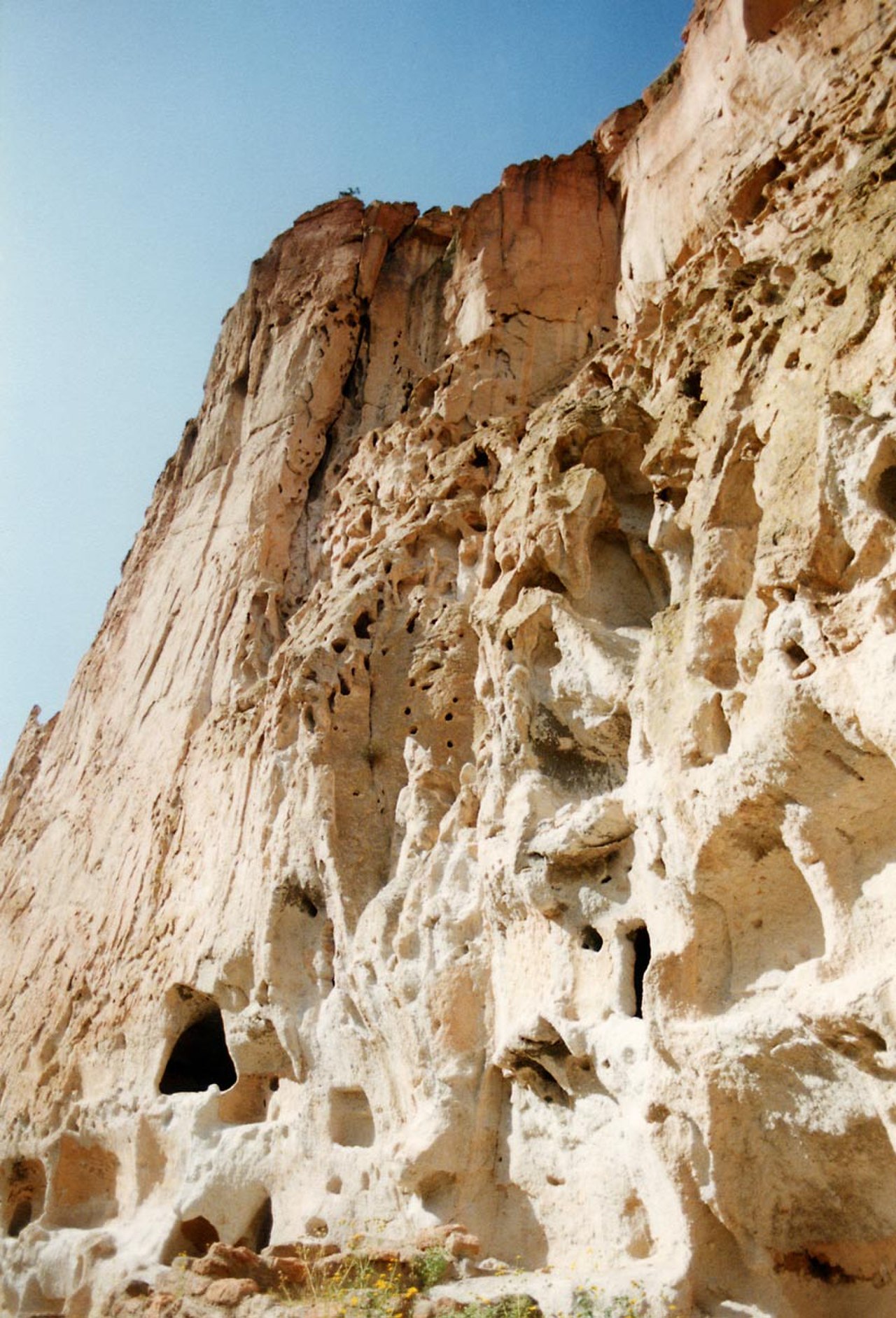
Tuff
The Genesis of Tuff
Tuff represents a significant category within igneous rocks, specifically classified as pyroclastic. Its formation is intrinsically linked to explosive volcanic activity, where fragmented volcanic material, known as tephra, is ejected into the atmosphere. This tephra can consist of volcanic ash (particles less than 2 mm in diameter), lapilli (2-64 mm), and volcanic bombs (larger fragments).
Upon deposition, particularly following hot pyroclastic flows, these particles can undergo a process called welding. High temperatures and pressures cause the glassy shards and mineral grains to deform and fuse together, creating a coherent rock. This lithification process, often aided by the precipitation of secondary minerals like zeolites or calcite in pore spaces, transforms loose ash deposits into solid tuff.
The texture of tuff can vary widely, from fine-grained and homogeneous to coarse-grained with visible fragments, reflecting the diverse nature of volcanic eruptions.
Tuff as a Cornerstone of Ancient Civilizations
The practical applications of tuff have profoundly influenced human settlement and architectural development. Its relative ease of extraction and workability, compared to harder igneous rocks like granite, made it a preferred building material for numerous ancient cultures. The Etruscans, who pre-dated the Romans in Italy, extensively quarried and utilized tuff for constructing their cities, tombs, and defensive walls, often carving dwellings directly into tuff cliffs.
The Romans inherited and expanded upon this practice, employing tuff for foundations, walls, and even elements of monumental structures like the Colosseum and aqueducts. The volcanic plains of Italy, rich in various types of tuff (e.g., peperino, tufo), provided an abundant and accessible resource that facilitated the growth of complex societies and enduring architectural legacies. The durability of tuff, despite its relative softness, has allowed many of these ancient constructions to survive for millennia.
Geological Significance and Modern Relevance
From a geological perspective, tuff formations are invaluable archives of past volcanic events. The layers of ash and debris preserve details about eruption intensity, duration, and the composition of the magma, allowing volcanologists to reconstruct volcanic histories and assess future risks. The study of tuff also contributes to understanding paleoclimates, as volcanic ash can be dispersed globally and preserve microfossils or chemical signatures.
In contemporary times, tuff continues to be used in construction, particularly in regions with abundant deposits, for facing stones, decorative elements, and in landscaping. Its porous nature is also explored in geotechnical engineering and hydrogeology for understanding subsurface water flow and contaminant transport. Furthermore, the unique aesthetic qualities of some tuffs, like those found in Cappadocia, Turkey, have led to their designation as UNESCO World Heritage sites, highlighting their cultural and natural importance.
Global Distribution and Varied Manifestations
Tuff is a globally distributed rock type, found in virtually any region that has experienced volcanic activity. Significant deposits exist in the Mediterranean basin, notably Italy (Campanian Ignimbrite, Orvieto tuff) and Greece. In the Americas, large tuff sheets are associated with caldera complexes like Yellowstone in the United States and Los Andes in South America.
Japan, New Zealand, and Indonesia, all part of the Pacific Ring of Fire, also feature extensive tuff formations. The specific characteristics of tuff-its color, texture, porosity, and strength-vary greatly depending on the source volcano, eruption style, and post-depositional processes. This variability makes each tuff deposit a unique geological entity with its own story to tell about the Earth's dynamic past.
Go deeper
Frequently Asked Questions
What is tuff?+
How does tuff form?+
Why do people build with tuff?+
Where can we find tuff?+
What can scientists learn from tuff?+
Based on content from Wikipedia · Licensed under CC BY-SA 4.0