

Indonesia
Images
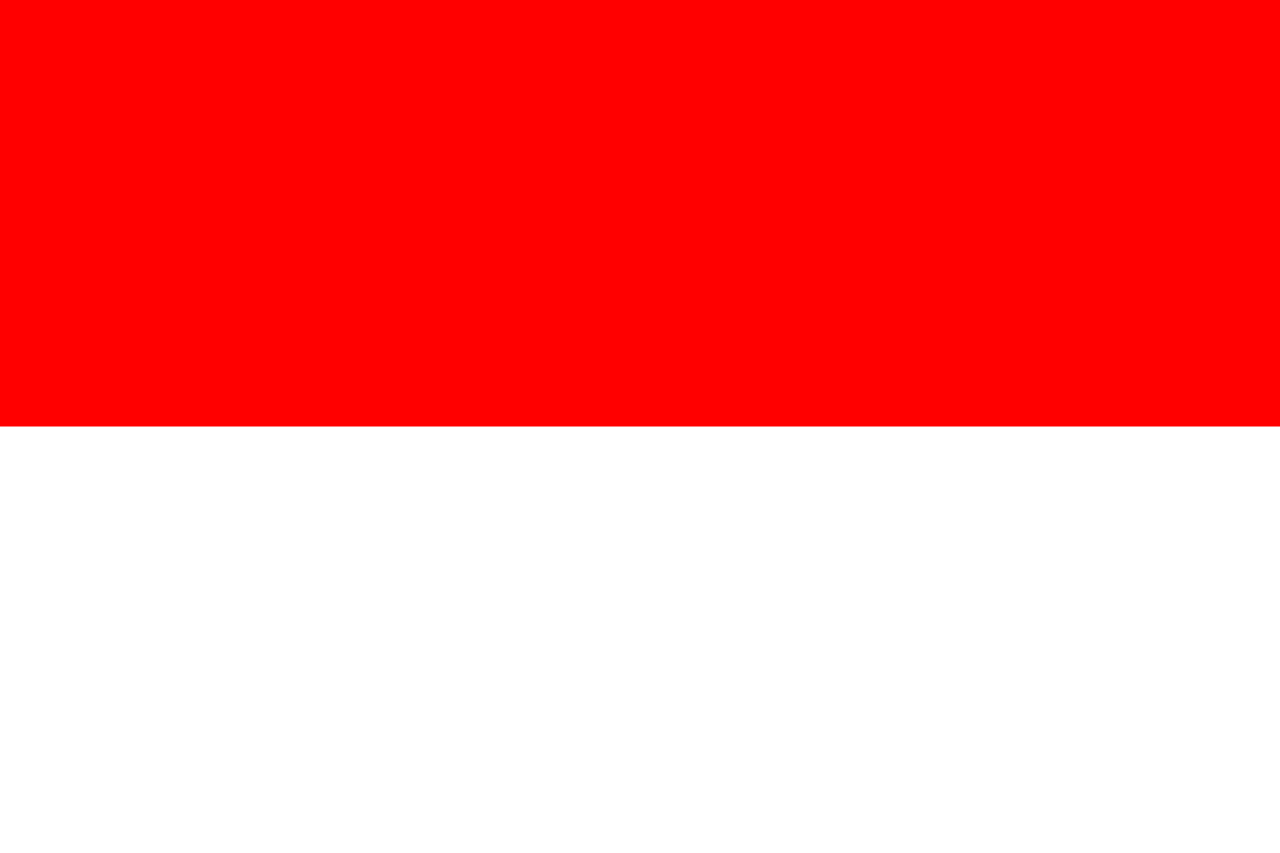
Indonesia
Opens Google Maps in new tab
Geographical Marvel
Indonesia's geography is its defining characteristic: it is the largest archipelagic state on Earth, comprising over 17,000 islands scattered across a vast expanse between the Indian and Pacific Oceans. This immense territory, covering 1,904,569 square kilometers, places it as the 14th largest country by area. Its strategic location straddling the equator results in a tropical climate characterized by high temperatures and humidity, fostering an extraordinary level of biodiversity.
Indonesia is a global hotspot for species diversity, housing a significant percentage of the world's plant and animal life within its rainforests, coral reefs, and volcanic landscapes. This geographical fragmentation presents unique challenges for national integration, infrastructure, and governance, yet it also creates distinct regional identities and ecosystems.
A Tapestry Woven Through Millennia
The Indonesian archipelago has been a nexus of trade and cultural exchange for over a millennium. Early maritime kingdoms like Srivijaya (7th century) and Majapahit (13th-16th century) leveraged their strategic location to dominate regional trade routes, interacting extensively with China and the Indian subcontinent. These interactions led to the assimilation of Hindu and Buddhist influences, evident in magnificent architectural and artistic legacies.
The subsequent arrival of Sunni traders and Sufi scholars introduced Islam, which gradually became the dominant religion. The Age of Discovery saw European powers, particularly the Dutch, vying for control of the lucrative spice trade, culminating in over three centuries of Dutch colonial rule. Indonesia proclaimed its independence on August 17, 1945, marking the beginning of its journey as a sovereign nation, navigating post-colonial challenges including separatism, economic development, and democratization.
Bhineka Tunggal Ika
Indonesia's societal structure is a testament to its motto, 'Bhinneka Tunggal Ika' (Unity in Diversity). With a population exceeding 280 million, it is the world's fourth most populous country and the most populous Muslim-majority nation. However, this majority masks an incredible ethnic and linguistic diversity, with hundreds of distinct groups, the largest being the Javanese.
The national language, Bahasa Indonesia, serves as a crucial lingua franca, bridging communication gaps across the archipelago. The nation's identity is shaped by its history of colonialism, its embrace of religious pluralism (with significant Christian, Hindu, Buddhist, and traditional beliefs alongside Islam), and its ongoing efforts to foster national cohesion amidst regional differences. This complex social fabric requires careful management to maintain stability and harmony.
Economic Ascent and Global Standing
Indonesia is classified as a newly industrialized country with a robust economy, ranking as the world's 17th largest by nominal GDP and 7th by purchasing power parity. Its economic development is driven by a diverse range of sectors, including agriculture (notably palm oil, rubber, and rice), mining (coal, gold, nickel), manufacturing, and a growing services sector. Jakarta, its capital, is a major financial and commercial center. As a significant player in global trade, Indonesia is a member of numerous international organizations, including the G20, ASEAN, APEC, and the UN.
Its role as the world's third-largest democracy underscores its influence in regional and global affairs, positioning it as a middle power with considerable economic and political potential.
Governance and Education
Indonesia operates as a presidential republic, with a democratically elected legislature and a president serving as both head of state and government. The country is divided into 38 provinces, with nine granted special autonomous status, reflecting efforts to balance centralized authority with regional needs. Jakarta serves as the capital and largest city, though plans are underway to relocate it.
Education is a key focus for the government, with a commitment to providing access to schooling across the vast archipelago. While challenges remain in ensuring equitable quality and access, the education system aims to equip its large and youthful population with the skills needed for continued economic development and civic participation in a complex, diverse nation.
Go deeper
Based on content from Wikipedia · Licensed under CC BY-SA 4.0