

Greece
Images
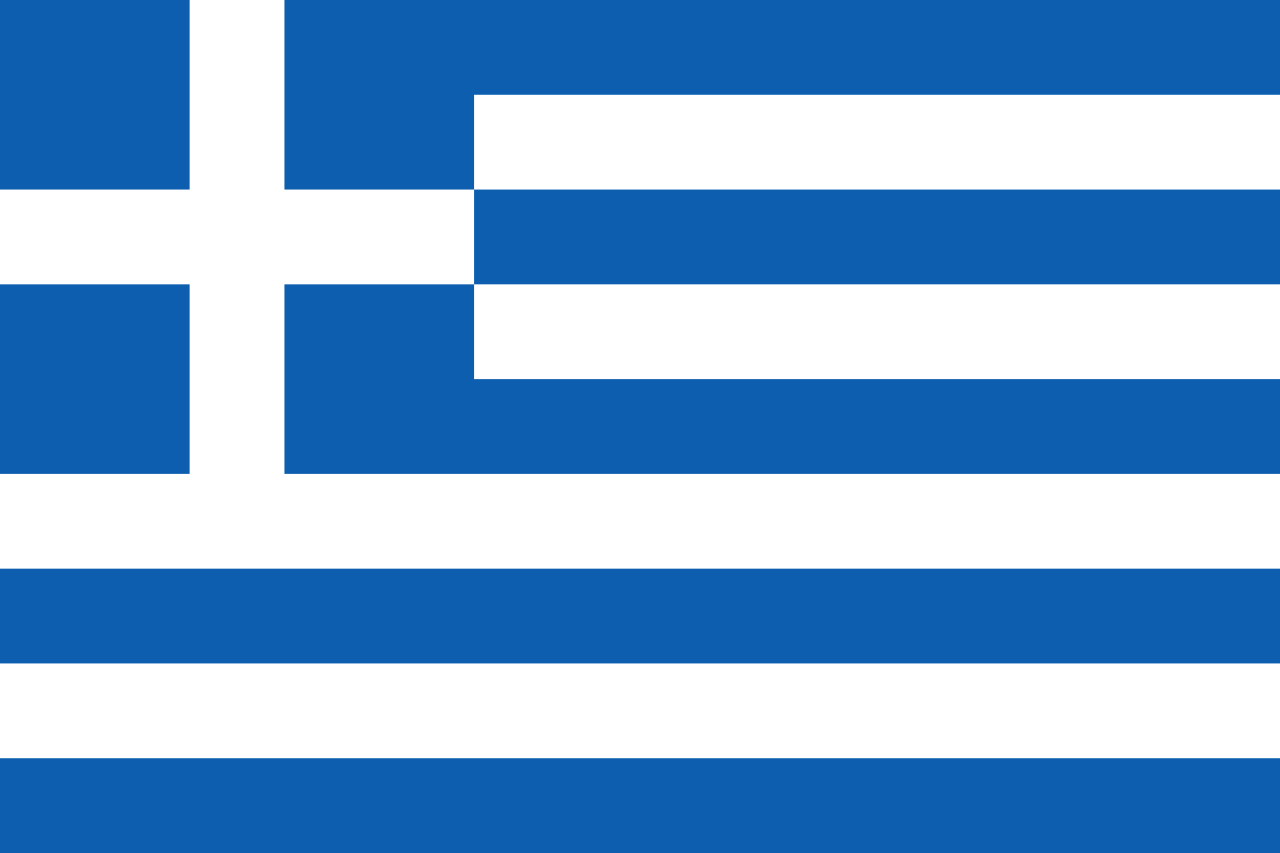
Greece
Opens Google Maps in new tab
Geographical Foundations of a Maritime Power
Greece occupies a strategically vital position in Southeast Europe, dominating the southern reaches of the Balkan Peninsula. Its geography is defined by an extensive coastline, the longest in the Mediterranean basin, intricately shaped by thousands of islands and nine distinct traditional regions. This maritime orientation has historically fostered trade, exploration, and a unique cultural development distinct from its continental neighbors.
The country is bordered by Albania to the northwest, North Macedonia and Bulgaria to the north, and Turkey to the east, placing it at a crossroads of Europe, Asia, and Africa. The surrounding seas-the Aegean to the east, the Ionian to the west, and the Mediterranean to the south-have profoundly influenced its climate, economy, and cultural exchanges, creating a landscape characterized by mountains, fertile valleys, and a deeply indented shoreline.
The Enduring Legacy of Hellenic Antiquity
Greece is globally recognized as the foundational bedrock of Western civilization. Its contributions are immense and far-reaching, including the genesis of democracy, a concept that continues to underpin political systems worldwide. Furthermore, it was the crucible for Western philosophy, with thinkers like Socrates, Plato, and Aristotle posing fundamental questions about existence, ethics, and knowledge. Ancient Greece also pioneered historiography, the systematic study of history, and laid groundwork in political science, mathematics, and dramatic arts.
The very concept of the Olympic Games originated here, promoting athletic excellence and international camaraderie. The organization of society into independent city-states, or 'poleis', fostered intense intellectual and artistic competition, culminating in periods of extraordinary cultural flourishing under figures like Philip II and his son, Alexander the Great, whose conquests disseminated Hellenistic culture across vast territories.
From Roman Annexation to Byzantine Dominance
The trajectory of ancient Greece shifted dramatically with its annexation by Rome in the 2nd century BC. Despite political subjugation, Greek culture, language, and intellectual traditions remained dominant, profoundly influencing Roman society and governance. This cultural continuity persisted through the Roman Empire and its successor, the Byzantine Empire, where Greek language and Orthodox Christianity became central tenets.
The emergence of the Greek Orthodox Church in the 1st century AD played a crucial role in shaping modern Greek identity and preserving Hellenic heritage through centuries of foreign rule. The Byzantine era, though marked by external pressures, represented a significant period of Greek cultural and political influence, acting as a bulwark of Eastern Christianity and a repository of classical knowledge.
Navigating Modernity
Following the fragmentation of the Byzantine Empire and subsequent Ottoman control, Greece embarked on a protracted War of Independence, finally emerging as a modern nation-state in 1830. The subsequent century was characterized by territorial expansion during the Balkan Wars and World War I, followed by significant geopolitical upheaval, including defeat in the Greco-Turkish War. The 20th century brought further challenges: a brief republic, civil strife, the trauma of World War II occupation, a devastating civil war, and periods of political instability culminating in military dictatorships.
The transition to democracy in 1974 marked a pivotal moment, ushering in the current parliamentary republic. Economically, Greece experienced remarkable growth post-WWII but has since grappled with significant debt crises, underscoring the complexities of managing a developed economy within a globalized financial system.
Contemporary Greece
Today, Greece is a developed country with an advanced, high-income economy, though its standard of living has been impacted by recent financial challenges. Key sectors driving its economy include shipping, leveraging its extensive maritime infrastructure, and tourism, which attracts millions annually due to its unparalleled historical sites and natural beauty, making it one of the world's most visited countries. Greece's rich cultural tapestry is further evidenced by its 20 UNESCO World Heritage Sites, a testament to its enduring historical significance.
As the tenth member to join the European Union in 1981, Greece is deeply integrated into the European political and economic framework, balancing its unique historical identity with the demands and opportunities of the 21st century. Its ongoing narrative is one of resilience, cultural preservation, and active participation in international affairs.
Go deeper
Frequently Asked Questions
What is Greece known for in history?+
Where is Greece located?+
Why is the Greek language important?+
How did Greece become a modern country?+
What is the Greek Orthodox Church?+
Based on content from Wikipedia · Licensed under CC BY-SA 4.0