

Turkey
Images
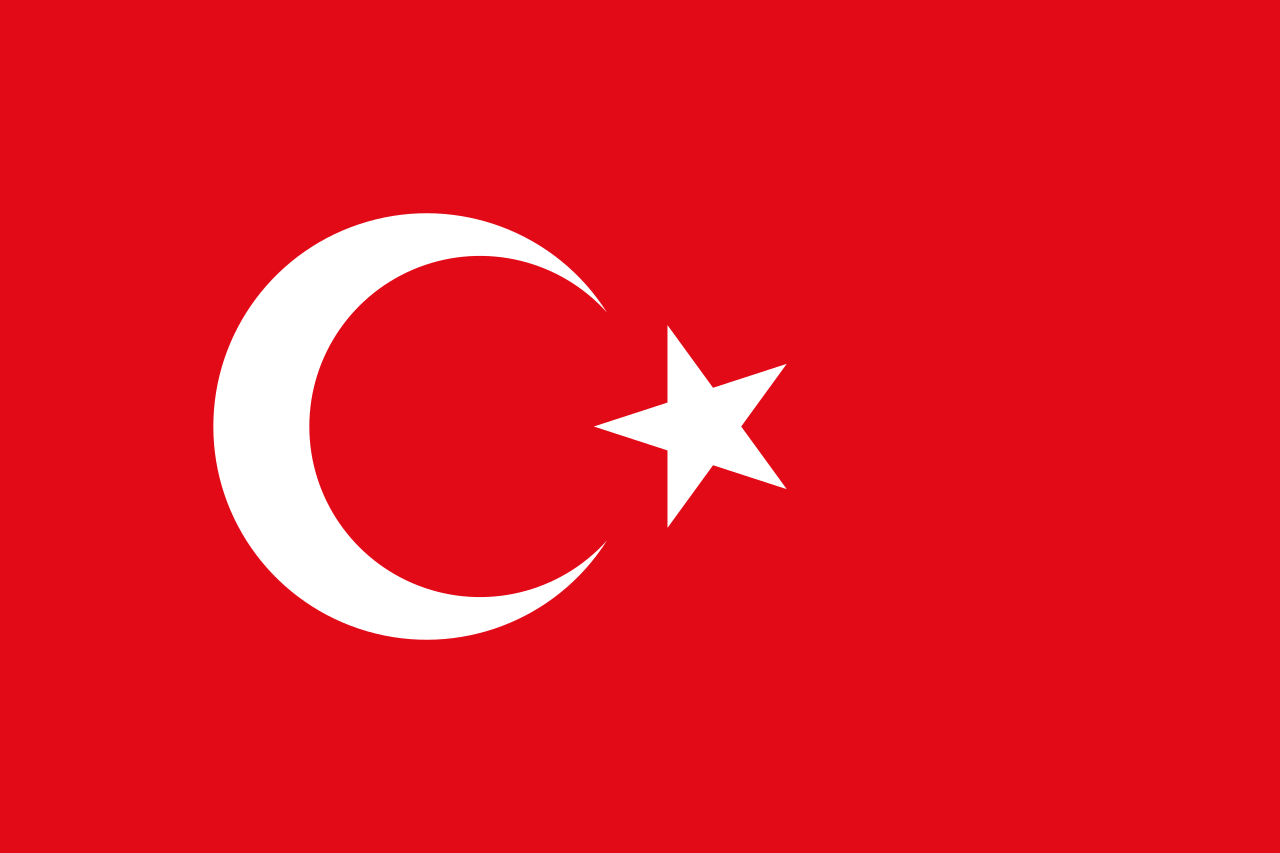
Turkey
Opens Google Maps in new tab
Turkey's Strategic Geography
Turkey's geography is its most defining characteristic, positioning it as a vital transcontinental bridge between Southeastern Europe and Western Asia. Occupying the vast Anatolian peninsula and a small part of the Balkan Peninsula, it commands the strategic Bosporus and Dardanelles straits, which are crucial waterways connecting the Black Sea to the Mediterranean. This location has historically made it a crossroads for trade, migration, and cultural exchange, influencing its development and international relations.
The country's diverse topography includes fertile coastal plains, the arid central Anatolian plateau, and the rugged Armenian Highlands in the east, culminating in Mount Ararat. This varied landscape supports a range of climates, from Mediterranean along the Aegean and southern coasts to continental in the interior, impacting its agriculture and biodiversity. Turkey's position also places it in a region of significant geopolitical importance, bordering nations with complex histories and facing challenges related to regional stability and resource management.
From Empires to Republic
The territory of modern Turkey has been a cradle of civilizations for millennia, witnessing the rise and fall of empires that have profoundly shaped global history. It was home to the Hittites, Phrygians, and Lydians in antiquity, later becoming a key province of the Roman and Byzantine Empires, with Constantinople serving as the 'New Rome'. The arrival of Turkic peoples in the 11th century led to the Seljuk Sultanate of Rum and eventually the powerful Ottoman Empire, which dominated the region for over six centuries, leaving an indelible mark on culture, architecture, and governance.
Following its defeat in World War I and the subsequent Turkish War of Independence, Mustafa Kemal Atatürk founded the Republic of Turkey in 1923. This marked a radical shift towards a modern, secular nation-state, characterized by sweeping reforms in law, education, and social structures. The legacy of these imperial pasts continues to resonate, influencing Turkey's identity and its interactions with the world.
Turkish Culture and Society
Turkish culture is a vibrant tapestry woven from centuries of interaction between diverse peoples and traditions, influenced by its Anatolian, Ottoman, and modern Turkish heritage. Family remains a cornerstone of society, with strong emphasis placed on kinship ties and communal support. Hospitality is a deeply ingrained value, often expressed through generous offerings of food and drink, particularly the ubiquitous Turkish tea (çay). Turkish cuisine is celebrated globally for its rich flavors and regional variations, blending Mediterranean freshness with Middle Eastern influences. Music, dance, and the performing arts are integral to cultural expression, ranging from classical Ottoman compositions to energetic folk dances.
The country is also renowned for its traditional crafts, such as intricate carpet weaving, Iznik pottery, and calligraphy. Contemporary Turkish society navigates a complex interplay between its historical roots and globalizing trends, fostering a dynamic and evolving cultural landscape.
Economic Engine
Turkey boasts a large and diversified economy that has experienced significant growth and transformation over the past few decades. It is a major industrial power, with key sectors including automotive manufacturing, textiles, electronics, and construction, many of which are export-oriented. Agriculture remains a vital component, with Turkey being a leading global producer of commodities like hazelnuts, dried apricots, and figs, contributing to its strong food processing industry. Tourism is a crucial economic driver, attracting millions of international visitors annually to its rich historical sites, stunning coastlines, and unique natural landscapes like Cappadocia.
The country's strategic location also positions it as a vital transit hub for energy and trade routes between Europe, Asia, and the Middle East. Ongoing investments in infrastructure, technology, and renewable energy are shaping its future economic trajectory.
Governing the Republic
The Republic of Turkey operates as a unitary presidential republic, established on the principles of secularism, democracy, and national sovereignty. The President serves as both the head of state and head of government, wielding significant executive power. The Grand National Assembly of Turkey is the unicameral legislature, responsible for lawmaking and oversight.
Turkey's political landscape is characterized by a multi-party system, with various political ideologies represented. The country's geopolitical position and historical context present unique challenges, including managing relations with neighboring countries, addressing internal Kurdish issues, and navigating its relationship with international organizations like NATO and the European Union. Debates surrounding democratic norms, human rights, and the balance between secularism and religious expression are ongoing aspects of its political discourse.
Turkey plays a significant role in regional security and international diplomacy.
Go deeper
Frequently Asked Questions
What makes Turkey special because it is in two continents?+
Why are the Bosporus and Dardanelles important?+
Which ancient peoples lived in Turkey?+
Who founded the Republic of Turkey and when?+
What is Turkish tea and why is it special?+
Based on content from Wikipedia · Licensed under CC BY-SA 4.0