

South Africa's Amazing Rugby Stars: The Springboks!
Images

The Melbourne Sun- July 29, 1971- Page 5- Apollo 15

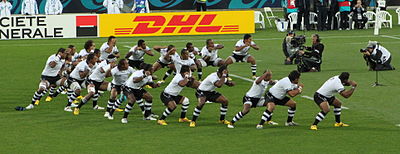


Geographical Roots and Sporting Identity
The South Africa national rugby union team, universally known as the Springboks, hails from a nation characterized by diverse landscapes, from the arid Karoo to the lush coastlines, and a vibrant, multicultural populace. Rugby union is a sport deeply entrenched in South African culture, often attracting elite athletes from across its varied communities. The team's identity is intrinsically linked to its national symbol, the springbok antelope, a creature renowned for its speed and leaping ability, traits that resonate with the dynamic play expected of the team.
The iconic green and gold jerseys, first worn in official matches dating back to the late 19th century, represent a powerful symbol of national pride and unity, transcending racial and social divides.
Navigating History
The Springboks' historical trajectory is marked by significant challenges and triumphs. Their inaugural international fixture occurred on July 30, 1891, against a British Isles touring side. However, the team's participation in the nascent Rugby World Cup was significantly impacted by international sporting sanctions imposed due to the apartheid regime.
Consequently, South Africa was barred from the 1987 and 1991 tournaments. Their long-awaited World Cup debut in 1995, coinciding with South Africa's transition to a democratic state, provided a profound moment of national catharsis. The Springboks' victory in the final against New Zealand, a hard-fought 15-12 win, became a potent symbol of post-apartheid reconciliation and nation-building, uniting a country still healing from decades of division.
A Dynasty of Dominance
The Springboks stand as the most decorated nation in Rugby World Cup history, having secured the coveted Webb Ellis Cup an unprecedented four times. Their championship victories in 1995, 2007, 2019, and 2023 underscore a sustained era of excellence and dominance on the global stage. This unparalleled success is not confined to the World Cup; the Springboks are also perennial contenders in the annual Rugby Championship, a fiercely competitive tournament featuring the southern hemisphere's elite: Argentina, Australia, and New Zealand.
Achieving the rare double of winning both the Rugby Championship and the World Cup in the same calendar year is a testament to their consistent high performance, a feat only the Springboks have managed.
Impact on the Game and Global Recognition
The Springboks' prowess on the field is undeniable, consistently ranking among the world's top rugby nations. They have inflicted some of the most substantial defeats in international rugby history upon various opponents, including Australia, Italy, New Zealand, Scotland, Uruguay, and Wales, demonstrating their consistent ability to overpower rivals. Beyond their match results, the influence of Springbok players and figures is recognized globally.
A remarkable sixteen former Springboks and influential individuals associated with the team have been inducted into the World Rugby Hall of Fame, acknowledging their profound and lasting contributions to the sport's development and legacy. This recognition highlights their enduring impact on rugby union worldwide.
Economic and Societal Integration Through Sport
Rugby union in South Africa is more than just a sport; it's a significant economic and social force. The popularity of the Springboks drives substantial revenue through broadcasting rights, sponsorships, and merchandise. The sport provides employment opportunities for players, coaches, administrators, and support staff.
Furthermore, the Springboks serve as a powerful vehicle for social cohesion. In a nation still grappling with its past, the team's ability to unite people from diverse backgrounds-a legacy cemented by the 1995 World Cup victory-is invaluable. The sport's inclusive growth, with increased participation and support across all communities, reflects a broader societal evolution towards equality and shared national identity, making the Springboks a vital component of South Africa's cultural and economic landscape.
See also
Frequently Asked Questions
What does the name "Springboks" mean?+
Why do the Springboks wear green and gold?+
When did the Springboks play their first international match?+
How many times have the Springboks won the Rugby World Cup?+
Why was the 1995 World Cup win special for South Africa?+
Based on content from Wikipedia · Licensed under CC BY-SA 4.0