

South Africa: A Land of Many Wonders!
Images
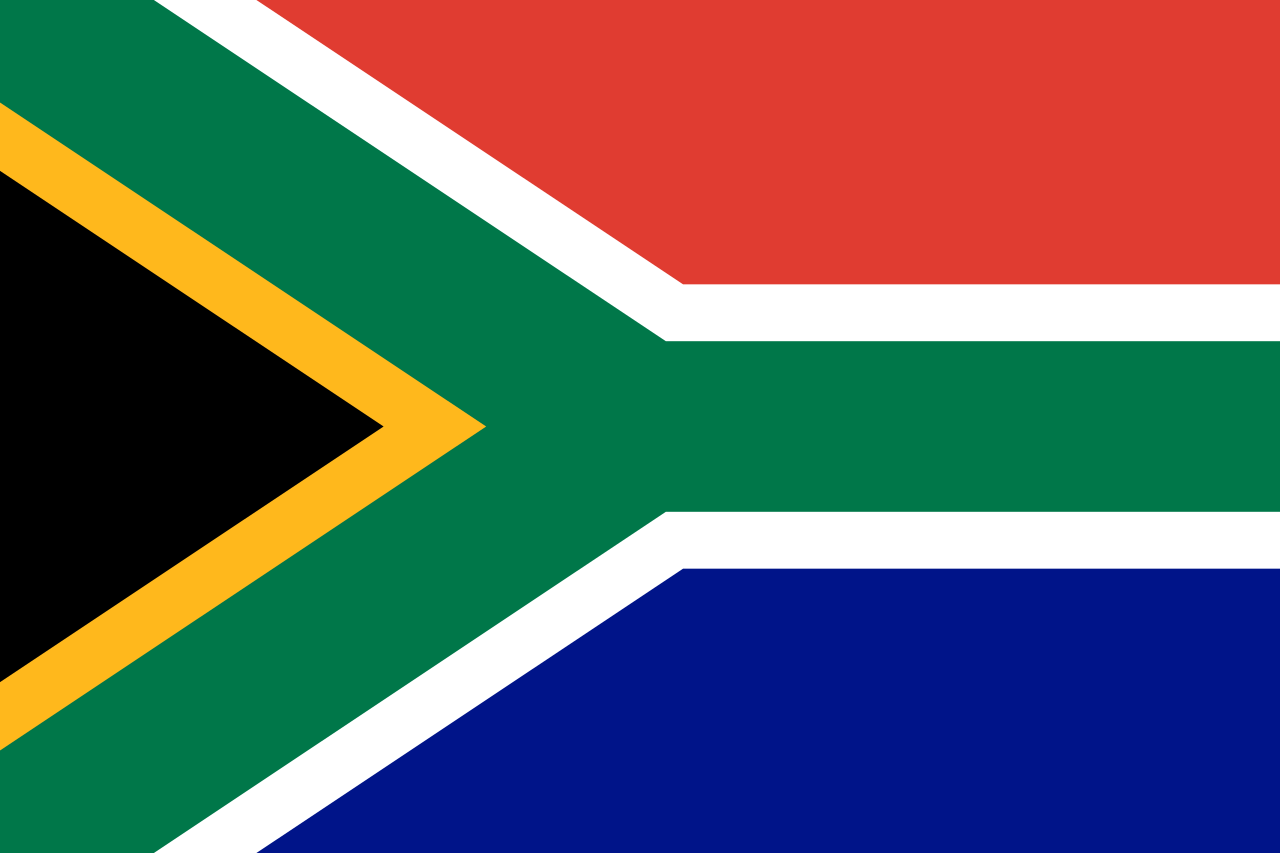
South Africa
Geographic Extremes and Strategic Significance
South Africa occupies the southernmost tip of the African continent, a position that grants it a unique geographical identity and strategic importance. Its extensive coastline, stretching 2,798 kilometers (1,739 miles), borders both the South Atlantic and Indian Oceans, making it a crucial maritime crossroads. This dual oceanic exposure influences its climate and biodiversity significantly.
To the north, it shares borders with Namibia, Botswana, Zimbabwe, and Mozambique, while the enclaves of Eswatini and Lesotho are entirely surrounded by South African territory, highlighting its dominant geographical presence on the subcontinent. Covering an area of 1,221,037 square kilometers (471,445 square miles), South Africa is the 24th-largest country in the world. Its population exceeds 63 million, making it the sixth most populous nation in Africa.
The division of its capital functions among Pretoria (administrative), Cape Town (legislative), and Bloemfontein (judicial) is a testament to its historical development and the compromises made in its formation, reflecting a deliberate distribution of power and governmental functions.
A Deep Past
The human story in South Africa is exceptionally ancient, with archaeological evidence pointing to the existence of hominid species as far back as 2.5 million years ago. Modern humans inhabited the region over 100,000 years ago. The earliest known inhabitants were the indigenous Khoisan peoples, followed by successive waves of Bantu-speaking migrations from west and central Africa between 2,000 and 1,000 years ago.
These migrations laid the foundation for diverse cultural groups. The 13th century saw the rise of the Kingdom of Mapungubwe in the north, an early example of complex societal organization. European colonization began in 1652 with the Dutch East India Company establishing a settlement at Table Bay, leading to the Dutch Cape Colony.
British occupation followed in 1795. The 19th century was marked by significant upheaval, including the Mfecane, a period of widespread conflict and migration that reshaped the political landscape and led to the formation of powerful African kingdoms like the Zulu Kingdom. The subsequent 'Mineral Revolution' fueled industrialization and urbanization.
The Union of South Africa was formed in 1910 from four colonies, eventually becoming a republic in 1961. The imposition of apartheid in 1948, a brutal system of racial segregation, dominated the latter half of the 20th century. The long and arduous struggle against apartheid, led by organizations like the African National Congress (ANC) and supported by international pressure, culminated in the repeal of discriminatory laws and the first universal democratic elections in 1994, marking a profound transition to a multiracial liberal democracy.
The 'Rainbow Nation' Identity
South Africa's designation as the 'Rainbow Nation' is more than just a poetic description; it encapsulates the profound cultural, linguistic, and religious diversity that defines the country, particularly in the post-apartheid era. This rich tapestry is woven from the threads of its indigenous Khoisan and Bantu heritage, the influences of European settlers (Dutch, British, French Huguenots, German), and the contributions of people who arrived from India and Southeast Asia.
The country officially recognizes 11 languages, a reflection of this complex heritage and a commitment to inclusivity. This diversity is a source of national pride and a defining characteristic of its social fabric. The transition from apartheid's enforced segregation to a liberal democracy that embraces all racial groups has solidified this identity.
The 'Rainbow Nation' concept signifies not just the coexistence of different peoples but also the aspiration for a unified society where every individual contributes to the national identity and shares in its future.
Global Standing and Enduring Challenges
South Africa is recognized as a significant middle power with substantial regional influence. It is an active participant in major international forums, including BRICS+, the African Union, SADC, SACU, the Commonwealth of Nations, and the G20, demonstrating its commitment to global cooperation and its role in shaping international affairs. Economically, it boasts the largest nominal GDP in Africa and is a developing, newly industrialized country.
Its natural wealth is immense, evidenced by its status as a biodiversity hotspot with unique biomes and endemic species. South Africa also shares the distinction of having the most UNESCO World Heritage Sites in Africa with Ethiopia, highlighting its rich historical and natural heritage. However, the nation continues to grapple with significant socio-economic challenges.
While the post-apartheid era has seen substantial improvements in government accountability and quality of life for previously marginalized citizens, issues such as high crime rates, persistent poverty, and profound economic inequality remain critical concerns. With a high Gini coefficient, South Africa is recognized as one of the most economically unequal countries globally, underscoring the ongoing need for inclusive development strategies.
Go deeper
Frequently Asked Questions
What shape is South Africa and where is it located?+
Why does South Africa have such a long coastline?+
How many capitals does South Africa have and what are they?+
When did South Africa become a republic and when were the first democratic elections?+
Why is South Africa called the "Rainbow Nation"?+
Based on content from Wikipedia · Licensed under CC BY-SA 4.0