

Romania
Images
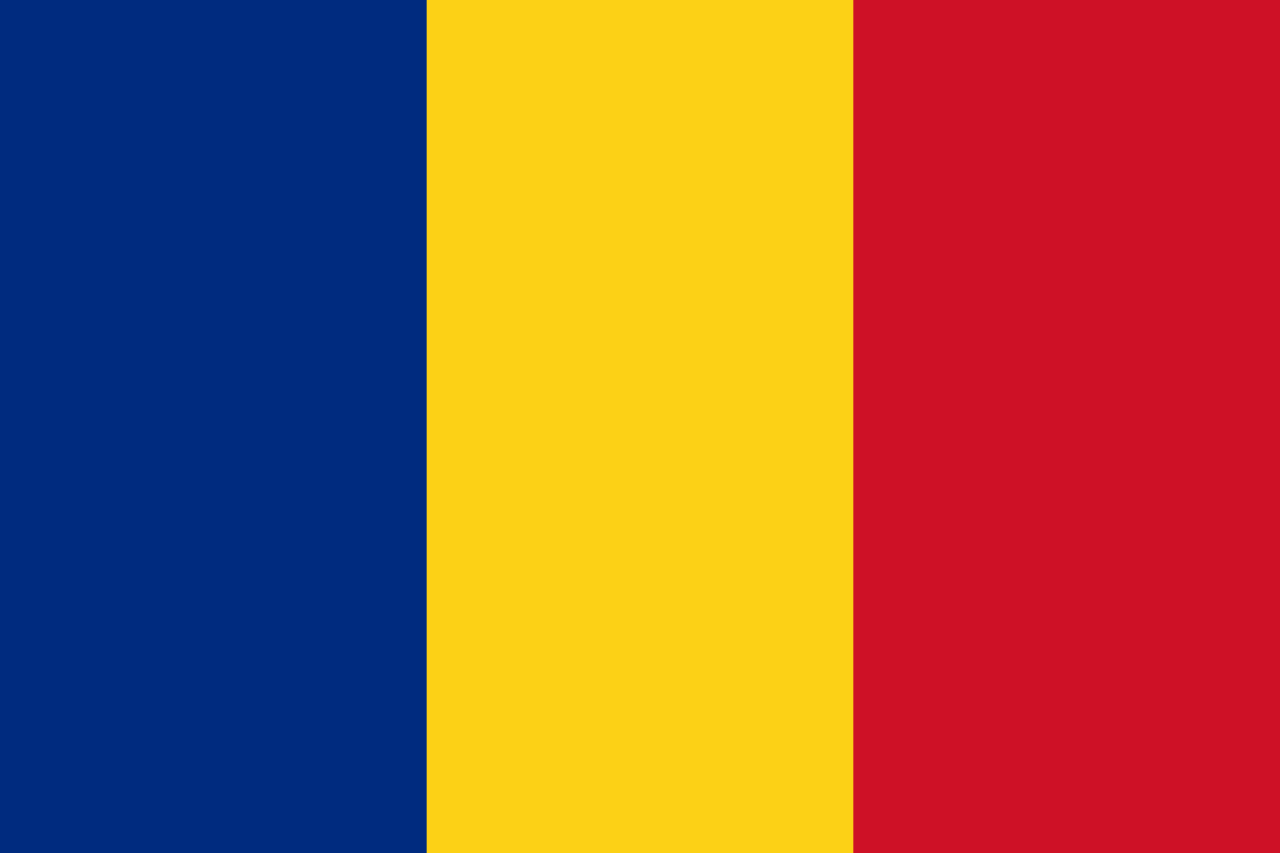
Romania
Opens Google Maps in new tab
Geopolitical Significance and Diverse Landscapes
Romania occupies a pivotal location in Europe, situated at the confluence of Central, Eastern, and Southeastern Europe. This strategic positioning has historically influenced its development and interactions with neighboring powers. Its territory spans 238,397 km², making it the twelfth-largest country in Europe and the sixth-most populous member of the European Union.
The nation's geography is dominated by the Carpathian Mountains, an extensive range that arcs through the country, influencing climate and settlement patterns. These mountains are a significant natural barrier and a source of biodiversity, with peaks like Moldoveanu reaching impressive altitudes. Complementing the mountainous terrain is the Danube River, Europe's second-longest waterway, which forms the expansive Danube Delta as it empties into the Black Sea.
This delta is a crucial ecological zone, recognized as a UNESCO World Heritage site, supporting a vast array of flora and fauna and playing a vital role in regional environmental balance. Romania's climate is predominantly continental, characterized by significant seasonal variations, including hot summers and cold, snowy winters.
From Dacian Roots to Modern Nationhood
The historical narrative of Romania is deeply rooted, with evidence of settlement dating back to the Lower Paleolithic period. The region was once the seat of the Dacian Kingdom, a formidable civilization that ultimately succumbed to Roman expansion. The subsequent Romanization profoundly shaped the cultural and linguistic landscape, laying the groundwork for the Romanian language.
The formation of the modern Romanian state was a gradual process, culminating in the unification of Moldavia and Wallachia in 1859, followed by the establishment of the Kingdom of Romania in 1881. Romania's struggle for independence from the Ottoman Empire in 1877 marked a significant milestone. The aftermath of World War I saw a substantial territorial expansion, creating 'Greater Romania' through the incorporation of regions like Transylvania and Bessarabia.
However, this period of growth was challenged by territorial concessions in 1940. The nation played a complex role in World War II, switching allegiances in 1944 to join the Allies. The post-war era brought socialist rule and integration into the Warsaw Pact, followed by a period of significant political and economic transition after the Romanian Revolution of 1989, leading to the establishment of a multi-party democracy and a market economy.
Cultural Identity and Global Connectivity
Romania's culture is a rich mosaic, shaped by its historical interactions and unique linguistic heritage. The Romanian language itself is a direct descendant of Latin, setting it apart from most Slavic languages in the region. This linguistic connection is a cornerstone of its cultural identity.
Traditions, folklore, music, and dance are vibrant aspects of Romanian life, often celebrated through festivals and community gatherings. Beyond its traditional cultural expressions, Romania has emerged as a significant player in the global technology sector. It boasts some of the fastest internet speeds worldwide, attracting international investment and fostering a dynamic startup ecosystem.
The country's commitment to preserving its heritage is evident in its 11 UNESCO World Heritage Sites, which encompass a diverse range of historical, architectural, and natural treasures, from medieval fortified churches to ancient settlements. Bucharest, the capital, serves as the nation's political, economic, and cultural epicenter, while other major cities like Cluj-Napoca and Timișoara are important regional hubs.
Economic Landscape and International Integration
Romania possesses a developing economy with a high-income classification, demonstrating consistent growth and increasing integration into the global marketplace. Key sectors include automotive manufacturing, where Romania is a notable net exporter of vehicle parts worldwide, contributing significantly to international supply chains. The nation is also rapidly developing its technological infrastructure and expertise, positioning itself as an emerging technology center.
This dual focus on traditional manufacturing and advanced technology is driving its economic diversification. As a member of the European Union (EU) and NATO, Romania benefits from enhanced trade relations, security cooperation, and access to a broader economic and political framework. These international affiliations are crucial for its continued development, facilitating foreign investment and promoting adherence to international standards.
The country's economic trajectory reflects a transition towards a more robust and globally competitive market economy.
Governance and Societal Structure
Romania operates as a unitary republic with a semi-presidential representative democracy. This system involves a division of powers between the President, who serves as the head of state, and the Prime Minister, who leads the government. The country features a multi-party political system, allowing for diverse representation and debate within its legislative bodies.
The Romanian government is responsible for national policy-making, administration, and upholding the rule of law. Its membership in international organizations like the European Union and NATO influences its foreign policy and domestic regulations, aligning it with broader European and transatlantic objectives. The transition from a socialist republic to its current democratic framework has been a defining aspect of its recent history, marked by efforts to strengthen democratic institutions and promote economic liberalization.
Go deeper
Frequently Asked Questions
What are the Carpathian Mountains and why are they important in Romania?+
Where does the Danube Delta in Romania end?+
When did Romania become a modern country?+
Why is the Romanian language special?+
How fast is the internet in Romania?+
Based on content from Wikipedia · Licensed under CC BY-SA 4.0