

Transylvania
Images
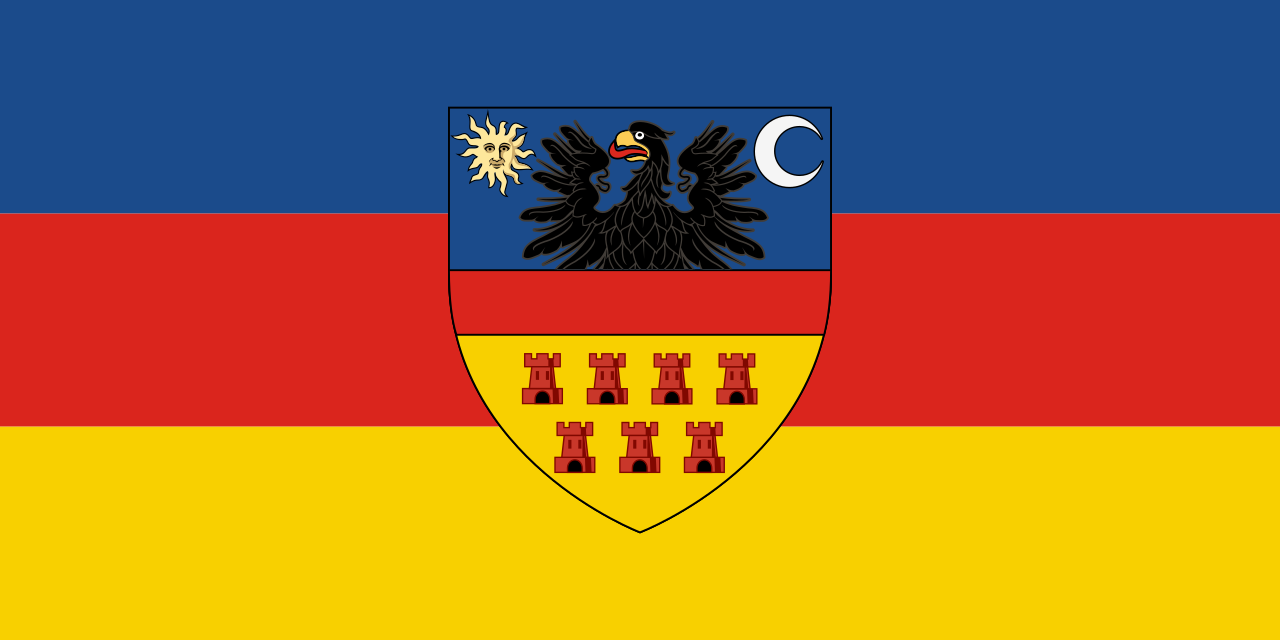
Transylvania
Geopolitical Significance and Natural Defenses
Transylvania's strategic location in Central Europe, historically positioned at the crossroads of major powers, has profoundly shaped its destiny. Its natural borders, formed by the formidable Carpathian Mountains to the east and south and the Apuseni Mountains to the west, have historically served as both a shield and a barrier. This rugged terrain, characterized by deep valleys, extensive forests, and high plateaus, has fostered a degree of regional autonomy and allowed for the development of distinct cultural identities.
The mountainous landscape has also dictated settlement patterns and economic activities, favoring pastoralism and forestry, while also presenting challenges for communication and integration with surrounding territories. The region's unique geography has thus been a constant factor in its political and social evolution, influencing everything from defense strategies to trade routes.
A Palimpsest of Rule
The historical narrative of Transylvania is a complex palimpsest, bearing the indelible marks of numerous civilizations. Its early history is tied to the Dacian Kingdom, followed by Roman conquest and incorporation into Roman Dacia. Subsequent centuries witnessed waves of migrations and conquests, including the Goths, Hunnic Empire, Gepids, Avar Khaganate, and Slavs, each leaving their imprint.
The arrival of Hungarian tribes in the late 9th century marked a pivotal moment, leading to its integration into the Kingdom of Hungary by 1002. For centuries thereafter, Transylvania navigated a precarious geopolitical balance, existing as an Eastern Hungarian Kingdom, a principality under Ottoman suzerainty, and later under Habsburg control. The Austro-Hungarian Compromise of 1867 saw its reincorporation into the Hungarian part of the empire, a period that also witnessed the rise of Romanian national consciousness.
Following World War I, Transylvania was unified with Romania in 1918, a status confirmed by the Treaty of Trianon in 1920, though parts were temporarily ceded to Hungary during World War II before final reversion to Romania.
Urban Heritage and Architectural Treasures
Transylvania is celebrated for its remarkably preserved medieval urban centers, which stand as testaments to centuries of architectural and cultural development. Cities such as Cluj-Napoca, Brașov, Sibiu, and Sighișoara are living museums, featuring Gothic, Renaissance, and Baroque influences. Sighișoara, a UNESCO World Heritage Site, is one of the last inhabited medieval citadels in Europe, offering an unparalleled glimpse into the past.
Beyond the cities, the region is dotted with numerous fortified churches, particularly those built by the Transylvanian Saxons. These structures, also recognized by UNESCO, served as vital defensive strongholds for communities, showcasing a unique blend of religious and military architecture. These sites collectively represent a significant concentration of European cultural heritage.
Multiculturalism and the Genesis of Myth
The enduring legacy of Transylvania lies significantly in its rich multicultural fabric, a result of centuries of coexistence among Romanians, Hungarians, and Transylvanian Saxons. This intermingling has fostered a unique cultural synthesis, evident in local traditions, languages, and artistic expressions. However, Transylvania is perhaps most widely known internationally through Bram Stoker's 1897 novel 'Dracula.' The novel drew upon historical figures and local folklore, most notably Vlad III Dracula, also known as Vlad the Impaler.
While Stoker's gothic horror narrative is fictional, it was partly inspired by historical accounts of Vlad's brutal methods and the propaganda spread by his enemies, including the Transylvanian Saxons, who suffered from his policies that disrupted their trade routes. This literary creation has indelibly linked the region to vampire mythology, overshadowing its complex historical and cultural realities for many.
Preservation and Contemporary Relevance
Transylvania's commitment to preserving its historical and natural heritage is underscored by its numerous UNESCO World Heritage Sites, including the fortified churches, the historic center of Sighișoara, and the Dacian Fortresses of the Orăștie Mountains. The Roșia Montană Mining Cultural Landscape, though controversial, highlights the region's deep history of resource extraction. These designations reflect the global recognition of Transylvania's unique value.
Today, the region is a significant tourist destination, attracting visitors interested in history, culture, and its dramatic landscapes. The ongoing efforts to balance preservation with modern development, while navigating its complex past and the pervasive influence of its mythical associations, remain central to Transylvania's contemporary identity and future.
Go deeper
Frequently Asked Questions
What is Transylvania?+
Where are the Carpathian Mountains?+
Why are there many old castles in Transylvania?+
Which cities in Transylvania are famous for their old buildings?+
Who lived in Transylvania and how did they share their cultures?+
Based on content from Wikipedia · Licensed under CC BY-SA 4.0