

Moldova
Images
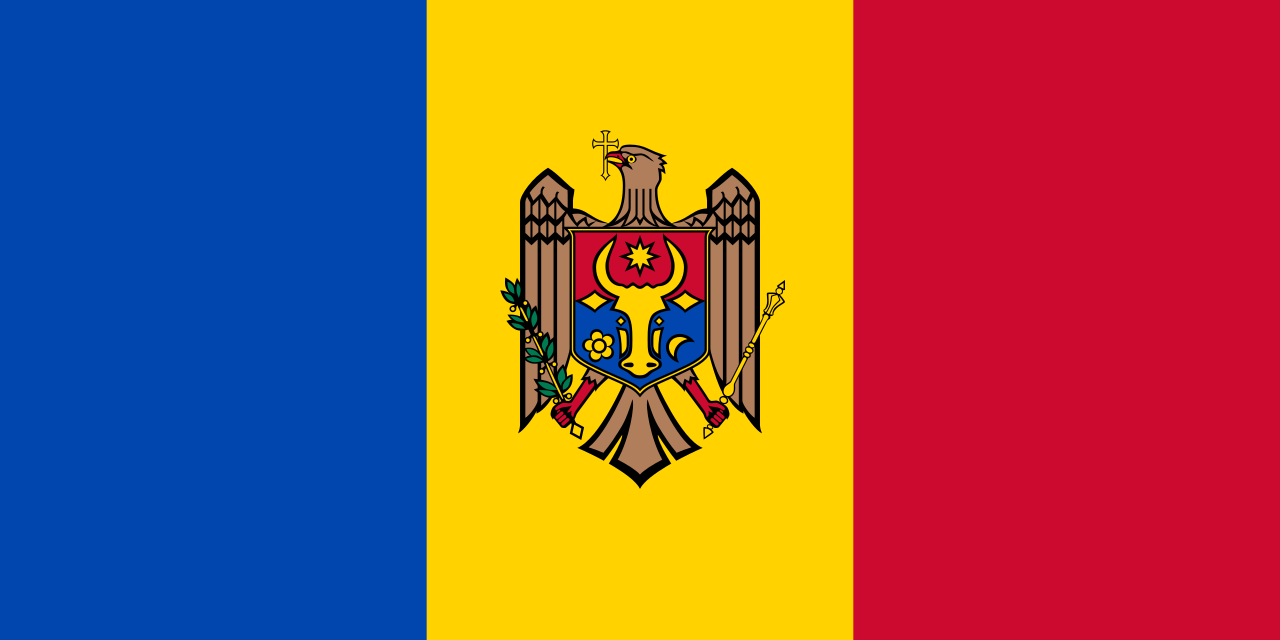
Moldova
Opens Google Maps in new tab
Geopolitical Crossroads and Landscape
Moldova occupies a strategic, yet challenging, position in Eastern Europe, landlocked between Romania to the west and Ukraine to the north, east, and south. This geography has historically placed it at the crossroads of various empires and spheres of influence. The terrain is characterized by rolling hills and fertile plains, with the Dniester River forming a significant natural boundary in the east.
This river also delineates the de facto border with Transnistria, an unrecognised breakaway state that remains a persistent source of political tension and a reminder of the region's complex post-Soviet legacy. The capital, Chișinău, is the nation's administrative, economic, and cultural nucleus, a testament to Moldova's development as a modern state.
A Chronicle of Sovereignty
Moldova's history is a narrative of shifting allegiances and struggles for self-determination. Emerging from the medieval Principality of Moldavia, its territory was absorbed by the Russian Empire in 1812, becoming known as Bessarabia. Brief periods of Romanian union followed before Russian dominion was reasserted.
The tumultuous 20th century saw Bessarabia navigate Russian Revolution-era autonomy, a brief integration into Romania, and ultimately, forced cession to the Soviet Union in 1940, leading to the formation of the Moldavian Soviet Socialist Republic. The declaration of independence on August 27, 1991, marked a pivotal moment, yet the unresolved Transnistrian conflict, stemming from the Soviet Union's dissolution, continues to shape its contemporary political landscape.
Cultural Identity and Societal Fabric
The cultural identity of Moldova is a rich mosaic, deeply influenced by its Romanian heritage and centuries of interaction with various empires and neighboring cultures. The Romanian language, officially termed Moldovan, serves as a unifying linguistic element, fostering a strong sense of national identity. Hospitality is a deeply ingrained value, often expressed through generous offerings of food and the country's renowned wines. Viticulture is not merely an agricultural sector but a cultural cornerstone, with extensive underground wine cellars and a tradition of winemaking that dates back millennia.
Traditional music, dance, and folk arts remain vibrant, celebrated through festivals and community gatherings, reflecting a resilient cultural spirit.
Economic Realities and Development Pathways
Moldova's economy is predominantly agrarian, with wine production standing out as its most significant export and a symbol of its agricultural prowess. The fertile chernozem soils are ideal for cultivating a range of crops, including fruits, vegetables, and grains. The service sector is also a crucial contributor to the GDP.
Despite its agricultural strengths, Moldova faces considerable economic challenges, ranking among the less affluent nations in Europe. However, the country demonstrates a notable capacity for innovation, as evidenced by its consistent performance on the Global Innovation Index. This suggests a forward-looking approach, seeking to leverage technological advancements and diversify its economic base to foster sustainable growth and attract foreign investment.
Governance, Geopolitics, and European Integration
As a unitary parliamentary representative democratic republic, Moldova operates under a constitution established in 1994. The political system features a President as head of state and a Prime Minister leading the government. Moldova actively participates in international forums, holding membership in the United Nations, Council of Europe, and the World Trade Organization, among others.
A defining aspect of its contemporary foreign policy is the pursuit of European Union membership, a goal that gained momentum with candidate status granted in June 2022 and accession talks commencing in December 2023. This pro-Western orientation, coupled with a strong stance against Russian aggression in Ukraine, signals a strategic reorientation aimed at enhancing security and economic stability, potentially including a re-evaluation of its constitutional neutrality.
Go deeper
Frequently Asked Questions
Where is Moldova located?+
What is the capital city of Moldova?+
Why is Moldova famous for its wine?+
What is Transnistria?+
When did Moldova become an independent country?+
Based on content from Wikipedia · Licensed under CC BY-SA 4.0