

Ukraine
Images
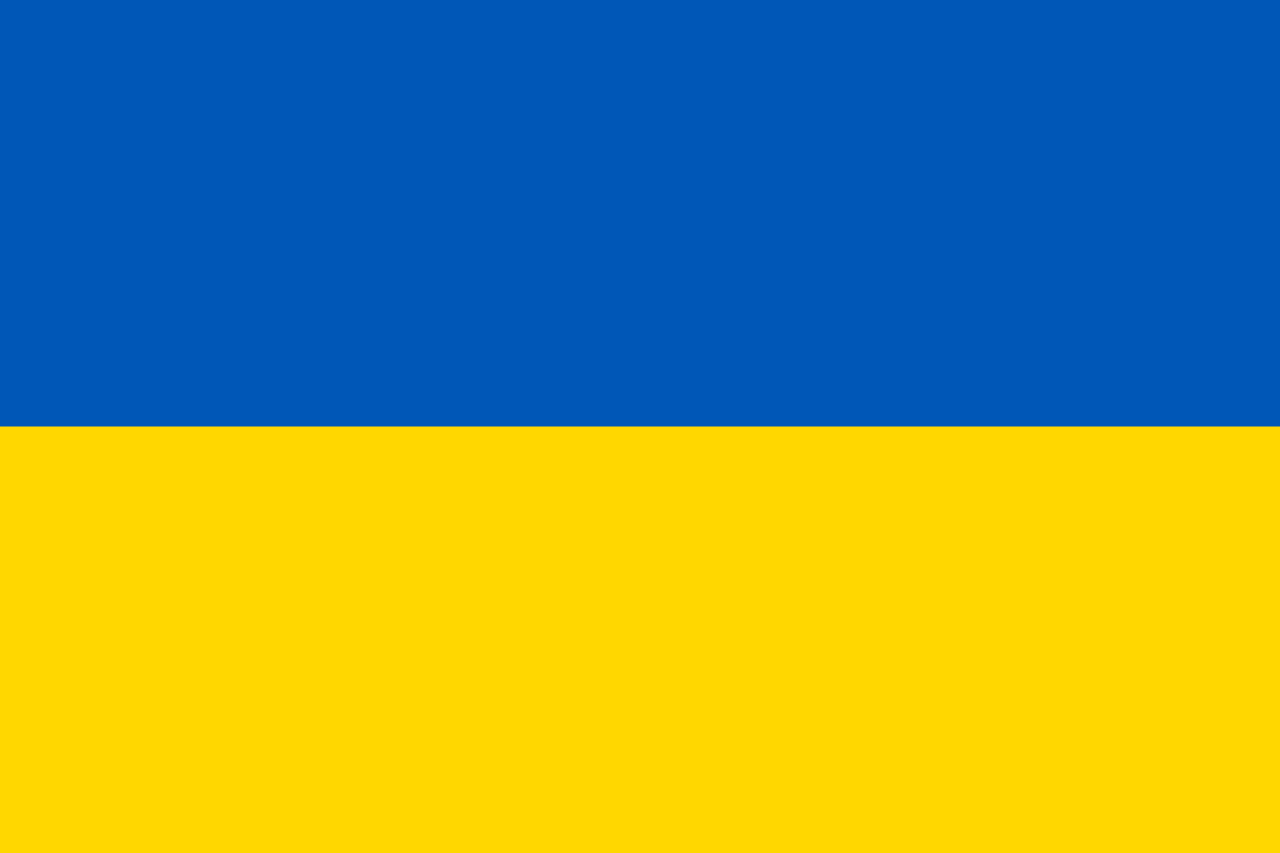
Ukraine
Opens Google Maps in new tab
Geographic Significance and Natural Resources
Ukraine occupies a strategically vital position in Eastern Europe, serving as a historical crossroads between Western and Eastern civilizations. It is the second-largest country on the European continent, boasting an expansive territory of 603,550 square kilometers. Its landscape is predominantly characterized by fertile steppes, particularly the renowned black soil (chernozem), making it an agricultural powerhouse and a critical global supplier of grains.
Major rivers like the Dnipro bisect the country, facilitating transportation and supporting its agricultural and industrial sectors. Ukraine also has significant mineral resources, though its agricultural output remains its most defining economic and geopolitical feature. Its extensive coastline along the Black Sea and the Sea of Azov grants it crucial maritime access.
A Millennia of Shifting Powers and National Aspirations
The history of Ukraine is a long and often tumultuous narrative of statehood, foreign domination, and resilient national identity. Human settlement dates back to at least 32,000 BC. The 9th century saw the rise of Kievan Rus', a powerful medieval state that became the largest and most influential realm in Europe, laying the foundations for East Slavic culture.
Following its disintegration in the 13th century due to Mongol invasions, the territory of modern Ukraine was contested and partitioned for over 600 years by powers such as the Grand Duchy of Lithuania, the Kingdom of Poland, the Austrian Empire, and the Tsardom of Russia. The 17th century brought the Cossack Hetmanate, a precursor to Ukrainian statehood, which was eventually absorbed by the Russian Empire. The 20th century was marked by the struggle for independence after the Russian Revolution, the formation of the Ukrainian Soviet Socialist Republic, and immense suffering during the Holodomor and World War II, which claimed millions of lives.
Ukraine finally regained independence in 1991 following the dissolution of the Soviet Union.
Cultural Resilience and Evolving Identity
Ukrainian culture is a rich synthesis of its historical experiences, Slavic roots, and interactions with neighboring peoples. The Ukrainian language, a distinct East Slavic language, is the official tongue and a powerful symbol of national identity. Traditional arts, music, and dance remain vibrant, often reflecting themes of nature, history, and spirituality.
Ukrainian cuisine, exemplified by dishes like borscht and varenyky, is hearty and deeply ingrained in social customs. The concept of hospitality is highly valued. Despite periods of suppression and assimilation attempts by external powers, Ukrainians have consistently worked to preserve and promote their unique cultural heritage, fostering a strong sense of national pride and distinctiveness that has been crucial in its ongoing quest for self-determination.
Economic Landscape and Global Role
Ukraine possesses a transitional economy, heavily reliant on its vast agricultural sector, making it a critical player in global food security. It is a leading exporter of grains, sunflower oil, and other agricultural products. Beyond agriculture, Ukraine has a significant industrial base, including heavy manufacturing, metallurgy, and a growing IT sector.
However, the economy has faced challenges, including corruption and the impact of ongoing geopolitical conflicts. Ukraine is recognized as a middle power in international affairs, actively participating in global organizations like the United Nations and the World Trade Organization. Its military is substantial, and it has been pursuing closer integration with Western alliances like the European Union and NATO, underscoring its strategic importance and commitment to democratic values.
Governance and Contemporary Challenges
Ukraine operates as a semi-presidential republic, with a unitary system of government. The President serves as the head of state, while the Prime Minister leads the government. The country has transitioned towards a market economy and liberal democracy since independence in 1991, though this path has been marked by significant challenges, including endemic corruption and political instability.
Major events like the Orange Revolution (2004-2005) and the Euromaidan Revolution (2014) highlight the Ukrainian people's strong desire for democratic reforms and closer ties with the West. These events have also led to significant geopolitical repercussions, including Russia's annexation of Crimea in 2014 and the ongoing conflict in eastern Ukraine, culminating in Russia's full-scale invasion in 2022. These contemporary events profoundly shape Ukraine's governance, economy, and international relations.
Go deeper
Frequently Asked Questions
What is Ukraine known for in the world?+
Why do people say Ukraine is a crossroads?+
How did Ukraine become its own country?+
What are some foods that people in Ukraine like to eat?+
What does the Ukrainian language mean to the people?+
Based on content from Wikipedia · Licensed under CC BY-SA 4.0