

Ladakh
Images

Shepherds in Ladakh




The Stark Majesty
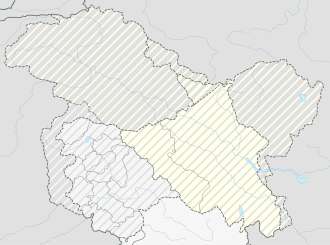
Ladakh, situated in the eastern Himalayas, is a union territory of India defined by its extreme altitude and arid, mountainous terrain. Extending from the Siachen Glacier in the Karakoram range to the Great Himalayas, it encompasses a vast area of approximately 22,224 square miles. This region is a high-altitude cold desert, with elevations ranging from 9,000 to over 25,000 feet.
The climate is characterized by long, frigid winters and short, cool summers, with minimal precipitation. The landscape is dominated by barren mountains, deep gorges, and glacial meltwater rivers like the Indus, Shyok, and Nubra. These rivers carve out fertile valleys, such as the Leh and Kargil districts, which are the primary centers of population and agriculture.
The stark beauty of Ladakh is a result of its geological formation and its position in a rain shadow area, shielded by the Himalayas from monsoon winds. This unique environment shapes everything from its biodiversity to its human settlements.
A Strategic Nexus
Ladakh's history is deeply intertwined with its strategic location at the crossroads of ancient trade routes linking Tibet, Central Asia, and the Indian subcontinent. For centuries, it served as a crucial entrepôt for goods like silk, spices, and precious metals, fostering cultural exchange and economic prosperity. However, this strategic importance also made it a point of contention.
Following the partition of India and subsequent border disputes with China, Ladakh's role as an international trade route diminished significantly after the borders with Tibet were closed in the 1960s. Today, its geopolitical significance remains high due to its proximity to disputed borders with China and Pakistan. The Indian military maintains a substantial presence in the region, underscoring its strategic value.
Since 1974, the Indian government has actively promoted tourism, transforming Ladakh into a key destination for cultural and adventure tourism, thereby boosting its economy while navigating its complex geopolitical landscape.
Cultural Mosaic
The cultural fabric of Ladakh is a rich tapestry woven from diverse religious and ethnic threads, closely mirroring that of Tibet. The population is roughly divided between Muslims (predominantly Shia, about 46%) and Buddhists (largely Tibetan Buddhists, about 40%), with a smaller Hindu minority. This religious diversity is evident in the region's art, architecture, and festivals.
Magnificent Buddhist monasteries, such as Thiksey and Hemis, are centers of spiritual and cultural life, adorned with intricate murals and ancient scriptures. Conversely, Islamic heritage is preserved in mosques and Sufi traditions, particularly in areas like Kargil. The nomadic Changpa community, who inhabit the high-altitude plateaus, maintain a traditional pastoral lifestyle centered around yak and sheep herding.
Their resilience and deep connection to the land are vital aspects of Ladakh's cultural identity. The region's unique culture is a testament to centuries of adaptation and syncretism in a challenging environment.
Economic Evolution
Historically, Ladakh's economy was driven by its pivotal role in trans-Himalayan trade. Its position as a transit point for caravans facilitated the exchange of goods and fostered local commerce. However, with the closure of borders and shifting geopolitical dynamics, this traditional economic base eroded.
In recent decades, the Indian government's strategic focus on developing Ladakh has led to a significant shift towards tourism. Since the 1970s, tourism has emerged as a major economic pillar, attracting visitors with its dramatic landscapes, trekking routes, and unique cultural heritage. This has created employment opportunities in hospitality, transportation, and adventure tourism.
Nevertheless, the region faces economic challenges due to its remoteness, harsh climate, and limited infrastructure. Sustainable tourism development is crucial to ensure economic growth benefits the local population while preserving Ladakh's fragile ecosystem and cultural integrity. Agriculture and animal husbandry remain important for local sustenance.
Governance and Education in a High-Altitude Territory
Ladakh was established as a separate union territory of India on October 31, 2019, following the Jammu and Kashmir Reorganisation Act. Prior to this, it was part of the state of Jammu and Kashmir. As a union territory, it is directly administered by the central government of India through a Lieutenant Governor.
The largest towns, Leh and Kargil, serve as district headquarters and are the main administrative centers. Education in Ladakh is a critical focus, aiming to provide accessible learning opportunities in this remote region. The government has been working to improve educational infrastructure and literacy rates.
Schools, including government-run institutions and some private ones, cater to the population. Given the unique cultural and geographical context, there is an emphasis on preserving Ladakhi language and culture within the educational curriculum, alongside national standards. Efforts are ongoing to enhance higher education and vocational training facilities to equip the youth with skills relevant to the evolving economy, particularly in tourism and sustainable development.
Go deeper
Frequently Asked Questions
What is Ladakh?+
Why is Ladakh so cold?+
Where do people in Ladakh live?+
What kinds of people live in Ladakh?+
Why is Ladakh important for trade and the military?+
Based on content from Wikipedia · Licensed under CC BY-SA 4.0