

India
Images
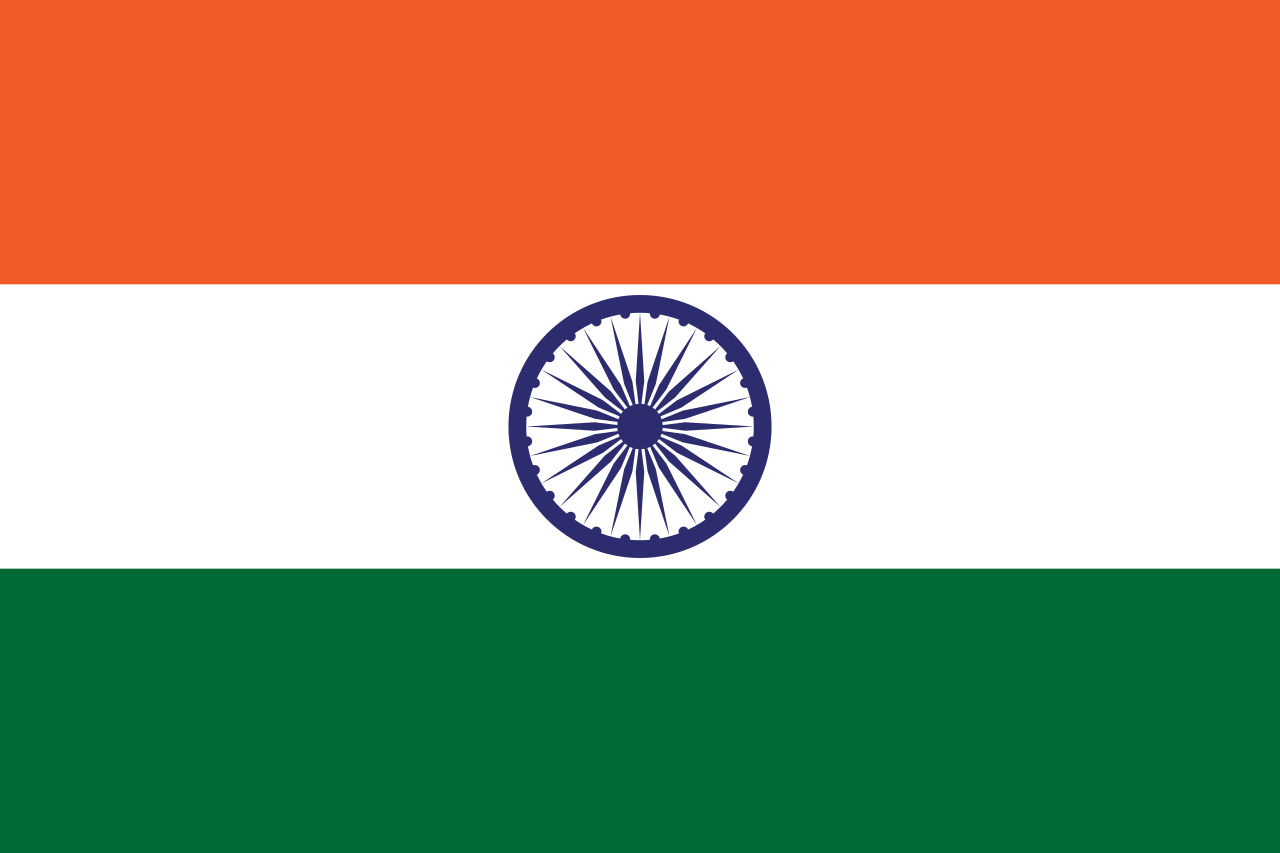
India
Opens Google Maps in new tab
Geopolitical and Environmental Mosaic
India's strategic location in South Asia, bordered by the Indian Ocean, Arabian Sea, and Bay of Bengal, profoundly influences its climate, trade, and geopolitical standing. As the seventh-largest country by area, its diverse topography ranges from the formidable Himalayas, a natural barrier and source of major rivers, to the fertile Indo-Gangetic Plain, the Deccan Plateau, and extensive coastlines.
This geographical variety supports megadiversity, with four recognized biodiversity hotspots, hosting a vast array of flora and fauna, including iconic species like tigers and elephants. However, this rich environment faces significant challenges, including rising air pollution in urban centers and the impacts of climate change, necessitating robust conservation efforts and sustainable development policies. Its extensive land borders with nations like Pakistan, China, Nepal, and Bangladesh also shape its foreign policy and regional dynamics.
A Tapestry Woven Through Millennia
The Indian subcontinent has been inhabited by modern humans for at least 55,000 years, making it one of the world's oldest continuously occupied regions. Its history is marked by the emergence of sophisticated early civilizations, most notably the Indus Valley Civilization around the third millennium BCE, which developed advanced urban planning and writing systems. The diffusion of Indo-European languages brought Sanskrit, the liturgical language of Hinduism, while indigenous Dravidian languages persisted, particularly in the south.
India is the birthplace of major world religions, including Hinduism, Buddhism, Jainism, and Sikhism, each profoundly influencing its social and philosophical landscape. Historical periods saw the rise and fall of powerful empires such as the Maurya and Gupta, eras characterized by significant advancements in science, mathematics, and the arts, though also by the entrenchment of the caste system and a decline in the status of women. Later centuries witnessed the establishment of Christianity, Islam, and Judaism, and the integration of northern India into the cosmopolitan networks of medieval Islam through the Delhi Sultanate and the Mughal Empire, which left an indelible mark on architecture and governance.
Pluralism, Identity, and Social Dynamics
India's identity is defined by its profound pluralism: it is a multi-ethnic, multilingual, and multi-religious society. Officially the Republic of India, it stands as the world's most populous democracy, a testament to its commitment to representative governance since independence in 1947. The nation grapples with the complexities of its diverse population, which speaks hundreds of languages and adheres to numerous traditions.
This rich cultural mosaic is expressed through vibrant festivals, diverse art forms, classical music and dance, and a globally influential film industry. However, India also faces significant socio-economic challenges, including persistent gender inequality, child malnutrition, and the ongoing struggle to balance rapid economic growth with equitable development. The legacy of the caste system continues to influence social dynamics, despite constitutional efforts to promote equality.
Economic Transformation and Global Integration
Since its independence, India has undergone a remarkable economic transformation. From a comparatively destitute nation in 1951, it has emerged as a major global economy and a powerhouse in information technology services. This growth has been fueled by a large, educated workforce, a burgeoning middle class, and increasing foreign investment.
While India has made significant strides in poverty reduction, it also faces challenges related to economic inequality and regional disparities. Its economy is a dynamic mix of traditional agriculture, robust manufacturing, and a rapidly expanding service sector. India is also a nuclear-weapon state with substantial military expenditure, reflecting its complex geopolitical position and regional security concerns, including ongoing territorial disputes with neighbors like Pakistan and China.
The Pillars of Learning and Governance
India's governance is structured as a federal parliamentary democratic republic, ensuring representation across its vast territory. The nation places a strong emphasis on education, with literacy rates significantly increasing over the decades, reflecting a growing commitment to human capital development. Higher education institutions, particularly in science and technology, are world-renowned, contributing to India's status as an IT hub.
Despite progress, challenges remain in ensuring equitable access to quality education for all citizens, particularly in rural and marginalized communities. The government actively engages in international forums and plays a significant role in global affairs, balancing its development goals with its responsibilities as a major world power.
Go deeper
Frequently Asked Questions
What is India known for?+
Why is India compared to a kite?+
How many languages are spoken in India?+
What famous animals live in India?+
Which religions started in India?+
Based on content from Wikipedia · Licensed under CC BY-SA 4.0