

The Baltic Sea: A Salty Surprise!
Images

Baltic Sea


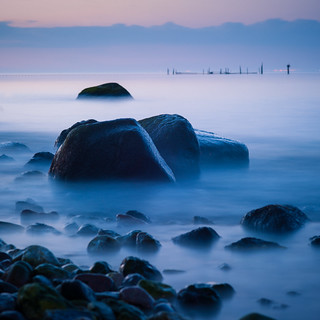


Geomorphology and Hydrology
The Baltic Sea is a classic example of a marginal shelf sea, characterized by its semi-enclosed nature and limited exchange with the open Atlantic Ocean. Its formation is intrinsically linked to glacial retreat following the last Ice Age, which carved out the basin and subsequently allowed marine incursions. This geological history has resulted in a unique hydrological regime.
The sea is fed by numerous rivers, most notably the Neva, Vistula, and Oder, which contribute substantial volumes of freshwater. This influx, coupled with the narrow and shallow Danish straits (Øresund, Great Belt, Little Belt) connecting it to the Kattegat and ultimately the North Sea, severely restricts water circulation. Consequently, the Baltic is the world's largest brackish water body, with salinity levels significantly lower than typical ocean water, ranging from near-fresh in the north to about 10-15 PSU (Practical Salinity Units) in the south.
This low salinity influences its density stratification, ice formation in winter, and the overall marine ecosystem. The sea's bathymetry is relatively shallow, with an average depth of about 55 meters, though it reaches over 450 meters in the Landsort Deep.
Ecological Dynamics
The brackish and often oxygen-depleted conditions of the Baltic Sea create a unique and challenging environment for its biota. Life here must be adapted to fluctuating salinity, low oxygen levels in deeper waters (hypoxia and anoxia), and seasonal ice cover in the northern parts. Despite these challenges, the Baltic supports a diverse range of species, many of which are at the edge of their salinity tolerance.
Common marine mammals include harbor seals, grey seals, and the harbor porpoise. Fish populations are economically significant, with species like herring, sprat, cod, and flounder being key components of the ecosystem and fisheries. However, the Baltic faces severe environmental pressures. Eutrophication, caused by excessive nutrient runoff from agriculture and wastewater, leads to algal blooms and subsequent oxygen depletion when the algae decompose.
This process creates vast 'dead zones' on the seabed, uninhabitable for most marine life. Pollution from industrial activities, shipping, and historical dumping of hazardous materials further threatens the sea's health. Conservation efforts, such as the HELCOM Baltic Sea Action Plan, aim to mitigate these issues through international cooperation.
Geopolitical Significance and Connectivity
The Baltic Sea is bordered by nine nations: Denmark, Estonia, Finland, Germany, Latvia, Lithuania, Poland, Russia, and Sweden. This strategic location has historically made it a crucial nexus for trade, conflict, and cultural exchange. The sea serves as a vital transportation corridor, facilitating international commerce through its ports and shipping lanes.
Artificial waterways, such as the White Sea–Baltic Canal and the Kiel Canal, further enhance its connectivity, linking it to other major European waterways and reducing transit times. This connectivity is not without its challenges; the increased shipping traffic raises concerns about potential oil spills and the introduction of invasive species. Geopolitically, the Baltic region has seen shifts in power dynamics throughout history, and the sea continues to be an area of strategic importance for the nations involved, influencing defense policies and regional security arrangements.
The shared environmental challenges also necessitate robust international cooperation, fostering diplomatic ties and collaborative management strategies.
Human Impact and Future Prospects
Human activities have profoundly shaped the Baltic Sea's environment and its role in the region. For centuries, the sea has been a source of food and a highway for trade, leading to the development of major port cities and fishing industries along its coasts. However, the intensity of these activities has escalated, particularly in the last century. Industrialization, intensive agriculture, and rapid urbanization have led to significant nutrient and pollutant loads entering the sea, causing widespread eutrophication and contamination. Overfishing has also impacted fish stocks, altering the marine food web.
The Baltic Sea is a prime example of an ecosystem under immense anthropogenic stress. Despite these challenges, there is a growing recognition of the need for sustainable management. International agreements and national policies are increasingly focused on reducing pollution, restoring habitats, and managing fisheries sustainably.
The future health of the Baltic Sea depends on continued collaborative efforts to balance economic development with ecological preservation, ensuring its viability for future generations.
Go deeper
Frequently Asked Questions
What makes the Baltic Sea salty but not as salty as the ocean?+
Why does the Baltic Sea have so many rivers flowing into it?+
How does the Baltic Sea stay connected to the Atlantic Ocean?+
Why do fish and seals live in the Baltic Sea when the water is not very salty?+
What problems are hurting the Baltic Sea and what is being done to help it?+
Based on content from Wikipedia · Licensed under CC BY-SA 4.0