

Atlantic Forest
Images
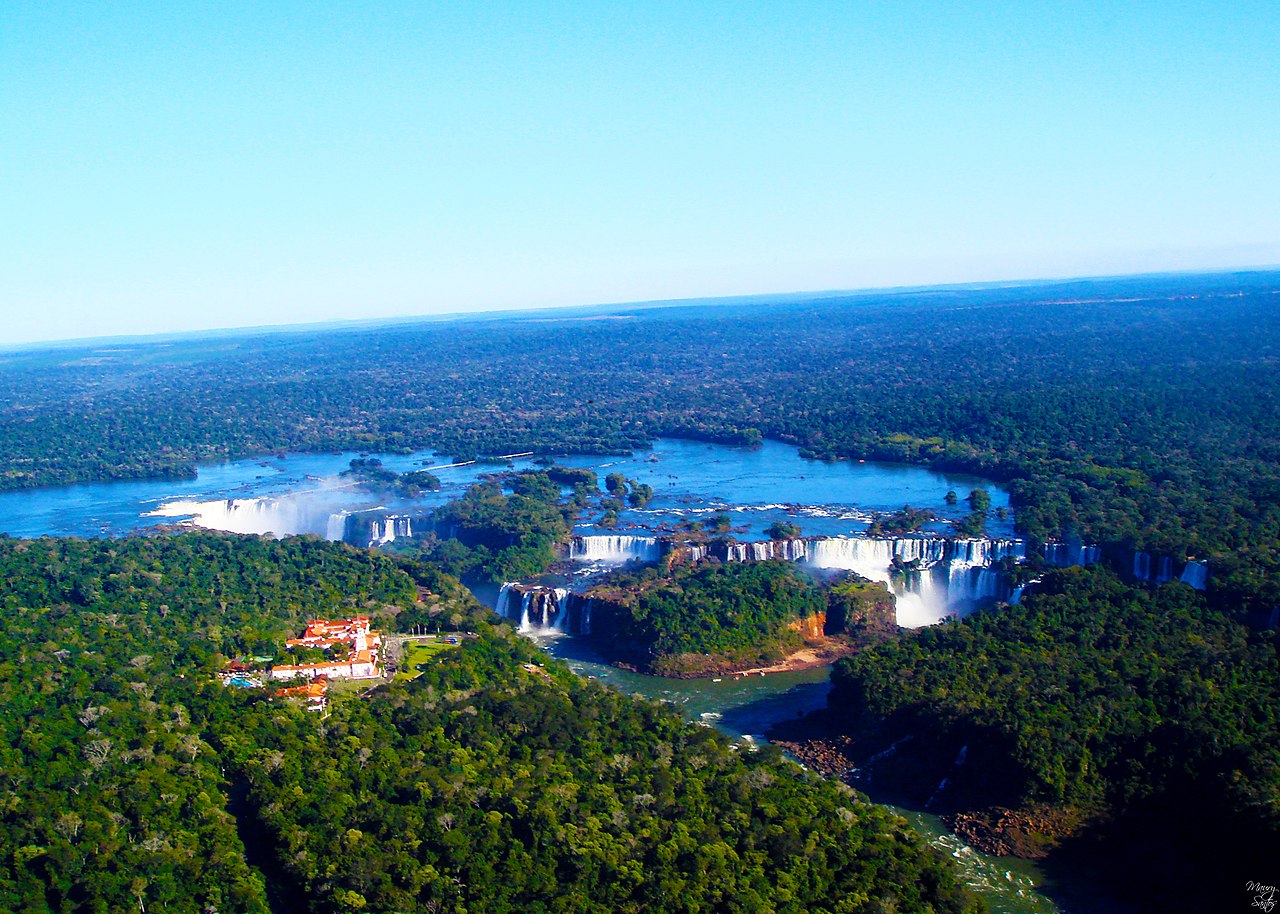
Vista ÁRea Do Parque Nacional Do IguaçU Brasil
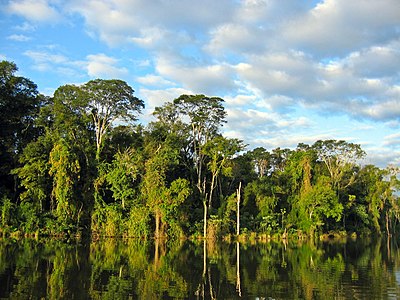


Geographical Extent and Ecoregional Diversity
The Atlantic Forest, known in Portuguese as Mata Atlântica, is a complex biome that historically extended across a vast swathe of Brazil's eastern coast, from Rio Grande do Norte in the northeast down to Rio Grande do Sul in the south. Its reach also extended inland, encompassing significant portions of Paraguay and the Misiones Province of Argentina.
This extensive geographical range supports a remarkable mosaic of ecoregions. These include seasonal moist and dry broad-leaf tropical forests, tropical and subtropical grasslands, savannas, shrublands, and vital mangrove ecosystems along the coast. This diversity of habitats, influenced by varying rainfall patterns and topography, is a primary driver of the region's exceptional biological richness.
The climate is predominantly tropical, with high humidity and significant rainfall, fostering lush vegetation.
Historical Scale and Catastrophic Deforestation
Upon the arrival of Portuguese colonists over five centuries ago, the Atlantic Forest was one of the planet's largest rainforests, second only to the Amazon. Its original estimated area ranged from 1,000,000 to 1,500,000 square kilometers, forming an immense, largely unexplored wilderness. This historical scale highlights the profound ecological transformation the region has undergone.
Today, the landscape is drastically altered, with over 85% of its original area having been deforested. This relentless habitat loss, driven by centuries of agricultural expansion, logging, urbanization, and infrastructure development, has fragmented the remaining forest into isolated patches, severely impacting ecological connectivity and species viability.
Exceptional Biodiversity and Endemism
The Atlantic Forest is globally recognized as a biodiversity hotspot, meaning it harbors an exceptionally high number of endemic species and is under significant threat. It is estimated to contain around 20,000 species of plants, of which about 8,000 are endemic. Similarly, it hosts a vast array of animal life, including numerous endemic primates, birds, amphibians, and insects.
This concentration of unique life forms makes the forest an irreplaceable natural heritage. The high degree of endemism means that many species found here exist nowhere else on Earth, making their conservation a matter of global ecological importance. The fragmentation of the forest exacerbates this issue, isolating populations and increasing their vulnerability to extinction.
Ecological Services and Conservation Imperatives
The ecological services provided by the Atlantic Forest are critical, both regionally and globally. Its forests play a vital role in climate regulation, carbon sequestration, and maintaining hydrological cycles. They help prevent soil erosion, regulate water flow into rivers that supply millions of people, and protect coastal areas.
The ongoing loss and degradation of this biome contribute to climate change, biodiversity loss, and reduced ecosystem resilience. Consequently, conservation efforts are paramount. These efforts focus on protecting remaining forest fragments, restoring degraded areas, establishing biological corridors to reconnect isolated habitats, and promoting sustainable land-use practices among local communities.
The future of countless species and the well-being of human populations depend on successful conservation strategies for this vital ecosystem.
Socio-Economic and Cultural Dimensions
Historically, the Atlantic Forest was the first major biome encountered and exploited by Portuguese colonizers, shaping early economic activities in Brazil. Its resources, including timber and later sugarcane and coffee, fueled colonial expansion. Today, the remaining forest fragments and the surrounding areas are home to diverse human populations, including indigenous communities, traditional populations, and urban dwellers.
The conservation of the Atlantic Forest is intrinsically linked to the socio-economic development of the region. Sustainable ecotourism, responsible agriculture, and the management of forest resources offer potential pathways for economic growth that are compatible with conservation goals. Furthermore, the forest holds cultural significance for many communities, representing a connection to heritage and natural identity.
Balancing human needs with ecological preservation remains a complex but essential challenge.
See also
Based on content from Wikipedia · Licensed under CC BY-SA 4.0