

Paraguay
Images
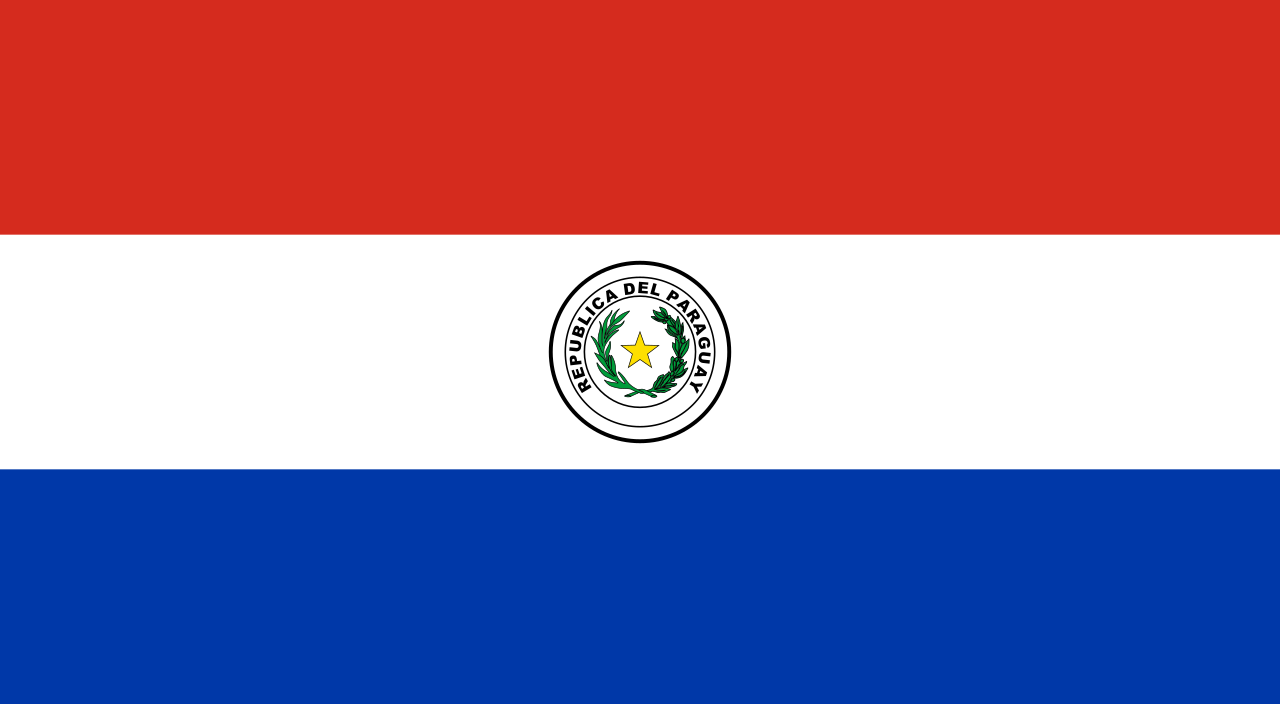
Paraguay
Opens Google Maps in new tab
Geopolitical Crossroads
Paraguay occupies a unique and often challenging geopolitical space in the heart of South America. Its landlocked status presents inherent difficulties for international trade and access to global markets. However, this isolation is mitigated by the Paraná-Paraguay Waterway, a crucial river system that connects the country to the Atlantic Ocean.
This waterway is not merely a transportation route; it's an economic lifeline, facilitating the export of key commodities like beef and soybeans. Bordering Bolivia, Brazil, and Argentina, Paraguay's strategic location has historically influenced its development and foreign relations. The country's geography is characterized by the Chaco, a vast, arid plain in the west, and the more fertile eastern region, divided by the Paraguay River.
This duality shapes its climate, biodiversity, and agricultural potential, with a subtropical climate that experiences distinct wet and dry seasons.
Echoes of the Past
The historical narrative of Paraguay is deeply intertwined with the enduring presence of the Guaraní people, who inhabited the region for millennia before the arrival of Spanish conquistadors in the 16th century. The founding of Asunción in 1537 marked the beginning of Spanish colonial influence, which later saw the significant role of Jesuit missions in the 17th century. These missions, while introducing European culture and Christianity, also created a unique syncretic society.
Following the expulsion of the Jesuits and subsequent independence from Spain in the early 19th century, Paraguay endured a period of authoritarian rule and devastating conflicts. The Paraguayan War (1864-1870) and the Chaco War (1932-1935) profoundly impacted the nation's demographics and territorial integrity, forging a strong sense of national identity forged through shared hardship and resilience. The 20th century was marked by political instability, culminating in the long dictatorship of Alfredo Stroessner, before a transition to democracy in 1989.
Linguistic Tapestry and a Culture of Contentment
Paraguay boasts an extraordinary linguistic landscape, where the Guaraní language not only survives but thrives. Over 90% of the population speaks Guaraní, often alongside Spanish, representing the highest rate of indigenous language fluency in Latin America. This linguistic duality is a cornerstone of Paraguayan identity, reflecting a deep respect for its ancestral heritage.
This cultural richness extends to its music, cuisine, and social customs. Remarkably, Paraguay has garnered international recognition for its citizens' well-being, having been dubbed the 'world's happiest place' in a global survey. This designation points to factors such as strong community bonds, a slower pace of life, and a general sense of contentment, even amidst economic development challenges.
Economic Drivers
Paraguay's economy is significantly shaped by its natural resources and strategic international partnerships. It stands as a global leader in hydroelectric power generation, primarily through the Itaipu Dam, a joint venture with Brazil. This colossal structure is one of the world's largest hydroelectric facilities, providing a substantial source of clean energy that is both consumed domestically and exported, generating significant revenue.
Agriculture remains another vital pillar of the economy, with beef and soybeans being major export commodities. The country is actively developing its manufacturing and construction sectors, aiming for diversified economic growth. As a developing nation, Paraguay ranks respectably in human development and has experienced robust economic growth in recent years, driven by these key industries and its integration into regional trade blocs like Mercosur.
Governance and Societal Structure
Paraguay operates as a unitary presidential republic, structured around a capital district and seventeen administrative departments. The transition to democracy in 1989 marked a significant turning point, moving away from decades of military rule. The government's focus is on fostering economic stability, improving infrastructure, and addressing social inequalities.
Education is a key area of development, with efforts to enhance access and quality across the nation. The majority of Paraguay's population is mestizo, reflecting the historical fusion of European and indigenous ancestries. This demographic reality underpins the nation's cultural identity and social fabric.
The country's commitment to regional cooperation is evident through its membership in organizations like the United Nations and the Organization of American States, positioning it as an active participant in the international community.
Go deeper
Frequently Asked Questions
Why can Paraguay reach the ocean even though it has no sea coast?+
What is special about the Guaraní language in Paraguay?+
How does Paraguay make and use electricity?+
What foods does Paraguay export to other countries?+
Why do people say Paraguay is a happy country?+
Based on content from Wikipedia · Licensed under CC BY-SA 4.0