

Species: What Makes Animals Unique!
Images
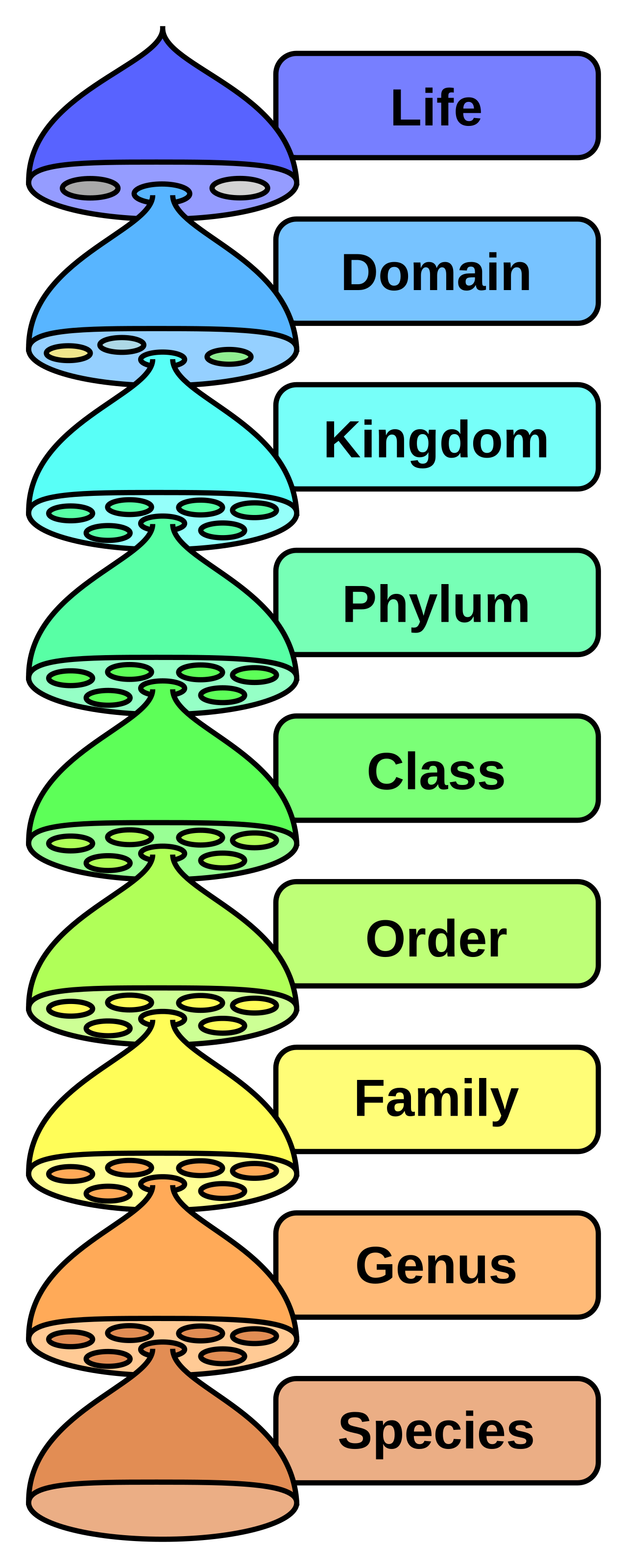
Species


Defining the Species
The concept of a 'species' is fundamental to biology, yet its precise definition remains a subject of ongoing scientific debate and refinement. The most widely taught is the Biological Species Concept (BSC), which defines a species as a group of interbreeding natural populations that are reproductively isolated from other such groups. This concept emphasizes gene flow within a species and reproductive barriers between species.
However, the BSC has limitations; it doesn't apply well to organisms that reproduce asexually (like many bacteria), to fossils, or to cases of hybridization where distinct species can produce fertile offspring. Other concepts, such as the Phylogenetic Species Concept (focusing on shared evolutionary history) and the Morphological Species Concept (based on physical characteristics), are used to address these challenges, leading to a more nuanced understanding of species boundaries in the vast tapestry of life.
Species as Drivers of Ecosystem Function and Resilience
The sheer diversity of species is not merely an aesthetic feature of our planet; it is the engine that drives ecosystem function and resilience. Each species occupies a unique ecological niche, contributing to processes like nutrient cycling, pollination, seed dispersal, and energy flow. A high species richness often correlates with greater ecosystem stability and productivity.
For example, diverse plant communities are more resistant to pests and diseases and can better withstand environmental changes like drought. The loss of species, therefore, can have cascading effects, potentially leading to ecosystem collapse and a reduction in the vital services that nature provides, such as clean air, water, and food security. Understanding species interactions is crucial for conservation efforts.
The Evolutionary Genesis of New Species
The formation of new species, known as speciation, is a cornerstone of evolutionary biology. It typically occurs when populations become reproductively isolated, preventing gene flow between them. Allopatric speciation, the most common form, happens when geographic barriers (like mountains, rivers, or oceans) divide a population, leading to independent evolution.
Over time, genetic differences accumulate due to mutation, genetic drift, and different selective pressures, eventually resulting in reproductive isolation. Sympatric speciation, though less common, occurs when new species arise within the same geographic area, often due to factors like polyploidy (changes in chromosome number) or strong disruptive selection. Studying speciation helps us understand the history of life and predict future evolutionary trajectories.
The Modern Challenge
In the face of rapid environmental change and biodiversity loss, accurately identifying and cataloging species is more critical than ever. Modern techniques, particularly DNA barcoding and genomic sequencing, are revolutionizing taxonomy, allowing scientists to identify species more rapidly and accurately, even from small samples. This information is vital for conservation.
Knowing precisely which species exist, where they live, and their population status is essential for developing effective strategies to protect endangered species and their habitats. The ongoing discovery of new species, especially in under-explored regions like the deep sea and tropical rainforests, underscores how much we still have to learn about Earth's biodiversity and the urgent need to protect it before it is lost.
Go deeper
Frequently Asked Questions
What is a species?+
How do scientists decide if two animals are the same species?+
Why are many different species important for the environment?+
How can new species form when animals live in the same place?+
What tools do scientists use to find new species?+
Based on content from Wikipedia · Licensed under CC BY-SA 4.0