

Forests: The Earth's Amazing Green Houses!
Images
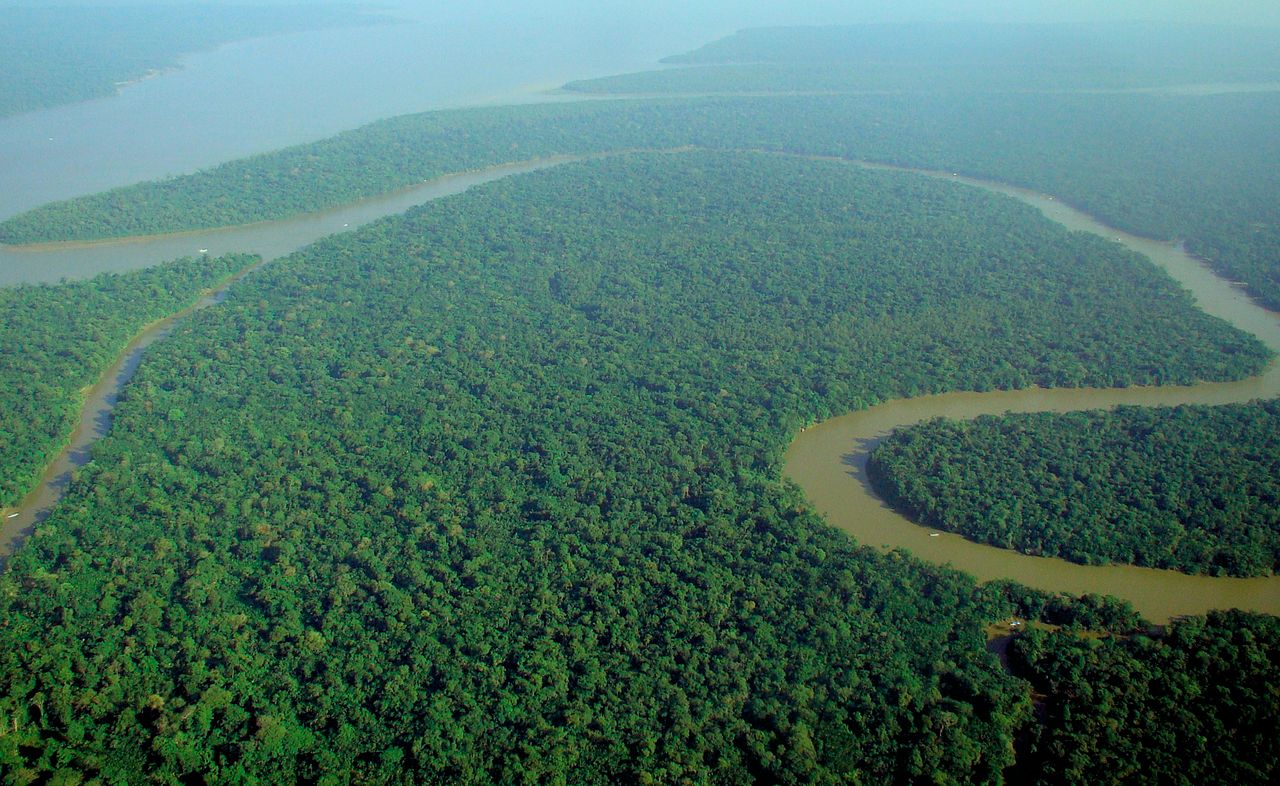
Forest
Defining and Distributing Earth's Forests
A forest is fundamentally an ecosystem characterized by a dense community of trees, though precise definitions vary globally, incorporating factors like tree density, height, land use, and ecological function. The Food and Agriculture Organization of the United Nations defines a forest as land spanning over 0.5 hectares with trees taller than 5 meters and a canopy cover exceeding 10 percent, or capable of reaching these thresholds. As of 2020, forests covered 4.06 billion hectares, representing approximately 31% of the Earth's land surface.
These are the largest terrestrial ecosystems by area, found across all continents except Antarctica. Tropical latitudes host the largest share (45%), followed by subarctic, temperate, and subtropical zones. Forests are distinct biomes, forming unique ecosystems shaped by latitude, elevation, precipitation, and evapotranspiration rates, including boreal, tropical moist, tropical dry, and temperate forests.
Drier conditions lead to transitions to savanna, with tree cover dropping below 40-45% often marking this shift.
The Ecological Engine
Forests are powerhouses of the Earth's biosphere, accounting for a remarkable 75% of its gross primary production. This means they are responsible for a huge portion of the energy captured from sunlight and converted into organic matter. They also store an immense amount of life, containing 80% of the Earth's plant biomass.
The net primary production, the rate at which plants produce new biomass, is substantial: estimated at 21.9 gigatonnes per year for tropical forests, 8.1 for temperate, and 2.6 for boreal forests. This productivity underpins complex food webs and supports the vast biodiversity found within these ecosystems. The sheer scale of biomass storage also makes forests critical carbon sinks, playing a vital role in the global carbon cycle and climate regulation.
Forests as Climate Regulators and Hydrological Modulators
Beyond their role as carbon sinks, forests actively influence regional and global climate patterns. Through processes like evapotranspiration, trees release vast amounts of water vapor into the atmosphere, contributing to cloud formation and precipitation. Research in the Amazon rainforest has demonstrated that trees can even influence the timing of seasonal rains, potentially triggering the wet season earlier than the climate would naturally allow. This intricate relationship highlights the delicate balance of forest ecosystems and their impact on hydrological cycles.
Conversely, deforestation and anthropogenic climate change pose significant threats, potentially pushing these systems past critical thresholds, leading to irreversible shifts like the transition from rainforest to savanna.
The Growing Threat of Deforestation and Fragmentation
Human activities, primarily deforestation, pose a severe threat to forest ecosystems worldwide. Driven by the demand for commodities like timber, beef, soy, and palm oil, vast areas, particularly in tropical regions, are cleared through cutting and burning. Historically, Europe has seen a dramatic reduction in forest cover from 80% to 34%.
While nearly half of the Earth's forest area remains relatively intact, 9% exists in fragmented patches with limited connectivity. Tropical rainforests and boreal coniferous forests are the least fragmented, whereas subtropical dry and temperate oceanic forests are more broken up. Large intact forest landscapes (over 1 million hectares) still exist, but a significant portion is found in millions of smaller, disconnected fragments, impacting wildlife movement and ecosystem resilience.
Human-Forest Interdependence and Conservation Imperatives
The relationship between human societies and forests is a complex, two-way street. Forests provide invaluable ecosystem services, including clean air and water, climate regulation, and resources for livelihoods. They also serve as vital spaces for recreation and tourism.
However, unsustainable human practices, such as over-exploitation of resources and habitat destruction, can severely degrade forest ecosystems. Recognizing this interdependence, conservation efforts are paramount. Sustainable forest management, reforestation initiatives, and policy interventions aimed at curbing deforestation are crucial for preserving these vital natural assets.
The health of our planet and the well-being of future generations are intrinsically linked to the fate of our world's forests.
Go deeper
Frequently Asked Questions
What is a forest?+
How many forests are on Earth?+
Why are forests important for the air we breathe?+
What happens when forests are cut down?+
Where are the biggest forests found?+
Based on content from Wikipedia · Licensed under CC BY-SA 4.0