

Biodiversity: The Amazing Variety of Life!
Images
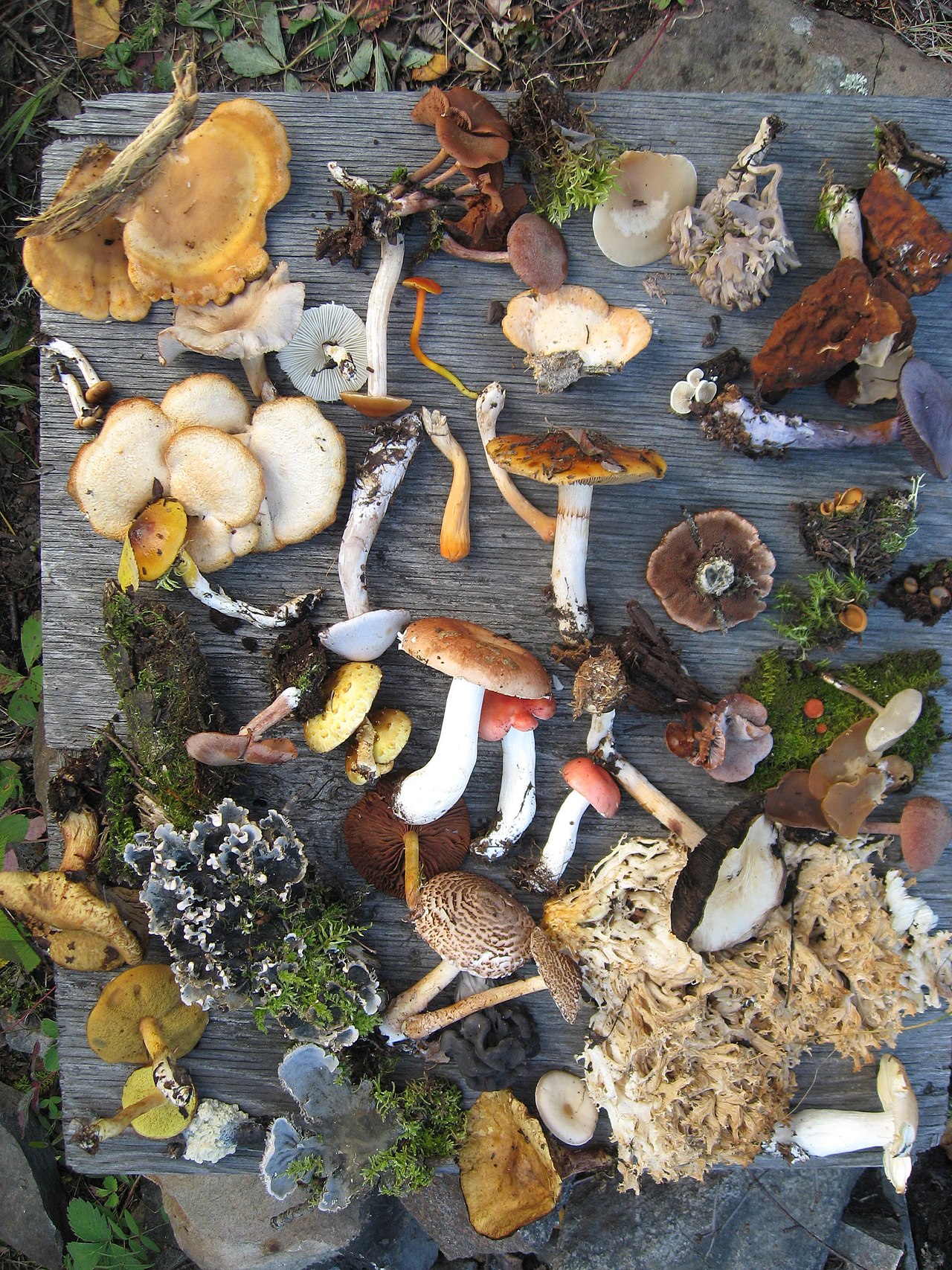
Biodiversity
Deconstructing Biodiversity
Biodiversity, a portmanteau of 'biological diversity,' is a multifaceted concept that extends far beyond a simple enumeration of species. It encompasses three hierarchical levels: genetic diversity, species diversity, and ecosystem diversity. Genetic diversity refers to the variation of genes within a species, providing the raw material for adaptation and evolution.
Species diversity quantifies the number of different species in a given area and their relative abundance, reflecting the richness and complexity of life. Ecosystem diversity describes the variety of habitats, biotic communities, and ecological processes within a region or across the planet. This intricate web of life, from the microbial communities in soil to the vast kelp forests of the ocean, forms the foundation of Earth's life-support systems.
Understanding these interconnected levels is crucial for appreciating the full scope of biodiversity.
The Evolutionary Crucible
The staggering biodiversity we observe today is the product of billions of years of evolutionary processes. Speciation, the process by which new species arise, driven by mechanisms such as natural selection, genetic drift, and geographic isolation, has continuously generated novel life forms. Major evolutionary events, like the Cambrian explosion or the diversification of mammals after the extinction of dinosaurs, have dramatically reshaped the tree of life.
Environmental factors, including climate change, continental drift, and the emergence of new ecological niches, have acted as powerful selective pressures, guiding the trajectory of evolution. This long, dynamic history has resulted in an astonishing array of adaptations, from extremophiles thriving in harsh conditions to complex symbiotic relationships.
The Indispensable Pillars
Biodiversity is not merely an aesthetic asset; it is fundamental to the functioning of ecosystems and the provision of essential ecosystem services that underpin human civilization. These services include provisioning services (food, fiber, fresh water, medicinal resources), regulating services (climate regulation, flood control, disease regulation, pollination), supporting services (nutrient cycling, soil formation, primary production), and cultural services (recreation, spiritual enrichment, aesthetic beauty).
The loss of biodiversity can compromise these services, leading to increased vulnerability to natural disasters, reduced agricultural productivity, and diminished access to vital resources. Economically, biodiversity supports industries such as agriculture, fisheries, forestry, and tourism, and is a source of novel compounds for pharmaceuticals and biotechnology.
Global Biodiversity Hotspots
Biodiversity hotspots are biogeographic regions that are both exceptionally rich in endemic species and under significant threat of destruction. These areas, covering a relatively small percentage of the Earth's land surface, harbor a disproportionately large share of global biodiversity. Examples include the Mediterranean Basin, the Tropical Andes, and the Sundaland region of Southeast Asia.
The high concentration of unique species in these areas makes them critical for global conservation efforts. However, they are also often characterized by high human population densities and intense land-use change, leading to rapid habitat loss and species extinction. Protecting these hotspots is a strategic priority for preventing mass extinctions and preserving Earth's biological heritage.
Contemporary Challenges and Future Directions in Biodiversity Conservation
The current era is marked by an unprecedented rate of biodiversity loss, largely driven by anthropogenic factors such as habitat destruction and fragmentation, overexploitation of resources, climate change, pollution, and the introduction of invasive alien species. Addressing this crisis requires a multi-pronged approach involving international cooperation, policy development, scientific research, and community engagement. Key strategies include establishing protected areas, promoting sustainable land and resource management, restoring degraded ecosystems, mitigating climate change, and combating illegal wildlife trade.
Furthermore, integrating biodiversity considerations into economic planning and fostering public awareness are essential for long-term conservation success. The future of biodiversity, and indeed human well-being, hinges on our collective ability to transition towards a more sustainable and ecologically conscious global society.
Go deeper
Frequently Asked Questions
What is biodiversity?+
Why is biodiversity important for people?+
How many levels make up biodiversity?+
Where are the most special places for biodiversity?+
What can happen if we lose biodiversity?+
Based on content from Wikipedia · Licensed under CC BY-SA 4.0