

The Amazing Alps!
Images
Alps


Geological Genesis
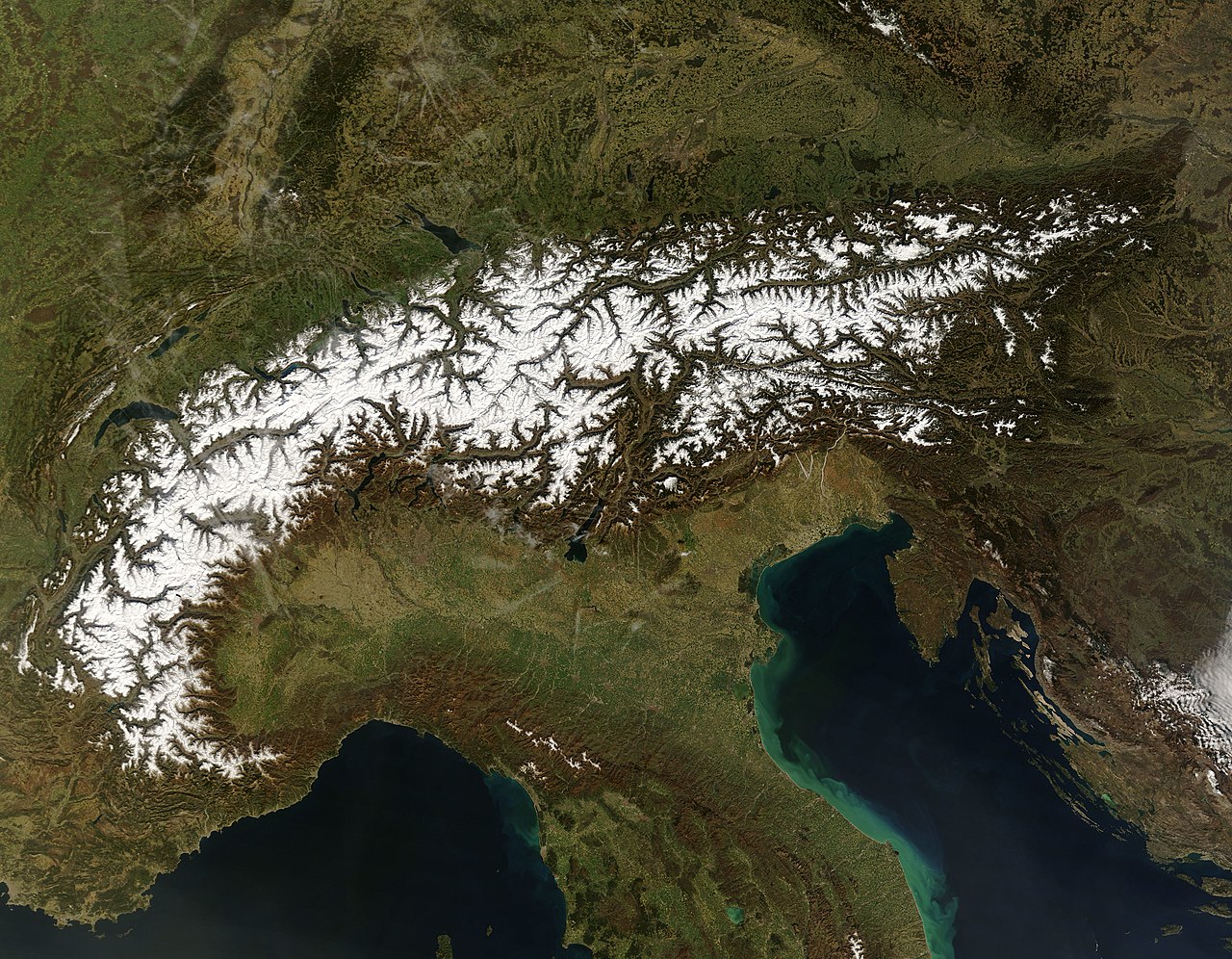
The Alps represent a spectacular example of continental collision, a dramatic geological process that unfolded over tens of millions of years. Their formation is primarily attributed to the convergence of the African and Eurasian tectonic plates. This immense compressional force resulted in significant crustal shortening, leading to the thrusting and folding of rock layers.
Marine sedimentary rocks, originally deposited on the Tethys Ocean floor, were uplifted and stacked to form the towering peaks. This complex orogeny created a vast mountain range spanning approximately 1,200 kilometers, characterized by dramatic folds, faults, and high-altitude plateaus. The iconic peaks like Mont Blanc, the highest at 4,809 meters, and the Matterhorn are direct products of this intense tectonic activity.
The presence of 82 peaks exceeding 4,000 meters underscores the scale and magnitude of this geological event, making the Alps a living laboratory for understanding mountain building processes.
Climatic Influence and Ecological Niches
The sheer altitude and extensive area of the Alps exert a profound influence on Europe's climate. They act as a significant meteorological divide, affecting atmospheric circulation patterns and precipitation distribution. The range experiences highly variable precipitation levels, with significant differences between windward and leeward slopes, creating distinct microclimates.
This altitudinal variation supports a remarkable array of ecological zones, from temperate forests in the lower reaches to alpine meadows and barren, snow-covered summits at higher elevations. Wildlife, such as the Capra ibex, has adapted to survive at elevations up to 3,400 meters, showcasing remarkable agility on steep terrain. Resilient flora, including the iconic edelweiss, thrives in rocky environments across various altitudes, demonstrating the tenacity of life in challenging alpine conditions.
These diverse habitats support a rich biodiversity, making the Alps a crucial ecological region.
A Palimpsest of Human History
Human presence in the Alps dates back to the Palaeolithic era, with archaeological evidence revealing long-term habitation. The discovery of the 5,000-year-old Ötzi mummy on an Alpine glacier provides an unparalleled glimpse into prehistoric life. By the 6th century BC, Celtic cultures like the La Tène were established, utilizing the mountain passes.
The Alps have historically served as both formidable barriers and vital transit routes. Hannibal's audacious crossing with elephants in the 3rd century BC and Napoleon's army passage in 1800 highlight their strategic importance. The 18th and 19th centuries witnessed an influx of naturalists, writers, and artists, particularly Romantics, who were captivated by the sublime landscapes. This era paved the way for the 'golden age of alpinism,' as mountaineers began systematically exploring and ascending the highest peaks, transforming the mountains into a frontier of adventure and scientific inquiry.
Cultural Resilience and Economic Dynamics
The Alpine region possesses a strong and distinct cultural identity, deeply rooted in its geography and history. Traditional practices such as pastoral farming, artisanal cheesemaking, and woodworking continue to thrive in many Alpine villages, preserving a heritage shaped by centuries of adaptation to the mountain environment. While these traditional economies persist, the tourism industry has become the dominant economic force, particularly following World War II. Drawing approximately 120 million visitors annually, the Alps are a global hub for winter sports, summer hiking, and scenic tourism.
The region has successfully hosted multiple Winter Olympic Games, further cementing its international reputation. This economic transformation presents ongoing challenges in balancing development with environmental conservation and maintaining cultural authenticity amidst increasing global connectivity.
Governance and Contemporary Challenges
Governing a trans-national mountain range like the Alps involves complex cooperation among eight sovereign nations: Monaco, France, Switzerland, Italy, Liechtenstein, Germany, Austria, and Slovenia. Each country manages its portion of the Alps according to its own laws and policies, but international agreements and organizations, such as the Alpine Convention, facilitate collaboration on issues like environmental protection, sustainable development, and trans-border infrastructure.
The region's population of 14 million people benefits from diverse governance structures, ranging from federal republics to principalities. Contemporary challenges include managing the impacts of climate change on glaciers and ecosystems, ensuring sustainable tourism practices, preserving cultural heritage, and addressing the economic disparities between highly developed tourist centers and more remote, traditional communities. The future of the Alps depends on continued international cooperation and innovative solutions to these multifaceted issues.
Go deeper
Frequently Asked Questions
What made the Alps rise up from the ground?+
Why are there so many different plants and animals in the Alps?+
How many very tall peaks are in the Alps?+
Who was found in the Alps that shows people lived there a long time ago?+
Why do the Alps affect the weather in Europe?+
Based on content from Wikipedia · Licensed under CC BY-SA 4.0