

Liechtenstein: The Tiny Alpine Kingdom!
Images
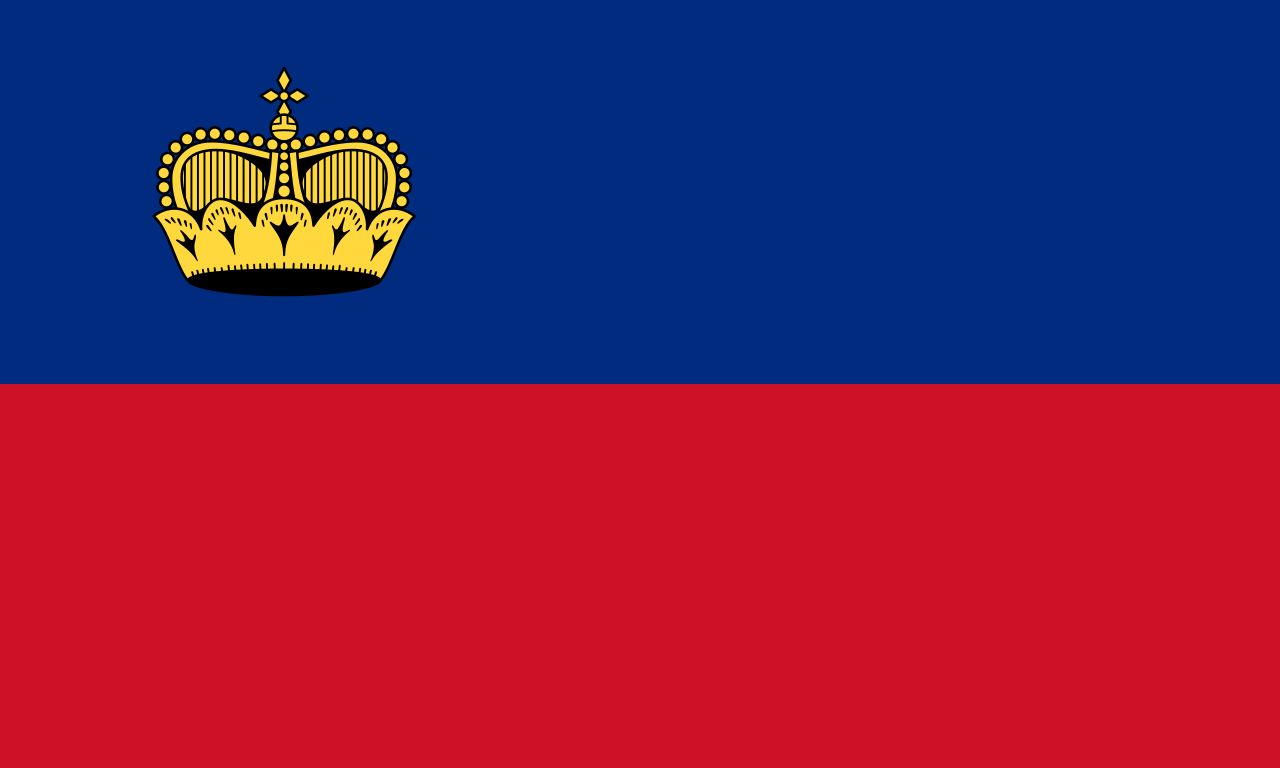
Liechtenstein
Geopolitical Niche
Liechtenstein occupies a unique and strategic position within the Central European Alps, nestled between Austria and Switzerland. Its status as a doubly landlocked country is a rare geopolitical distinction, shared by only a handful of nations worldwide. This means that to reach the sea, one must cross at least two other countries.
This geographical isolation has historically influenced its development and international relations. The mountainous terrain defines its landscape, offering breathtaking vistas and significant potential for winter tourism, while the Rhine River forms a natural western border. The climate is temperate alpine, characterized by distinct seasons that support both agricultural activities in the valleys and extensive winter sports in the higher elevations.
Its small size, just over 160 square kilometers, means that its infrastructure and services must be highly efficient and well-managed to serve its population and economy.
Evolution of Governance
The political structure of Liechtenstein is a fascinating blend of monarchy and democracy. Officially the Principality of Liechtenstein, it is a semi-constitutional monarchy headed by Prince Hans-Adam II. The country’s governance evolved from historical noble landholdings that were consolidated over centuries.
A pivotal moment in its modern political history was the 2003 constitutional referendum. The Prince, leveraging his significant influence and even threatening to relocate the royal family and their assets, successfully advocated for expanded powers. This referendum granted the monarch the authority to dismiss the government, nominate judges, and veto legislation, significantly strengthening the princely role within a democratic framework.
This unique system allows Liechtenstein to maintain a strong national identity and pursue its strategic interests effectively on the international stage, while still participating in global governance structures.
Economic Powerhouse
Despite its diminutive size, Liechtenstein boasts one of the highest gross domestic products per capita globally, a testament to its sophisticated economy. The nation has strategically cultivated a robust financial sector, centered in its capital, Vaduz. Historically, it gained notoriety as a tax haven, attracting significant foreign capital due to its favorable tax laws.
However, in response to international pressure and a desire for greater transparency, Liechtenstein has undertaken substantial reforms to shed this image, aligning its financial regulations with global standards. It maintains a deep economic partnership with Switzerland, including a customs and monetary union, utilizing the Swiss franc as its official currency. While not a member of the European Union, Liechtenstein actively participates in the European Economic Area and the Schengen Area, facilitating trade and travel with EU member states and ensuring its integration into the broader European economic landscape.
Culture and Society
Liechtenstein’s society is characterized by its small population of just over 41,000 people, fostering a strong sense of community and shared identity. The official language is German, and the predominant religion is Roman Catholicism, reflecting its historical and cultural ties to neighboring regions. The country is divided into 11 municipalities, each contributing to the nation's unique character.
While the Prince holds significant governmental power, Liechtenstein is also a member of international organizations such as the United Nations, the European Free Trade Association, and the Council of Europe, demonstrating its commitment to global cooperation and diplomacy. This dual approach allows Liechtenstein to preserve its distinct sovereignty while engaging constructively with the international community. The emphasis on financial services, combined with its stunning alpine environment, creates a distinctive lifestyle for its residents.
Education and Future Prospects
Liechtenstein places a strong emphasis on education, ensuring its citizens are well-equipped for the demands of its specialized economy. The education system is highly regarded, with a focus on providing quality schooling from primary to tertiary levels. While specific details on higher education institutions within Liechtenstein are limited due to its size, the country actively encourages its citizens to pursue advanced studies, often through partnerships or exchange programs with neighboring countries like Switzerland and Austria, which have world-class universities.
This strategy ensures a highly skilled workforce, particularly in fields crucial to Liechtenstein's economic success, such as finance, law, and international business. The government invests in educational initiatives that support innovation and adaptability, preparing the next generation to maintain and enhance the nation's unique position in the global arena. This forward-thinking approach to education is vital for a small nation reliant on specialized expertise.
Go deeper
Frequently Asked Questions
What is Liechtenstein and where is it located?+
How does Liechtenstein's government work?+
Why is Liechtenstein known for its money services?+
What makes Liechtenstein's geography special?+
How does Liechtenstein connect with other countries?+
Based on content from Wikipedia · Licensed under CC BY-SA 4.0