

Napoleon
Images
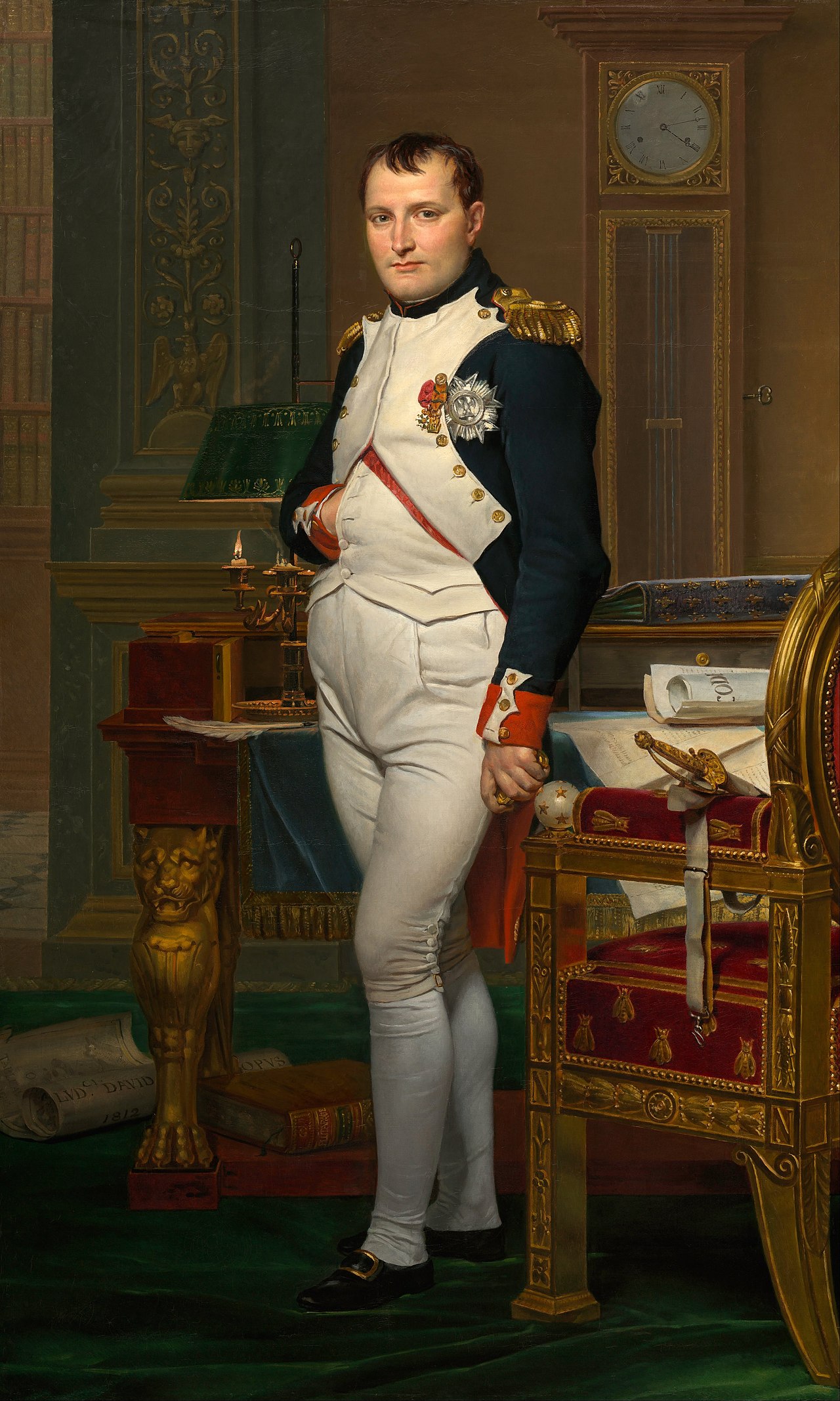
Napoleon
The Ascent
Born Napoleone di Buonaparte in Corsica in 1769, Napoleon's early life was marked by ambition and a keen intellect. Moving to mainland France, he entered military service and rapidly ascended the ranks during the tumultuous French Revolution. His decisive victories, such as the Siege of Toulon in 1793 and campaigns in Italy, cemented his reputation as a brilliant military commander.
Leveraging his popularity and strategic acumen, Napoleon orchestrated the Coup of 18 Brumaire in 1799, overthrowing the Directory and establishing himself as First Consul. This marked his transition from a military hero to a dominant political figure, setting the stage for his imperial ambitions and the subsequent reshaping of France and Europe.
The Emperor's Reign
In 1804, Napoleon crowned himself Emperor of the French, ushering in an era of imperial expansion. The Napoleonic Wars saw France, under Napoleon's leadership, clash with various European coalitions. His Grande Armée achieved stunning victories at battles like Austerlitz and Jena, dismantling old empires like the Holy Roman Empire and extending French dominance across the continent.
Beyond military might, Napoleon enacted sweeping reforms. The Napoleonic Code, a unified legal system, promoted equality before the law and influenced civil law globally. He modernized administration, established public education, and championed meritocracy, laying foundations for modern French institutions.
However, his reign was also characterized by constant warfare, territorial looting, and the suppression of dissent.
The Seeds of Downfall
Despite his unparalleled successes, Napoleon's ambition ultimately led to his downfall. The disastrous invasion of Russia in 1812, where his Grand Army was decimated by the harsh winter and Russian tactics, proved a critical turning point. This weakened his military strength and emboldened his enemies.
The subsequent formation of the Seventh Coalition, comprising major European powers, led to his decisive defeat at the Battle of Leipzig in 1813. Facing overwhelming opposition, Napoleon was forced to abdicate in 1814 and was exiled to the island of Elba. His brief return to power during the Hundred Days demonstrated his enduring charisma and influence, but his final defeat at Waterloo in 1815 sealed his fate.
The Enduring and Controversial Legacy
Napoleon's impact on history is profound and multifaceted. He is remembered as one of history's greatest military strategists, with his tactics still studied today. His legal and administrative reforms, particularly the Napoleonic Code, created lasting structures in France and influenced legal systems worldwide.
He acted as a catalyst for nationalism and the development of modern nation-states across Europe. However, his legacy is also deeply controversial. His wars devastated Europe, causing immense loss of life.
His rule involved authoritarian measures, including the abolition of free press, suppression of opposition, and the reintroduction of slavery in French colonies. He represents a complex figure whose genius and ambition brought both progress and immense suffering.
Go deeper
Frequently Asked Questions
What was Napoleon's early life like?+
How did Napoleon become a leader?+
What is the Napoleonic Code?+
Why did Napoleon lose his wars?+
What is Napoleon remembered for?+
Based on content from Wikipedia · Licensed under CC BY-SA 4.0