

Wild Animals and Plants!
Images

Wildlife and Human Health Interactions


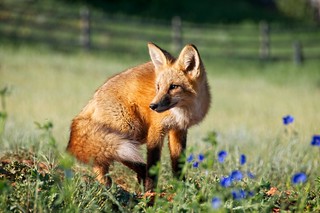

Defining the Scope of Wildlife
Wildlife, in its broadest scientific sense, encompasses all organisms that exist and thrive in their natural environments without direct human cultivation or domestication. This definition extends beyond the popular perception of charismatic megafauna to include all flora and fauna, from microscopic organisms to vast plant communities. The term 'wild' signifies an absence of human control, allowing natural selection and ecological processes to dictate survival and evolution.
While historically synonymous with game animals hunted for sport, modern understanding recognizes wildlife as integral components of all ecosystems, including those profoundly shaped by human presence, such as urban environments where species exhibit remarkable adaptability to anthropogenic landscapes.
Ecological Niches and Interconnectedness of Wild Systems
Wildlife is distributed across every conceivable ecosystem, from the deepest oceanic trenches to the highest mountain peaks, and even within the most developed urban areas. Each species occupies a specific ecological niche, contributing to the intricate balance of its environment. For instance, apex predators regulate prey populations, herbivores influence plant distribution, and decomposers recycle nutrients, forming complex food webs and biogeochemical cycles.
The presence and health of wildlife are critical indicators of ecosystem integrity. Even in urban settings, wildlife like feral cats, dogs, rodents, and various bird species demonstrate how life persists and adapts, often creating novel ecological interactions with human-dominated environments.
The Multifaceted Value and Exploitation of Wildlife
The value of wildlife to humanity is extensive and varied. Ecologically, it underpins essential ecosystem services such as pollination, pest control, water purification, and climate regulation. Economically, wildlife supports industries like ecotourism, pharmaceuticals (through bio-prospecting), and sustainable resource harvesting, with international trade potentially worth billions annually.
Educationally, wildlife provides invaluable opportunities for scientific research, understanding evolution, and fostering environmental stewardship. Sentimentally, it enriches human lives, offering aesthetic beauty, recreational opportunities, and a profound connection to the natural world. However, this value is often juxtaposed with exploitation, as wildlife is frequently harvested for food, traditional medicine, the pet trade, and entertainment, leading to significant conservation challenges.
Human Footprint
The most critical contemporary aspect of wildlife is its precipitous decline. Global wildlife populations have experienced a staggering 68% reduction since 1970, a trend attributed overwhelmingly to human activities. Primary drivers include habitat destruction and fragmentation driven by agricultural expansion and urbanization, overexploitation of species for commercial purposes, pollution of air, water, and soil, and the pervasive impacts of climate change.
This unprecedented rate of biodiversity loss has led many scientists to conclude that Earth is currently experiencing the sixth mass extinction event, fundamentally altering the planet's biological heritage and threatening the stability of ecosystems upon which human civilization depends. This crisis underscores the urgent need for global conservation strategies and sustainable practices.
Go deeper
Based on content from Wikipedia · Licensed under CC BY-SA 4.0