

Tricolour Flags: Stripes of Awesome!
Images
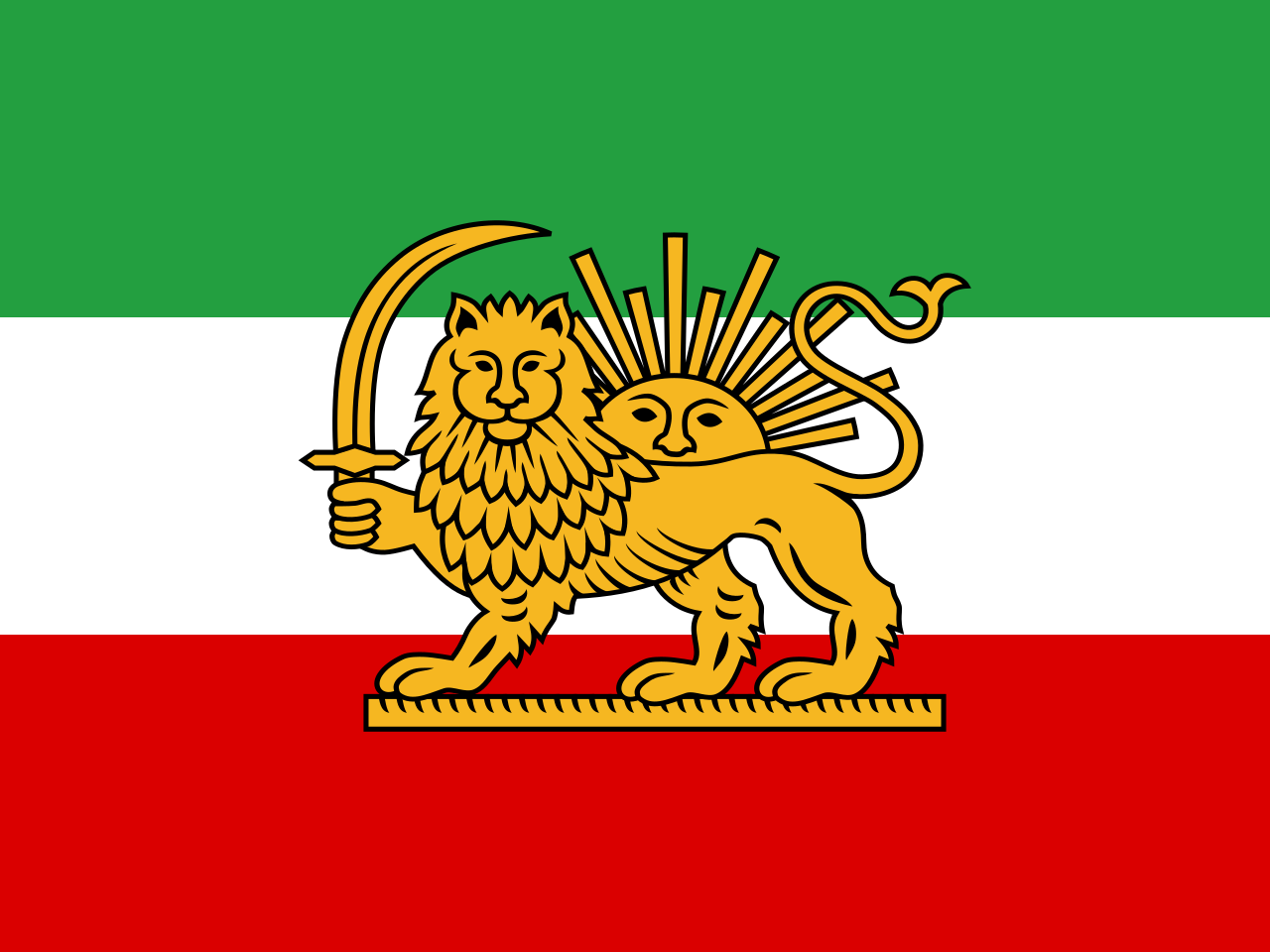
Tricolour Flag of Iran (1886)


The Genesis and Spread of the Tricolour Motif
The tricolour, a flag characterized by three distinct bands of color, has become one of the most prevalent and recognizable flag designs globally. Its ascendance in popularity is deeply intertwined with the rise of modern nation-states and revolutionary movements, particularly from the late 18th century onwards. The French tricolour, with its blue, white, and red, is perhaps the most influential example, emerging from the crucible of the French Revolution.
It was not merely an aesthetic choice but a deliberate political statement, symbolizing the union of the monarchy (white) with the people of Paris (blue and red), ultimately representing liberty, equality, and fraternity. This revolutionary symbolism resonated powerfully, inspiring subsequent national movements across Europe and the Americas. The simplicity and clarity of the three-band design made it an easily reproducible and adaptable emblem for nascent nations seeking to forge a distinct identity separate from colonial or monarchical rule.
The adoption of tricolours often marked a definitive break with the past and a commitment to new political ideologies.
Historical Trajectories and Ideological Underpinnings
The historical trajectory of the tricolour flag is a fascinating study in how symbols evolve and adapt to changing political landscapes. While the French Revolution provided a powerful early model, the tricolour motif has been employed by a vast array of nations with diverse political systems and historical contexts. For instance, the Dutch tricolour (red, white, blue), predating the French Revolution, has roots in the Eighty Years' War and the Dutch Revolt against Spanish rule, symbolizing the Prince of Orange, the common people, and the sea.
In the 19th century, as nationalist sentiments swept across Europe, many newly formed or unified states adopted tricolour designs. Italy's green, white, and red, inspired by the French tricolour, became a symbol of unification. Similarly, Germany's black, red, and gold tricolour has a long history associated with liberal and democratic movements. The interpretation of the colors themselves is crucial; they can represent geographical features, historical events, religious beliefs, or abstract ideals like peace, courage, and prosperity, as seen in India's saffron, white, and green tricolour.
The Enduring Power of Tricolour Symbolism
The enduring appeal of the tricolour lies in its inherent versatility and its capacity to convey complex national narratives through a simple visual format. For citizens, the tricolour flag serves as a potent emblem of collective identity, fostering a sense of belonging, shared history, and national pride. It functions as a unifying force, transcending regional, ethnic, or social divisions.
On the international stage, the tricolour flag is a primary identifier of a sovereign state, representing its presence and standing in global affairs. It is flown at the United Nations, during diplomatic exchanges, and at international sporting events, acting as a visual ambassador for the nation. The emotional resonance of a national flag, including tricolours, can be profound, evoking feelings of patriotism, remembrance, and solidarity, particularly during times of national celebration or crisis.
Its widespread adoption underscores its effectiveness as a universally understood symbol of nationhood.
Variations and Modern Relevance
While the basic structure of three bands is consistent, the variations in color combinations, band orientation (horizontal or vertical), and the addition of emblems or symbols within the bands are virtually limitless, creating a rich tapestry of national flags. Countries like Belgium, with its black, yellow, and red vertical tricolour, or Romania and Chad, whose nearly identical blue, yellow, and red vertical tricolours highlight the complexities of national symbolism and potential for confusion, demonstrate this diversity.
The modern relevance of tricolour flags extends beyond mere national representation; they are often incorporated into broader cultural expressions, art, and design. Understanding the history and symbolism behind these flags provides crucial insights into the historical development, cultural values, and political aspirations of nations worldwide. They remain powerful, dynamic symbols that continue to shape and reflect national identities in the 21st century.
See also
Frequently Asked Questions
What is a tricolour flag?+
Why did the French tricolour become famous?+
How do tricolour flags help people feel proud?+
Which countries use tricolour flags and what do the colors mean?+
Where do tricolour flags appear around the world?+
Based on content from Wikipedia · Licensed under CC BY-SA 4.0